 My Account
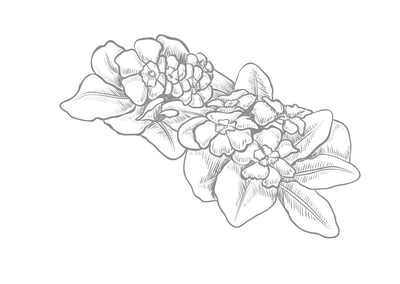


Description
Species Information
Sweet Purple Violet (Viola odorata) is a low-growing perennial wildflower famous for its delicate flowers and distinctive sweet scent. Other common names include Sweet Violet, Wood Violet, or English Violet
It typically grows to around 5-15 cm tall, forming spreading clumps of rounded, heart-shaped leaves. From late winter into spring, it produces small, dark violet flowers that bring early colour to shaded areas.
Sweet Violets have a long history of use in perfumery and cosmetics, especially during the Victorian period. Their sweet scent has made them popular in cosmetic fragrances and perfumes. The flowers and leaves are also edible and can be used in salads, desserts, and drinks.
How to Identify
Sweet Purple Violet forms a low-growing carpet of green foliage, with a basal rosette of rounded, heart-shaped leaves. It usually reaches around 5-15 cm tall and can spread to approximately 20-30 cm wide.
Its small, five-petalled flowers are usually dark violet, although pink flowers can also occur. They appear on slender flower stalks from February to May and produce the sweet scent that makes this species so well known.
How to Grow
Sweet Purple Violet grows best in partial shade or dappled sunlight. It’s well-suited to woodland gardens, shaded borders, and areas beneath trees and shrubs.
Choose moist, well-drained soil rich in organic matter. Although it prefers some shade, it can tolerate sunnier positions if the soil remains consistently moist.
Once established, Sweet Violet spreads gradually through ground shoots to form attractive ground cover. It’s a hardy, low-maintenance perennial that returns each year and can naturalise in suitable conditions.