
Description
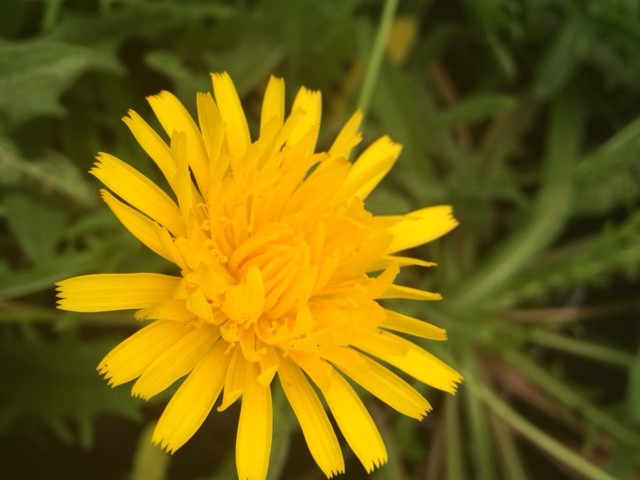
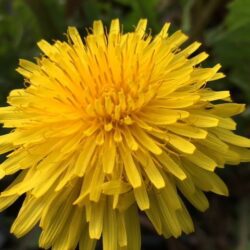
Autumn Hawkbit (Scorzoneroides autumnalis) is a cheerful native wildflower with many familiar common names, including Lion’s Tooth and Yellow Dandelion. Formerly known as Leontodon autumnalis, it is easily recognised by its bright yellow, dandelion-like blooms and slender, grass-like leaves.
This hardy perennial is a common sight across Britain, particularly in Leicestershire, where it can be found growing in wildflower meadows, roadside verges, and other open grassy places. Its long flowering season, from June through to October, makes Autumn Hawkbit an important late-season nectar source for bees and other pollinating insects.
How to Identify
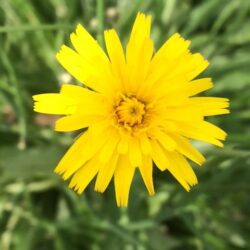
Autumn Hawkbit produces sunny yellow flower heads that closely resemble small dandelions, typically measuring 20–35mm in diameter. The flowers are carried on slender, often branched stems, rising above a low rosette of narrow, slightly toothed leaves.
After flowering, fluffy seed heads develop, allowing the plant to spread naturally on the wind, much like its dandelion relatives.
How to Grow
Autumn Hawkbit is an easy and adaptable plant that thrives in full sun or partial shade. It grows best in poor, free-draining soils, including chalk and limestone, but is tolerant of a wide range of conditions from dry to moderately moist ground.
Naturally suited to meadows and informal planting schemes, it is ideal for wildflower lawns, grassy banks, and wildlife-friendly gardens. Once established, it requires little maintenance and will happily naturalise, bringing colour and life to open spaces year after year.