
Home | Shop | Wildflowers | Wildflower Bulbs | English Bluebells

English Bluebells

Bulbs - Autumn Planting, Bulbs - Spring Planting, Seed Packet, Seeds (per gram), Wildflower Plugs

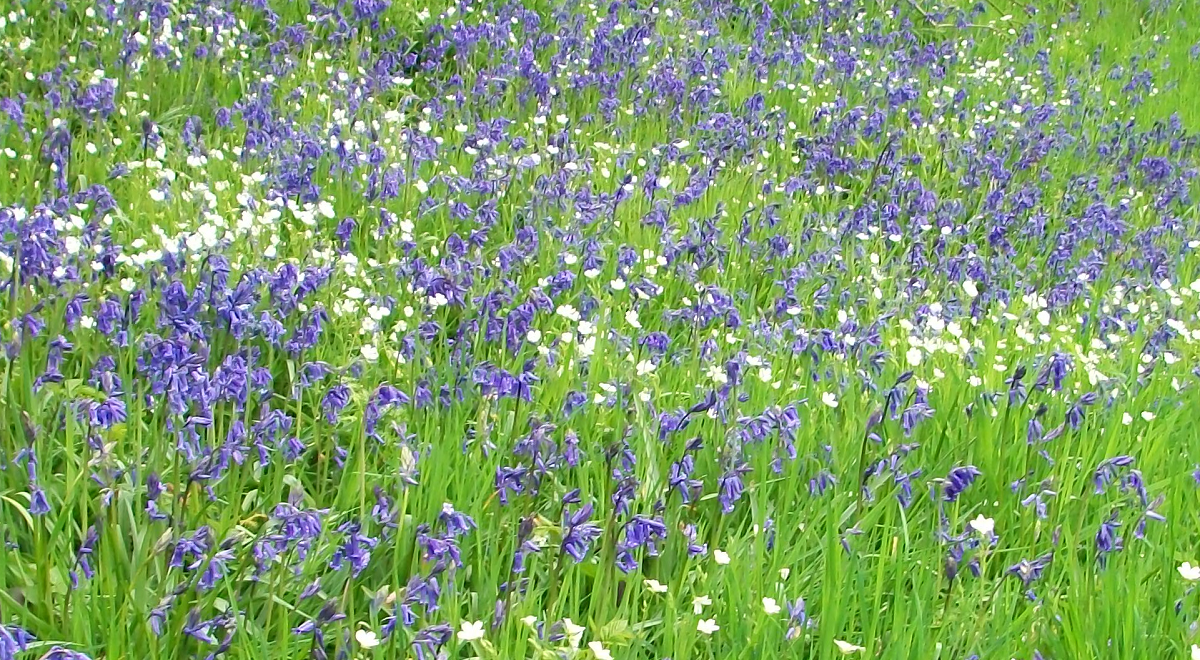
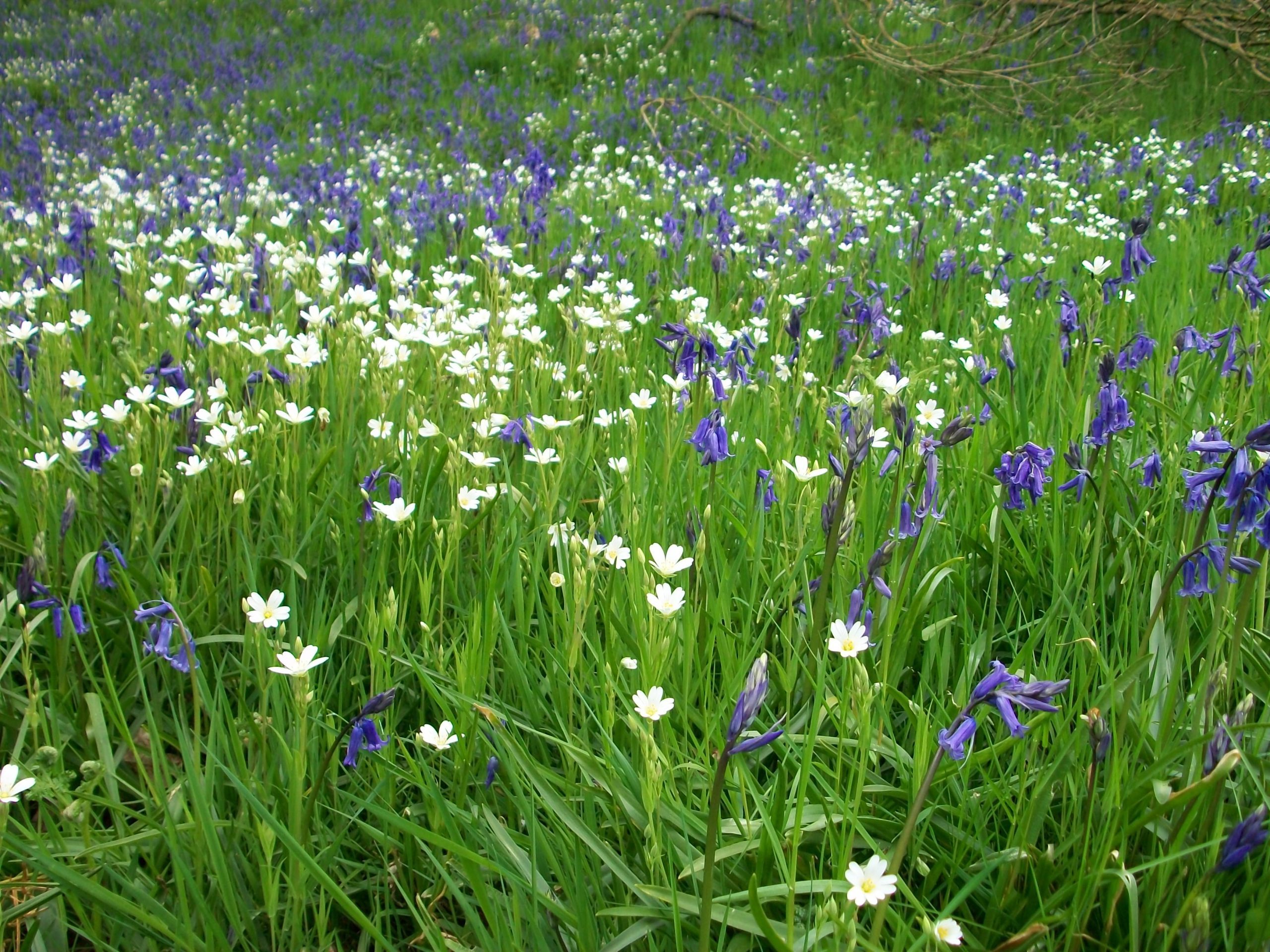
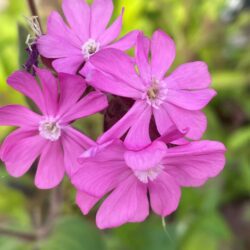
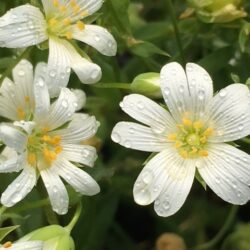
Hyacinthoides non-scripta A favourite spring flower. Fragrant blue-violet flowers, good in woodland in association with Red Campion and Greater Stitchwort.

Step 1: Select Product Option
Step 2: Enter Quantity
Total: £ 0.00 inc. VAT

Latin Name: Hyacinthoides non-scripta

Common Name(s): English Bluebells

Plant Type: Perennial

Friendly For: Bees, RHS Plants For Pollinators

Habitat: All Soils, Part Shade

Colour:

Blue

Height:

30-40cm

Flowering Time:

April - June

SKU: NS-MAIN-22521 Categories: ,

Description

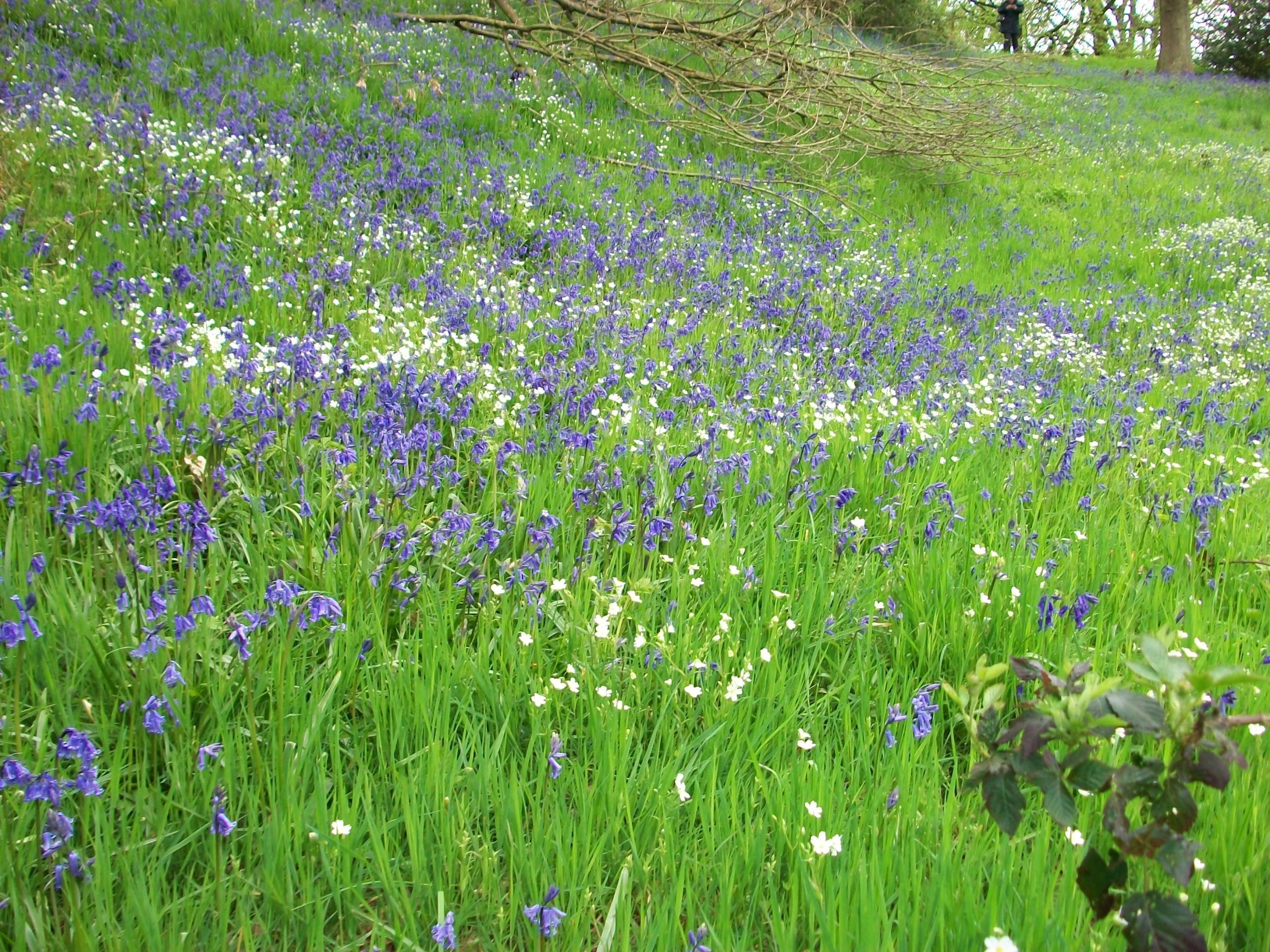
English bluebells (Hyacinthoides non-scripta) are one of the UK’s most treasured native wildflowers and a true symbol of spring. Also known as the British bluebell, native bluebell, and wood hyacinth, they are famous for creating breathtaking carpets of blue across ancient woodland and forest floors. Flowering from April to June, they create stunning carpets of colour that are strongly associated with springtime woodlands.

These herbaceous perennials are perfectly adapted to life beneath trees and are often used as an indicator species of ancient woodland. Bluebells thrive in shady, undisturbed places and are commonly found in woods, hedgerows, and woodland edges, where they grow naturally through layers of leaf litter.

The delicate blooms provide an early source of nectar for bees and other pollinating insects, making English bluebells an important plant for wildlife and woodland ecosystems.

How to Identify

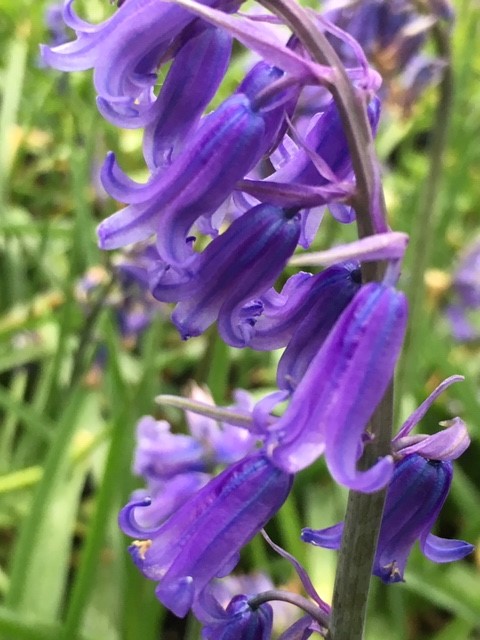
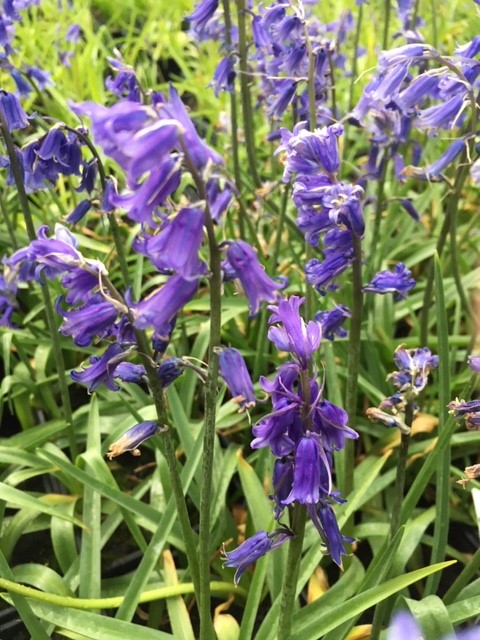
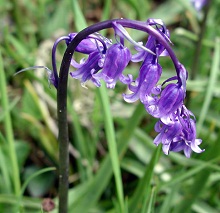
English bluebells are easily recognised by their graceful, arching flower stems and deep violet-blue, drooping bells.

True native bluebells have narrow leaves and strongly scented flowers with recurved petal tips. The blooms are arranged along one side of the stem and have creamy white pollen, helping to distinguish them from the larger, more upright Spanish bluebell (Hyacinthoides hispanica).

Plants typically grow to around 25–30cm tall and form clumps that gradually spread over time.

How to Grow

English bluebells grow best in partial shade and prefer slightly acidic, humus-rich soil that is moist and well-drained. They are ideal for planting beneath trees, along woodland edges, or in naturalised garden areas.

Bluebell bulbs should be planted in autumn, around 10cm deep and 10cm apart. For a natural look, plant bulbs in drifts or scatter them and plant where they land.

Once established, bluebell bulbs require little care and will return reliably year after year. They combine beautifully with other spring favourites such as Wood Anemones, Greater Stitchwort, and Red Campion.

Easy to grow and full of charm, English bluebells are a perfect choice for creating an authentic woodland feel in any garden. For more information regarding planting your english bluebells bulbs, view our planting instructions here.

Additional information

Option

, , , ,

Flowering Time

April, May, June

Colour

Habitat

,

Country of Origin

GB

Plant Type

Friendly For

,

You may also like…