
Description
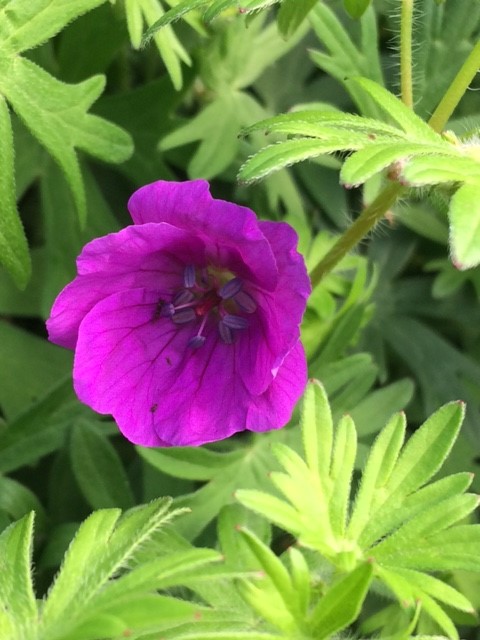
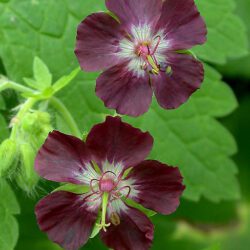
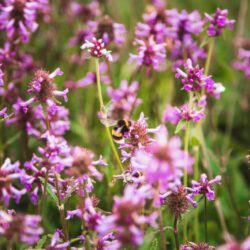
Bloody Cranesbill (Geranium sanguineum), also known as bloody geranium, is a hardy and colourful native wildflower. It is well known for its striking magenta-pink flowers, which appear from June to August and gently soften in colour as they fade.
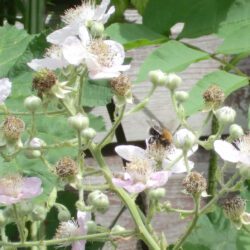
This low-growing, clump-forming perennial is naturally found in grasslands, seaside dunes, and limestone areas, where it thrives in well-drained soils. It is a versatile plant, suitable for rock gardens, borders, and wildlife-friendly planting schemes. The nectar-rich blooms are highly attractive to pollinating insects, particularly bumblebees, making it a valuable addition to nature-focused gardens.
How to Identify
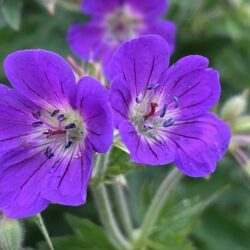
Bloody Cranesbill is easily recognised by its bright magenta, cup-shaped flowers, which sit on slender, bristly stalks above neat mounds of green, deeply divided foliage.
It has a compact, spreading habit and typically grows to around 25cm in height. After flowering, the plant forms distinctive pointed seed pods, which resemble a crane’s bill and give the plant its common name.
How to Grow
Bloody Cranesbill grows best in full sun or partial shade and prefers well-drained soil. It tolerates a wide range of soil types, including chalky and sandy ground, provided conditions are not waterlogged.
The best planting time is spring or early autumn, when the soil is warm and moist, allowing plants to establish strong roots before extreme weather. Once established, it is a tough, reliable, and drought-tolerant perennial that requires very little maintenance.
Its low, spreading growth makes it ideal for use as ground cover in sunny, dry positions, and it works equally well in formal borders or more naturalistic garden settings.