 My Account
 Basket



Description
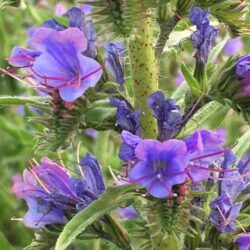
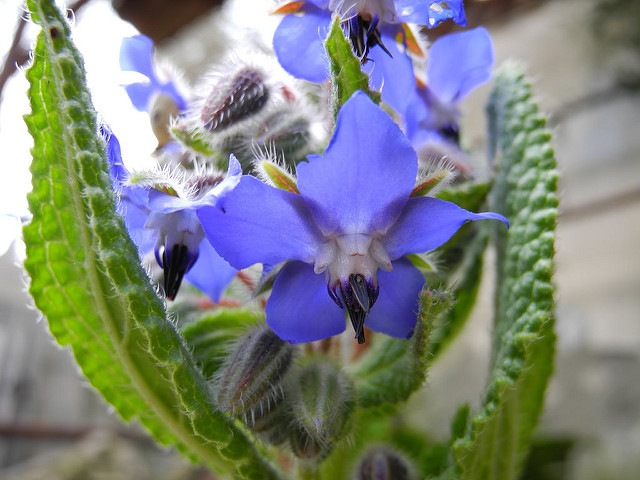
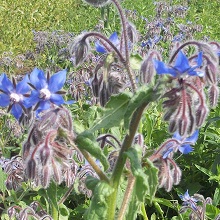
Also known as a starflower or common borage, borago officinalis is an annual plant with edible green leaves and blue or purple flowers. The plant is grown in gardens for that purpose in some parts of Europe. However, traditionally borage was cultivated for culinary and medicinal uses. Borage is used as either a fresh vegetable or a dried herb with hairy stems. Borage plants, with a cucumber-like taste, are often used in salads or as a garnish. The edible borage flower has a sweet honey-like taste and is often used to decorate desserts, summer drinks, and cocktail.
The plant is also commercially cultivated for borage seed oil(borage oil) extracted from its seeds which is a great hydrating ingredient that protects the skin barrier and rich in omega-6 fatty acids. An excellent companion plant in herb gardens, garden beds, or wildlife gardens. When planted near tomatoes, cabbage, strawberries, or squash, it helps to minimise hornworm or cabbage worm damage.
Preferring moist soils, Borage should be grown in full sun or with slight partial shade. Bloom time is June through to September with a beautiful display of starry blue flowers.