 My Account


Description
Species Information
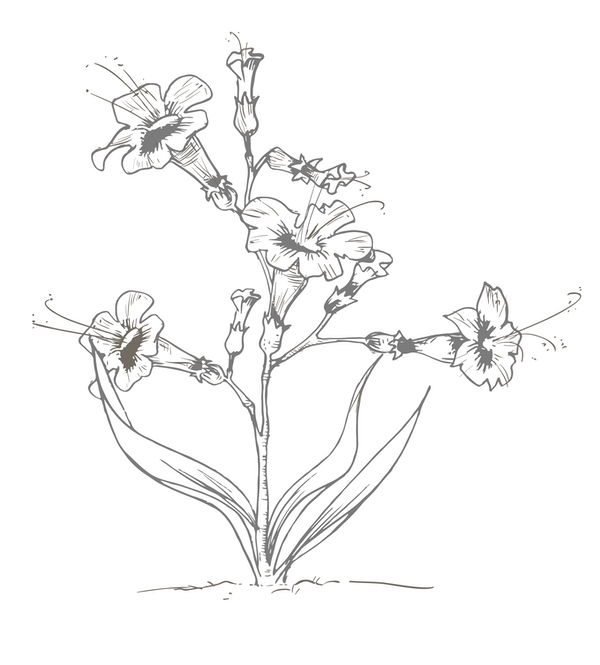
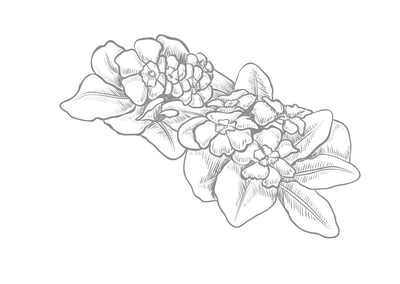
Dame’s Violet (Hesperis matronalis) is a fragrant flowering plant in the cabbage family (Brassicaceae). This short-lived perennial produces clusters of white, lilac, or purple flowers from late spring to early summer. Its fragrant flowers release a strong scent in the evening, and it can grow up to 90cm tall.
Dame’s violet attracts bees, butterflies, and other pollinating insects. It can be naturally found along woodland edges, hedgerows, roadsides, and waste ground. It makes a fine addition to cottage gardens, herbaceous borders, and wildlife-friendly gardens. Although individual plants usually last 2-3 years, they can self-seed in suitable conditions.
Other common names include: close sciences, damask, damask violet, dame’s rocket, dame’s wort, double rocket, garden rocket, night rocket, night violet, night-scented violet, queen’s gilliflower, rocket, rogue’s gilliflower, summer lilac, sweet rocket, white rocket, and winter gilliflower.
How to Identify
Dame’s Violet forms a rosette of leaves before developing tall, leafy stems. Its green leaves are lance-shaped with toothed edges, and the stem grows upright and branches as the plant matures.
The flowers have four petals and grow in loose clusters at the top of the stems. They range from white to pale lilac and deep purple. Their sweet scent becomes more noticeable in the evening, which gives them their common names night-scented gilliflower and night violet.
After flowering, the plant develops long, narrow seed pods. These contain seeds that fall to the ground and produce new plants.
How to Grow
Dame’s Violet grows in full sun or partial shade and prefers fertile, moist but well-drained soil. It suits chalk, clay, loam, and sandy soils with neutral or alkaline pH. Sow seeds directly in spring or autumn, or raise them in trays before planting out. Dame’s Violet suits cottage gardens, herbaceous borders, and wildlife-friendly gardens.
Cut back plants after flowering to keep them tidy. Alternatively, leave seed pods to develop for natural self-seeding. Remove unwanted seedlings to prevent the plant from spreading beyond your garden.