 My Account
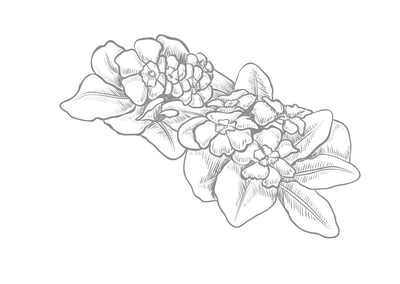


Description
Species Information
Kidney Vetch (Anthyllis vulneraria) is a native low-growing perennial that produces clusters of yellow flowers, sometimes with orange tips. Other common names include Woundwort, Devil’s Claws, and Lady’s Fingers.
Kidney Vetch flowers from June to September. Its woolly flower heads attract bees and other pollinating insects. It’s also the sole food plant for the caterpillars of the Small Blue butterfly.
This spreading plant grows naturally in chalk grasslands, sand dunes, and other dry, grassy places. It thrives in free-draining soil and can help cover bare ground.
How to Identify
Kidney Vetch has low-growing, spreading stems and soft, hairy foliage. Its leaves are divided into several narrow leaflets. These often have a silky appearance, with pale hairs beneath.
The yellow flowers grow in dense, rounded flower heads above the foliage. Some blooms have orange or red markings. Hairy bracts beneath each flower head create the plant’s distinctive woolly appearance.
How to Grow
Kidney Vetch grows best in full sun and free-draining soil. It thrives in chalky or sandy ground and tolerates dry conditions once established. Where possible, avoid heavy, waterlogged soil.
Sow seeds in well-drained compost or prepared soil. You can also plant young plants in spring or autumn. Water them while they establish, allowing the soil to dry between watering.
This native wildflower suits gravel gardens, rockeries, green roofs, and wildlife-friendly borders. Its spreading habit helps cover open ground in suitable conditions. Leave enough room for it to grow alongside nearby plants.