 My Account
 Basket


Description
Species Information
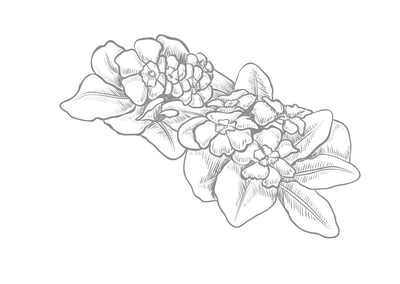
Betonica Officinalis Syn. Stachys officinalis is commonly known as common hedgenettle, betony, purple betony, wood betony, bishopwort, or bishop’s wort. Historically, the perennial flower was planted in churchyards to prevent activity by ghosts. A different way to take advantage of this herb’s protection is to dye some wool with it. It makes chartreuse on wool with alum mordant.
Betony was also an ingredient of “Pistoja powder,” an old herbal medicine remedy for arthritis, gout, and tension headaches. It was also claimed to be effective against snake and dog bites, and was believed to be a cure for drunkenness.
How to Identify
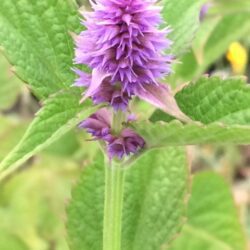
Part of the mint family, betony flowers in mid to late summer with beautiful pink and purple-lipped flowers, which are a magnet for bees and other pollinating insects!
How to Grow
Betony, Stachys officinalis, grows well in most light conditions from full sun to partial shade and is a vigorous grower in rich soils like garden borders and sunny planting schemes.
Once established, it is a reliable and vigorous plant that requires little maintenance. Its compact growth habit makes it ideal for cottage gardens, naturalistic beds, and pollinator-focused planting areas.
Available as seeds, plugs, and potted plants, Wood Betony is easy to introduce into a wide range of garden settings. Combining ornamental beauty with fascinating heritage, it is a wonderful choice for gardeners seeking a plant with both character and history.