 My Account
 Basket

Description
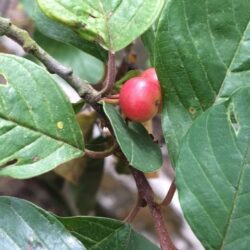
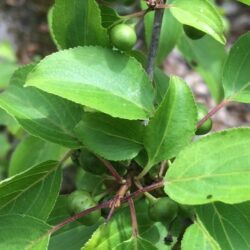
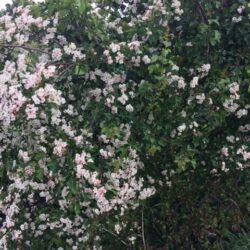
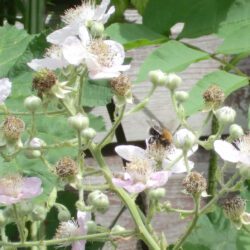
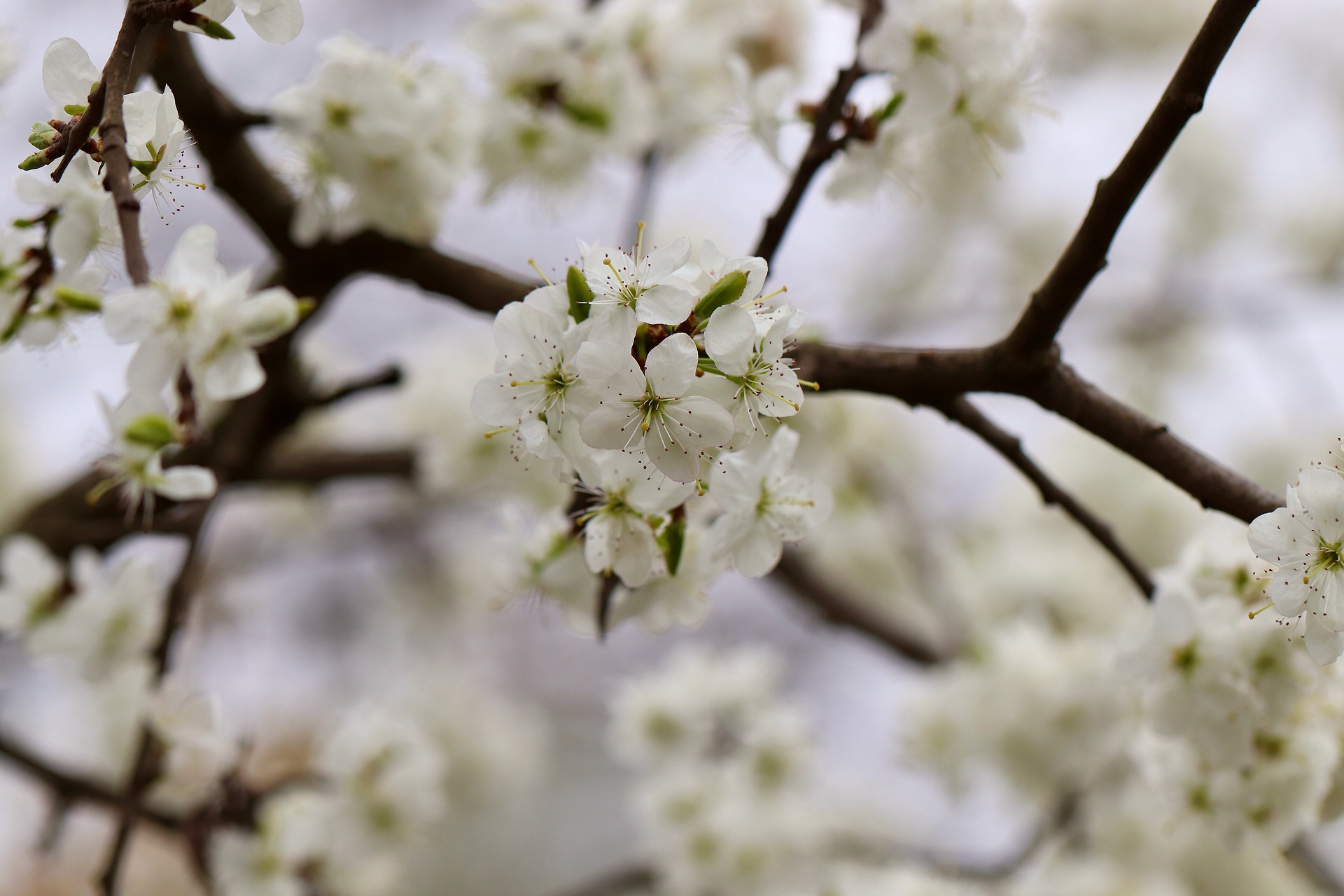
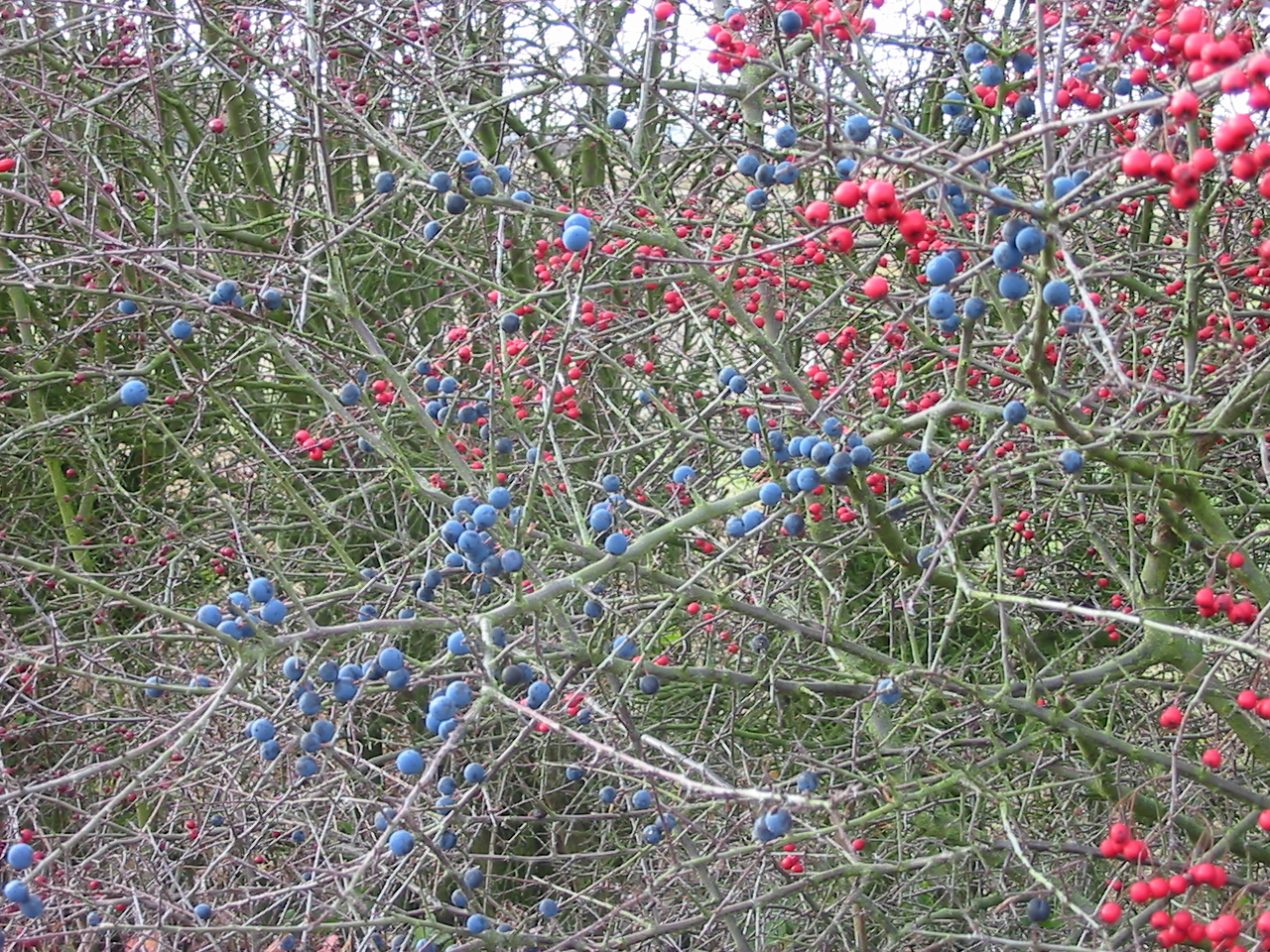
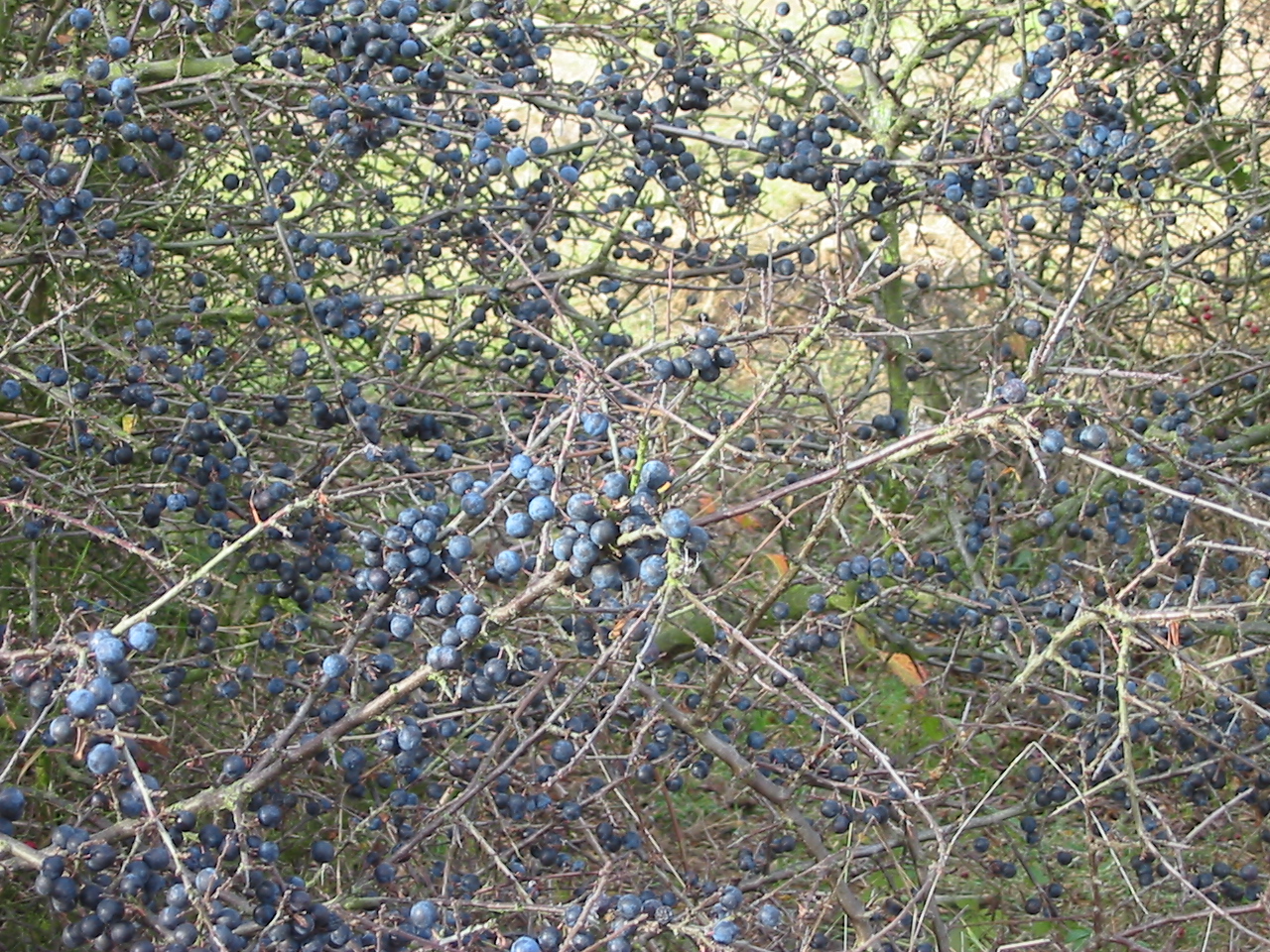
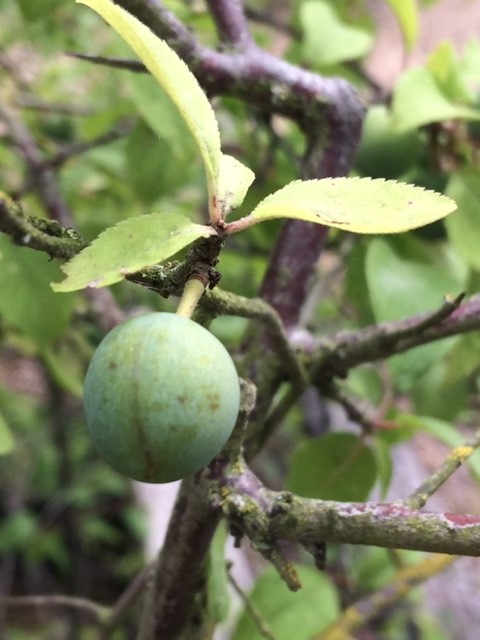
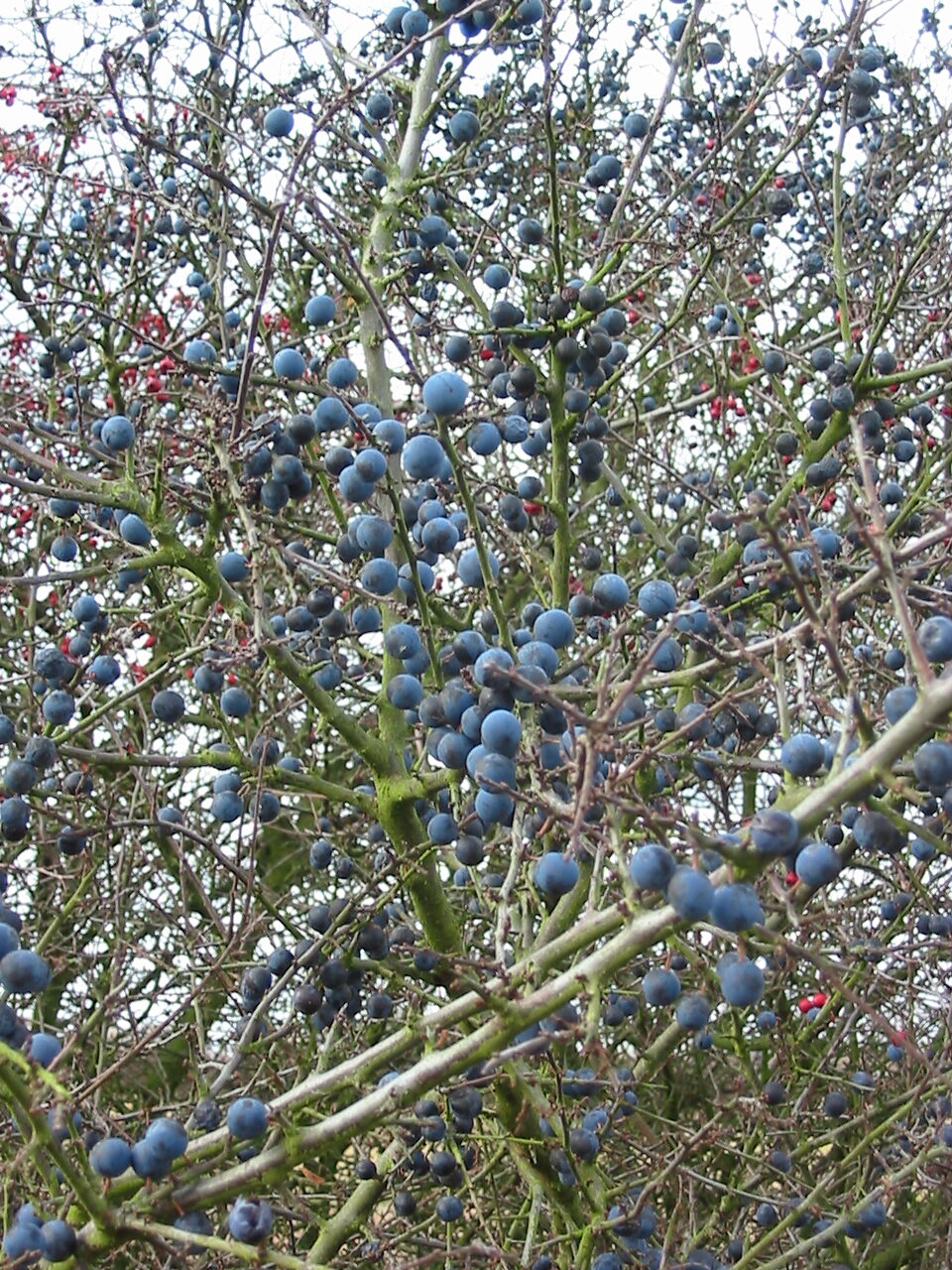
Prunus spinosa is a large deciduous shrub or small tree growing to around 5 metres (16 ft) tall. White flowers bloom early spring and is sometimes confused with Cherry Plum, however blackthorn trees have smaller flowers and bloom about 4 weeks later than cherry plum. The native shrub, with its savage thorns, is traditionally used in Britain to make a hedge. A great source of pollen for bees, the leaf buds and flowers of this hardy shrub can also make a yellow dye, while the fruit blue or pink, the bark will also make a yellow dye.
If using as a blackthorn hedge plants: All species in a wildlife hedge can be cut back or “Coppiced” without harm. During the initial year following establishment, it’s beneficial to prune the hedge to encourage growth from the base. Subsequently, trimming every 2-3 years maintains its health. In adverse weather conditions unsuitable for planting or receiving the hedging, temporarily bury the roots of the bunched plants in a dug hole until planting becomes feasible. After planting, mulching the hedge with lawn clippings or leaf mould helps suppress weeds. Additionally, employing plastic or carpet cuts covered with soil aids in weed suppression and promotes hedge health and a strong blackthorn blossom.