 My Account
 Basket


Description
Species Information
Birdsfoot trefoil (Lotus corniculatus), commonly known as Eggs and Bacon, is a low-growing herbaceous perennial wildflower with a long flowering season from May to September. Botanically named Lotus corniculatus, it is a familiar sight across the UK in all kinds of grassy places, from lawns and roadside verges to meadows, heathland, and coastal habitats.
Rich in nectar and pollen, Birdsfoot trefoil is highly attractive to pollinating insects, particularly bees. It is also an important food plant for the caterpillars of several butterfly species, including the common blue, silver-studded blue, and wood white, making it a valuable addition to wildlife-friendly landscapes.
How to Identify
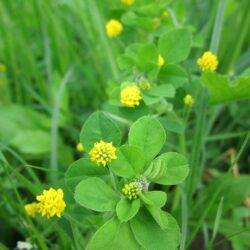
This charming native wildflower produces small clusters of slipper-shaped, egg-yolk yellow flowers, often with reddish buds, which sit just above the surrounding grass. After flowering, it forms distinctive curved seed pods that resemble a bird’s foot or claw, a feature that has inspired many of its common names, such as Eggs and Bacon, Butter and Eggs, and even “Granny’s Toenails”.
Plants typically grow to around 35cm tall and have a gently sprawling habit, blending naturally into meadows and grassy areas.
How to Grow
Birdsfoot trefoil is a tough and adaptable plant that thrives in sandy or nutrient-poor soils. It grows best in full sun and is ideal for wildflower meadows, grassy banks, and informal garden planting schemes.
It can tolerate close grazing, trampling, and mowing, making it a practical choice for naturalised lawns and low-maintenance areas. Seeds are best sown in spring or autumn into well-drained soil, where they will establish readily and provide years of colour and wildlife value.