
Description
Very rare and endangered plant that has been lost from many sites. It usually grows in open sites such as pastures, roadsides and field margins. Also known as grass pink, Deptford pink got its name from Deptford in London, where it has never grown, when it was misidentified by the botanist Thomas Johnson, who discovered the similar Maiden Pink.
The Deptford pink (Dianthus armeria) is a very rare and endangered plant in the UK. Once more widespread, it has declined dramatically due to the loss of traditional grasslands and changes in farming practices. Today, it survives only in a few locations across England and Wales, where it grows in open habitats such as dry pastures, roadside verges, field margins, and along hedgerows.
This delicate plant thrives in nutrient-poor, free-draining soils and needs sunny, open conditions to establish successfully. Because of its rarity, Deptford pink is listed as an endangered species on the Vascular Plant Red Data List for Great Britain and is protected under the UK Wildlife and Countryside Act 1981. It is also listed as a priority species under the UK Post-2010 Biodiversity framework.
The Deptford pink was named by 17th-century naturalist Thomas Johnson, who recorded a pink flower growing in Deptford, East London. However, he was likely describing the closely related maiden pink, as true Deptford pink had already disappeared from the area by that time.
How to Identify
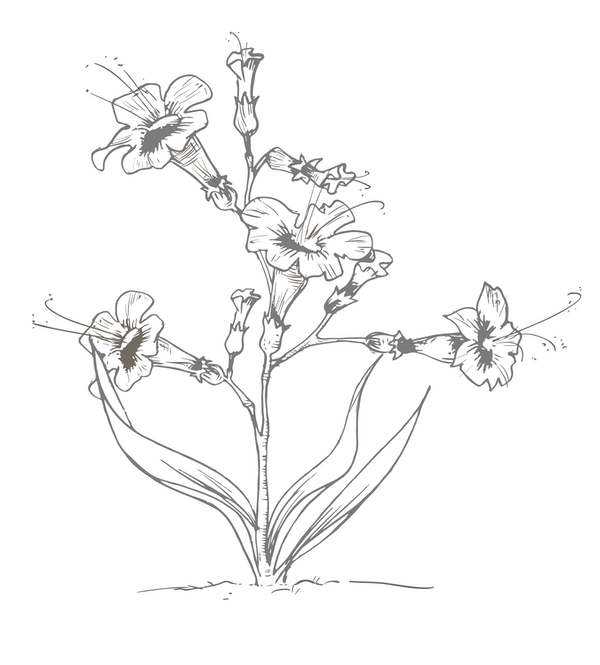
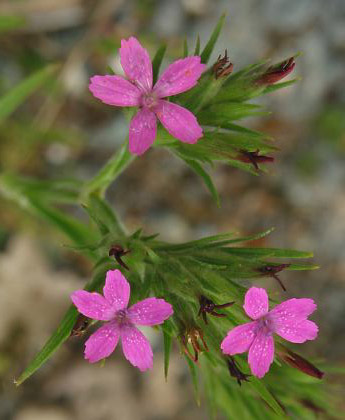
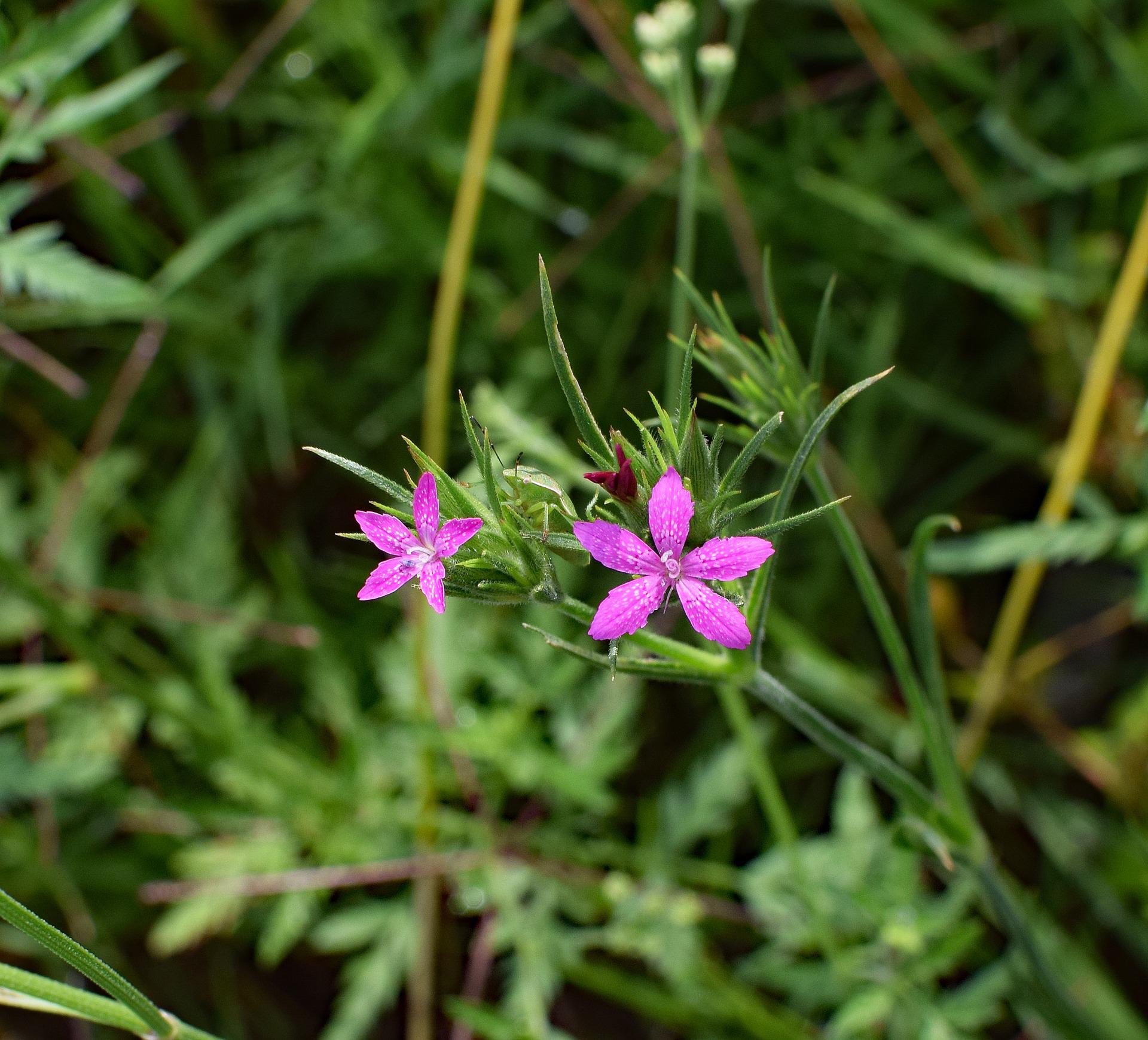
Deptford pink is a slender, upright plant with a long, wiry flower stalk topped with small but striking, bright pink flowers. Each bloom is marked with tiny white dots and has attractively ragged-edged petals. At the base of the plant sits a rosette of narrow green leaves, giving it a neat and distinctive appearance.
How to Grow
Deptford pink grows best in full sun on light, well-drained, low-fertility soils. Seeds can be sown directly outdoors in spring or early autumn onto bare, open ground. Avoid rich composts or heavy soils, as the plant prefers drier, more natural conditions. Once established, it requires little maintenance and is ideal for wildflower meadows, field margins, and native flower gardens where competition from vigorous plants is minimal.