
Description
Common names include corn marigold and corn daisy. It was once ranked very highly, in terms of nectar production, thus showing particular value in the role of nectar-provider for insects in a UK survey of meadow species’ production of nectar sugar and pollen. It has a long blooming period. Can also be known as Chrysanthemum segetum, producing yellow flowers mid to late summer. It grows to a medium height and can be commonly found in arable fields grown in a range of soils.
Corn marigold (Glebionis segetum) is a cheerful and eye-catching annual wildflower, loved for its bright yellow, daisy-like blooms. Once a common sight in traditional farmland, this classic meadow species adds a warm splash of colour to gardens and wildflower areas alike.
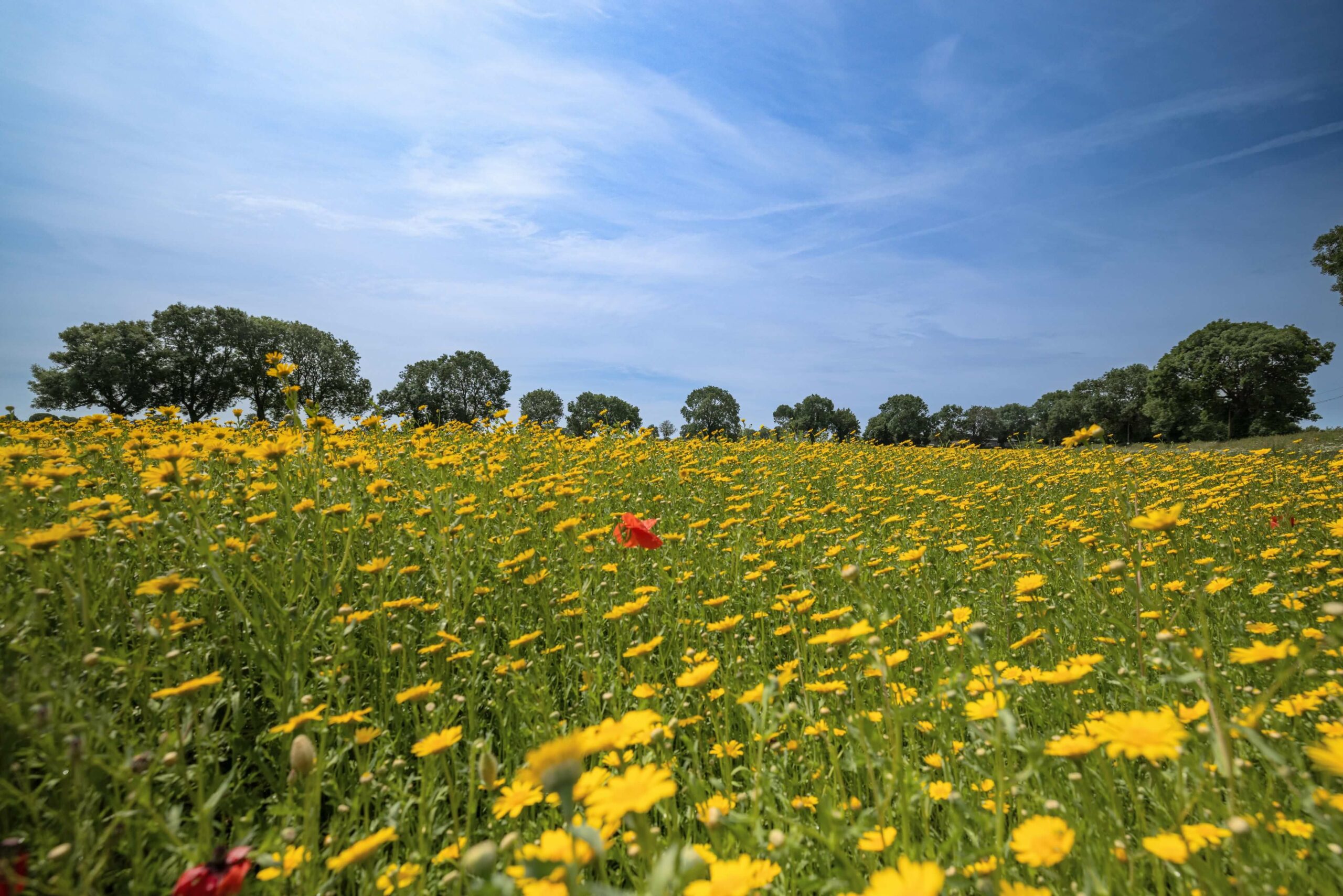
Native to the UK countryside, corn marigold thrives in open, sunny locations and grows best in full sun on most free-draining soils. It has slightly fleshy, pinnately lobed leaves in soft shades of mid green to blue-green, which provide a lovely contrast to the vivid flowers. Known historically as Chrysanthemum segetum, this plant has long been valued for its beauty and wildlife benefits.
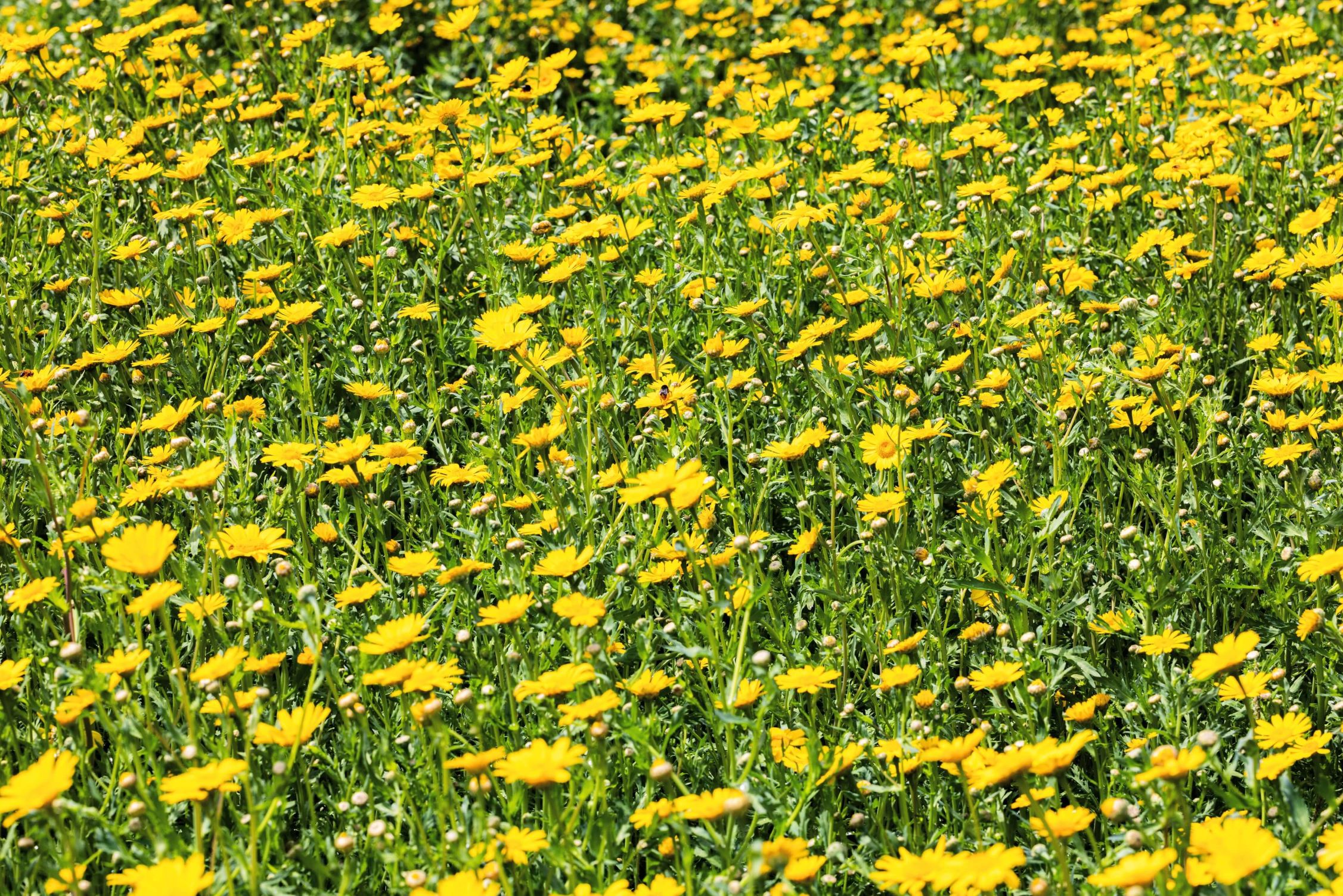
Flowering from early summer through to autumn, corn marigold is an excellent choice for attracting pollinating insects. Its high nectar production makes it a valuable addition to wildlife-friendly planting schemes, flower-rich meadows, and garden borders.
How to Identify
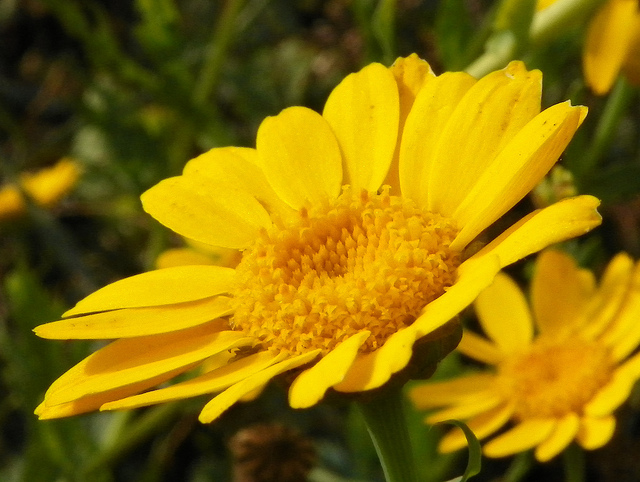
Corn marigold is an upright annual plant with bold yellow flower heads that closely resemble large daisies. The blooms sit above long, divided leaves, giving the plant an open, airy appearance. It typically grows to around 30–60cm tall and is easy to recognise when in flower.
How to Grow
Corn marigold is simple to grow from wildflower seeds sown directly outdoors in spring or autumn. Choose a sunny spot with well-drained soil, and scatter corn marigold seeds onto freshly prepared ground for the best results. Once established, it requires very little care and will often self-seed naturally, particularly on disturbed soil.
Although it can reappear year after year, corn marigold is not an invasive plant, and any unwanted seedlings are easy to remove. It’s perfect for wildlife gardens, informal borders, and naturalistic planting schemes.
A recent UK survey has shown just how valuable corn marigold is for supporting biodiversity, making it a wonderful choice for anyone looking to create a colourful, nature-friendly space.