 My Account
 Basket
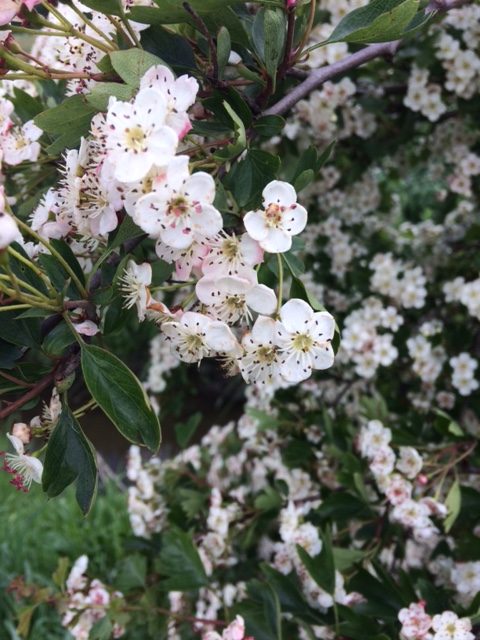

Description
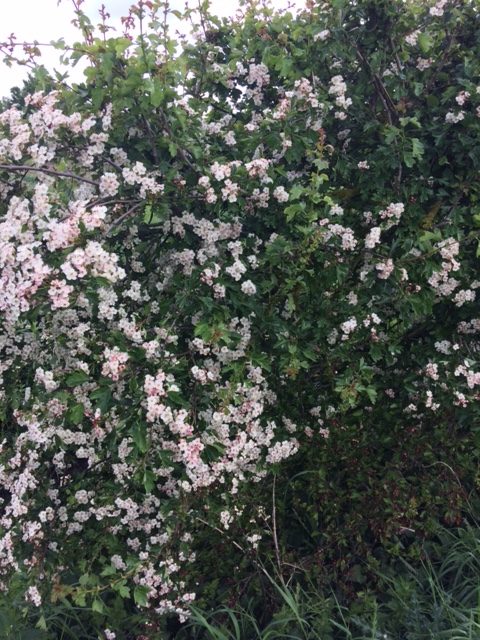
The common hawthorn is a shrub or small tree 5–14 metres (15 to 45 feet) tall, with a dense crown. flowers in late spring. Common hawthorn is extensively planted as a hedge plant, especially for agricultural use. Its spines and close branching habit render it effectively stock- and human-proof, with some basic maintenance. The traditional practice of hedge laying is most commonly practised with this species
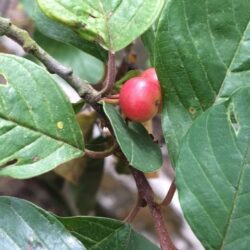
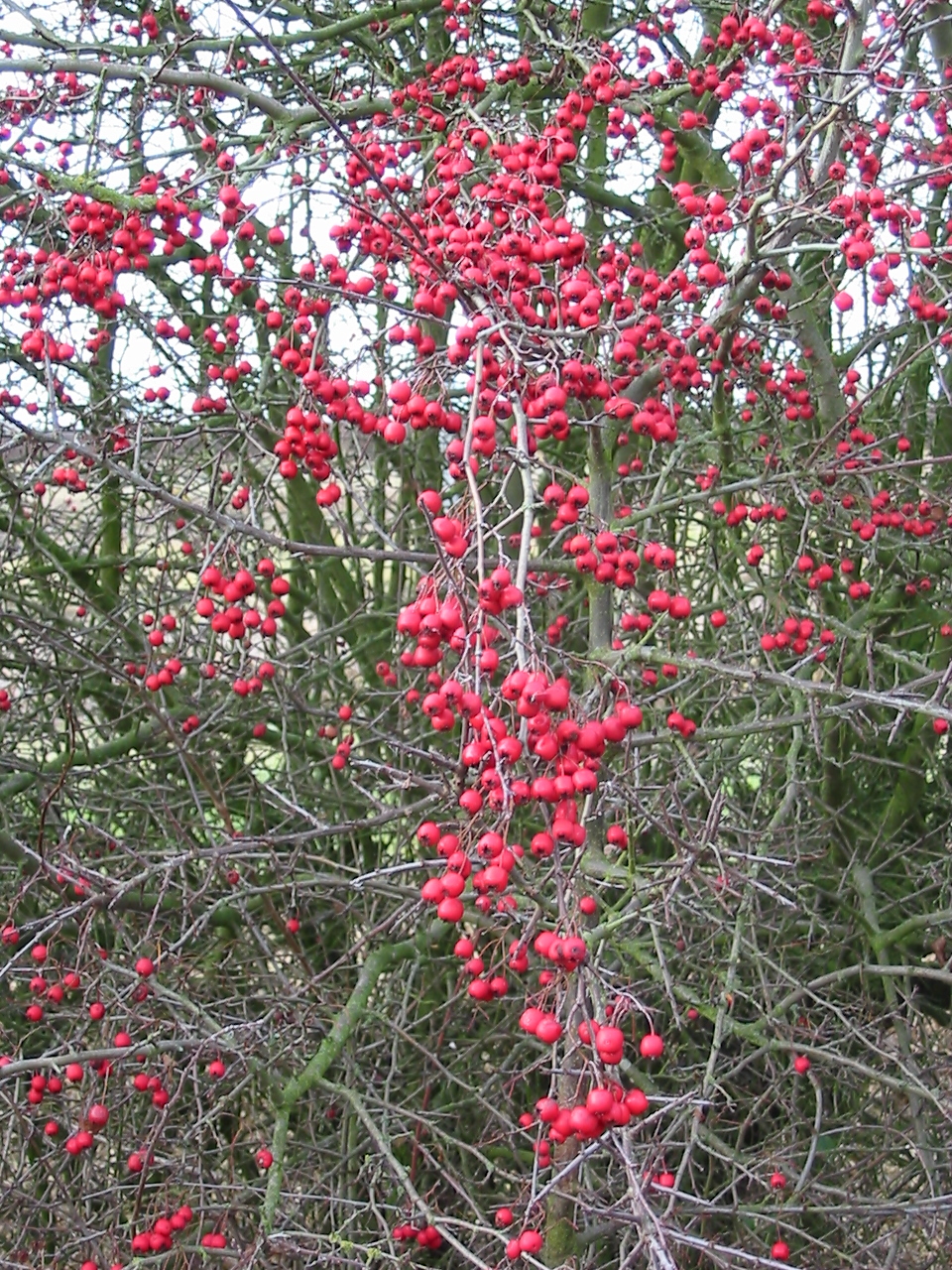
The flowers are pollinated by midges, bees and other insects and later in the year bear numerous haws. The haw is a small, oval dark red fruit about 10mm long, berry-like, but structurally a pome containing a single seed. Haws are important for wildlife in winter
If using in as hedge: All species in a wildlife hedge can be cut back or “Coppiced” without harm. In the 1st year after establishment the hedge can be cut back to stimulate growth of the hedge from the base thereafter cut every 2-3 years. If the weather is unsuitable for planting or receiving the hedging, dig a hole and bury the roots of the bunched plants, they can be held like that till planting. After planting it is advantageous to mulch the hedge with lawn mowing or leaf mould to suppress weeds and also be done with plastic or carpet cuts and covered with soil.