
Description
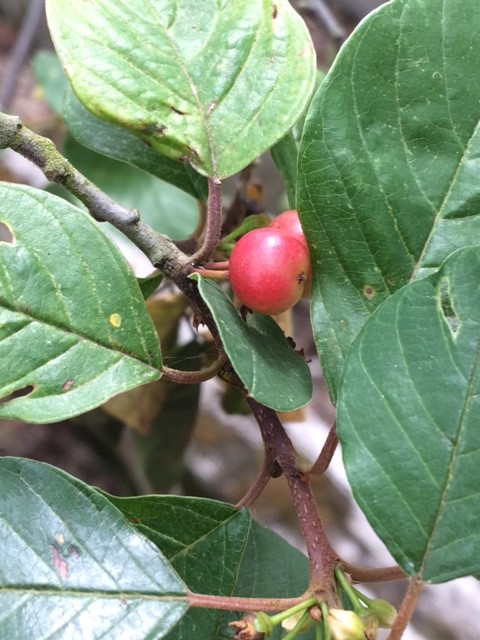
Alder buckthorn (Frangula alnus), also known as glossy buckthorn or breaking buckthorn, is a slow-growing deciduous shrub native to the UK. It is best known for its red berries, which ripen from green to red in late summer before turning dark purple to almost black in early autumn.
This attractive shrub is highly valued for its wildlife benefits and is an excellent choice for woodland planting schemes and naturalistic gardens. Its flowers provide nectar for a wide range of insects, while the leaves are an important food source for caterpillars, most notably the brimstone butterfly. Later in the year, the berries are taken by birds, helping to spread seed naturally and support local ecosystems.
How to Identify
Alder buckthorn typically grows as a large shrub or small tree, reaching heights of up to 6 metres when mature. The bark is smooth and dark brown on the outside, but when cut or damaged, the inner bark reveals a striking bright yellow colour.
Unlike purging buckthorn, alder buckthorn is completely thornless, with smooth branches and slender twigs that are purple-brown in colour and marked with fine white streaks. The leaves are oval, glossy, and finely veined, giving the plant a neat, elegant appearance.
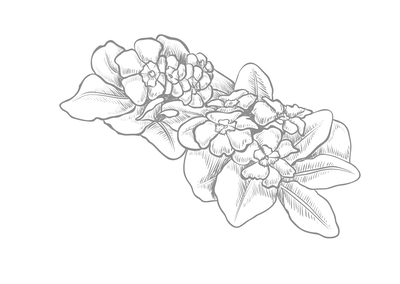
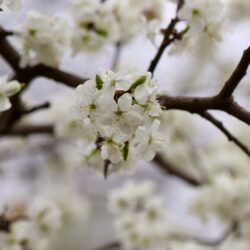
The flowers are small and star-shaped, measuring just 3–5 mm across. They have five pale green, triangular petals and appear in small clusters from May to June. Although subtle, they are rich in nectar and quietly attract pollinating insects throughout late spring and early summer.
How to Grow
Alder buckthorn thrives in moist, well-drained soils and is particularly well suited to damp woodland edges, wet meadows, riverbanks, and wildlife-friendly planting schemes. It prefers acidic to neutral soils but is adaptable and can tolerate seasonal waterlogging once established.
Plant in full sun or partial shade, as good light levels encourage flowering and berry production. Water well during the first year to help roots establish, especially during dry spells. Mulching with leaf mould, composted bark, or other organic matter will help retain moisture and suppress weeds.
This is a low-maintenance shrub that rarely needs pruning. If required, carry out light shaping or remove damaged branches in late winter while the plant is dormant. Over time, alder buckthorn develops into a reliable, long-lived plant that brings structure, seasonal interest, and lasting wildlife value to the garden.