
Tufted Hairgrass

9cm Pot, Seed Packet, Seeds (per gram), Superplugs, Wildflower Plugs

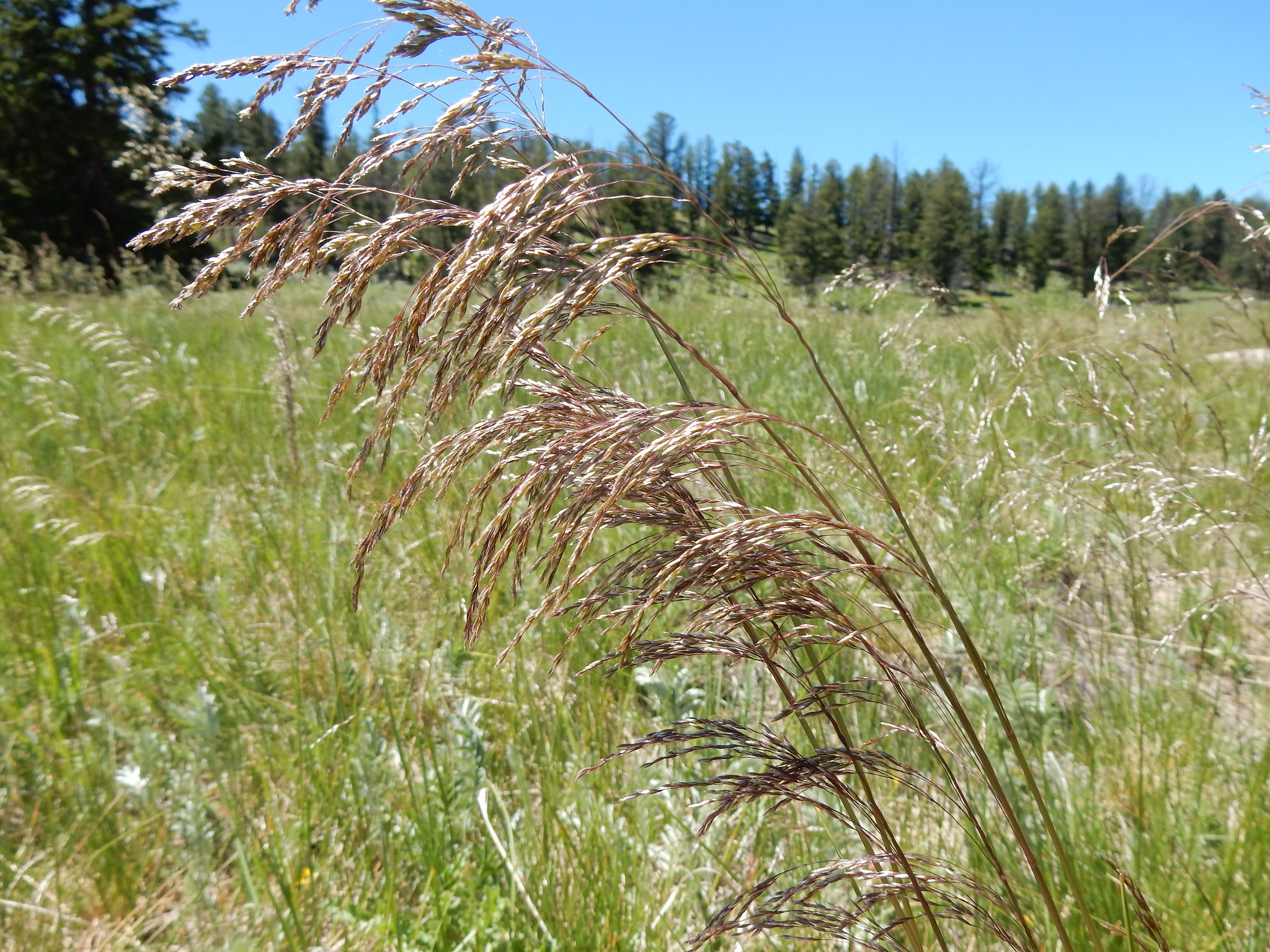
Deschampsia cespitosa  Also known as Tussock Grass. Silver/purplish spikelets on flowers.

Step 1: Select Product Option
Step 2: Enter Quantity
Total: £ 0.00 inc. VAT

Latin Name: Deschampsia cespitosa

Common Name(s): Tufted Hairgrass, Tussock Grass

Plant Type: Perennial

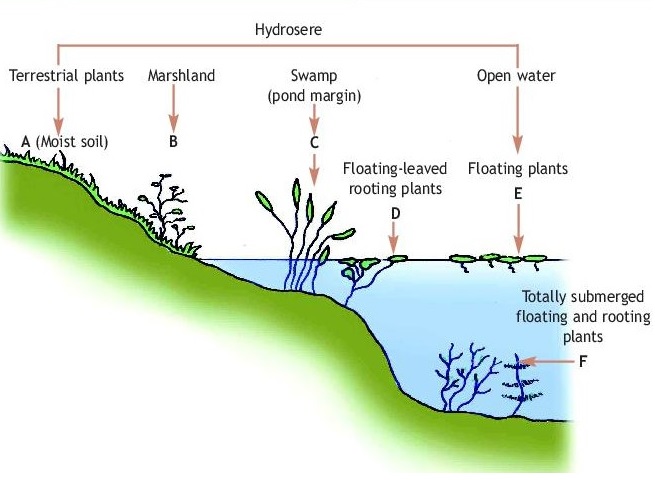
Habitat: Marshland - Zone B, Moist Soil/Terrestrial Plant - Zone A, Pond Margin - Zone C

Colour:

Brown, Cream

Height:

30-120cm

Flowering Time:

June - July

SKU: NS-MAIN-2711 Categories: ,

Description

Tufted hairgrass (Deschampsia cespitosa) is a British native perennial grass found across a wide range of grassland habitats, particularly where soils are moist, heavy, or poorly drained. It is common in damp meadows, wet grasslands, wet or marshy ground, and along pond margins, but will also tolerate drier sites once established.

This cool-season, clump-forming grass develops dense tufts that can gradually expand into large, long-lived tussocks, making it valuable for naturalistic planting schemes, wildlife gardens, and habitat restoration. It provides shelter for insects and small mammals and contributes structure and stability to wet ground.

How to identify

Deschampsia cespitosa forms large, densely tufted clumps of stiff, dark green leaves. The leaf blades are narrow and deeply grooved on the upper surface, with a distinctive texture: they feel rough and slightly cutting in one direction, but smooth when stroked the opposite way.

From early to mid-summer (typically June to August), tall flowering stems rise above the foliage, carrying light, airy panicles of fine spikelets. These flower heads often appear silvery-purple when fresh, giving the plant a soft, shimmering appearance that contrasts beautifully with its robust foliage.

How to grow

Tufted hair-grass thrives best in moist soils and is particularly well suited to poorly drained ground, wet meadows, and pond margins. It grows happily in full sun or partial shade, and copes well with cooler conditions and seasonal waterlogging.

Once established, it is low-maintenance and long-lived. Plants can be left to form impressive tussocks or divided in spring to control size and encourage fresh growth. Its strong clump-forming habit makes it ideal for use as a structural grass in wildlife-friendly planting and natural landscapes.

Additional information

Option

, , , ,

Country of Origin

GB

Plant Type

Habitat

, ,

Colour

,

Flowering Time

June, July