
Branched Bur-reed

9cm Pot, 5cm Plug

Sparganium erectum. Found in marshy places, erect leaves, globular clusters of flowers on stems. Common by fresh water.


Step 1: Select Product Option
Step 2: Enter Quantity
Total: £ 0.00 inc. VAT

Latin Name: Sparganium erectum

Common Name(s): Branched Bur-reed

Plant Type: Perennial

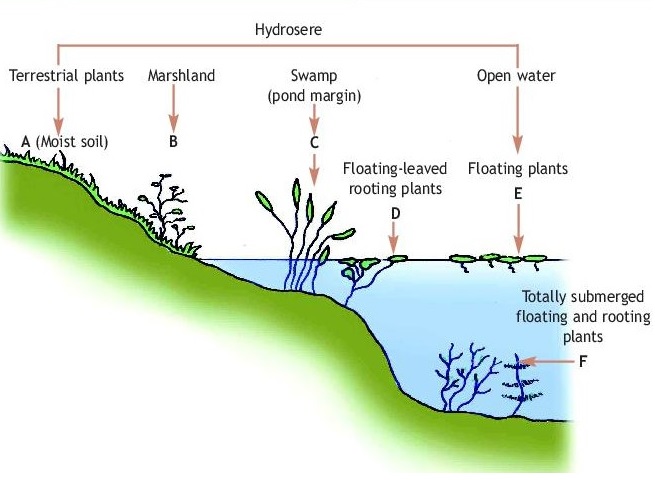
Habitat: Marshland - Zone B, Pond Margin - Zone C

Colour:

Green

Height:

100-150cm

Flowering Time:

June - August

SKU: NS-MAIN-12879 Categories: ,

Description

Branched bur-reed (Sparganium erectum) is a perennial aquatic plant commonly found along pond margins, slow-moving rivers, canals and wetlands. Growing to heights of up to 1.5 metres, it forms upright, architectural stands that add structure and habitat value to shallow water environments. This species is particularly well suited to natural ponds, wildlife gardens and wetland planting schemes.

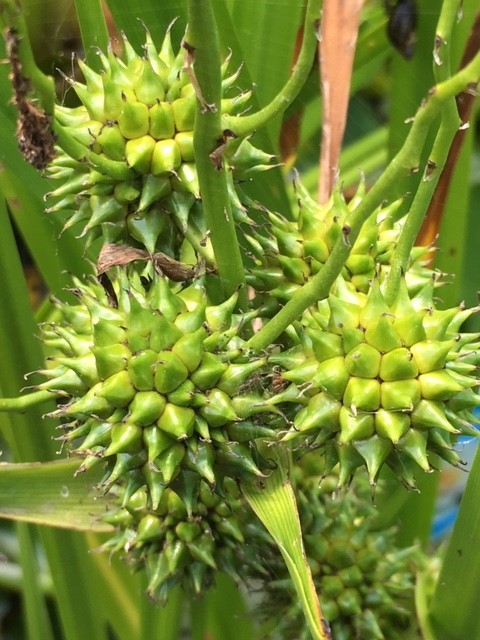
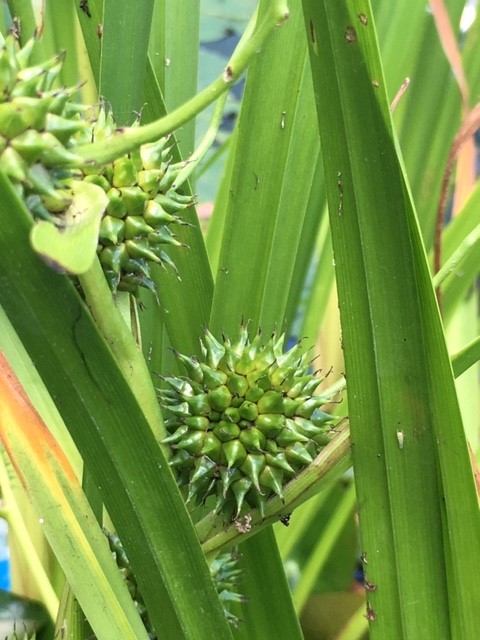
Unlike unbranched bur-reed (Sparganium emersum), branched bur-reed produces a clearly branched flower stalk, making it easy to identify. In late summer, this aquatic perennial bears branched spikes of greenish-brown flowers, followed by prickly green fruit that mature into distinctive, teasel-like brown seed heads, adding seasonal interest while supporting aquatic biodiversity.

How to Identify

Branched bur-reed has long, narrow, strap-like leaves that are usually erect, though they may occasionally float on the water’s surface. The flowering stem is distinctly branched, carrying multiple rounded flower clusters.

The flower heads are unstalked and arranged along the spike. Male flowers appear towards the top, while the larger, spherical female flowers develop lower down, later forming the characteristic bur-like seed heads.

How to Grow

Sparganium erectum thrives in shallow water, ideally up to 45cm deep, making it ideal for pond edges, wetland margins and slow-moving waterways. It grows well in full sun or partial shade and prefers permanently wet or waterlogged conditions.

Once established, branched bur-reed is low maintenance and spreads naturally. It is an excellent choice for wildlife ponds, naturalistic water features and habitat restoration projects, where it provides shelter for aquatic invertebrates and contributes to healthy freshwater ecosystems.


Additional information

Option

,

Plant Type

Colour

Habitat

,