
False Fox Sedge

9cm Pot, Seed Packet, Superplugs, Wildflower Plugs

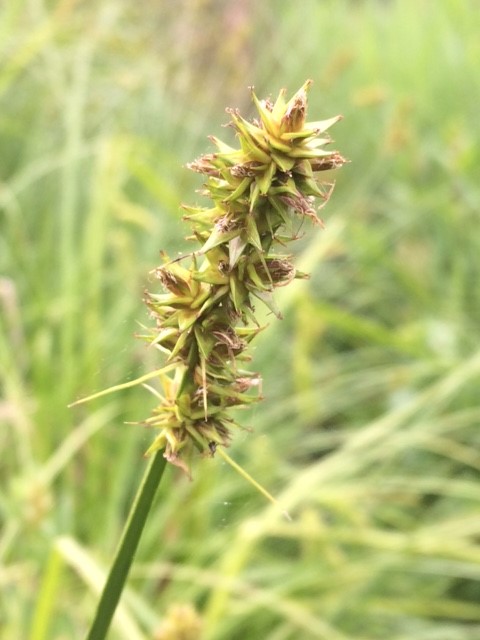
.Carex otrubae Flowers a spike of yellow – green – pale brown.

Step 1: Select Product Option
Step 2: Enter Quantity
Total: £ 0.00 inc. VAT

Latin Name: Carex otrubae

Common Name(s): False Fox Sedge

Plant Type: Perennial

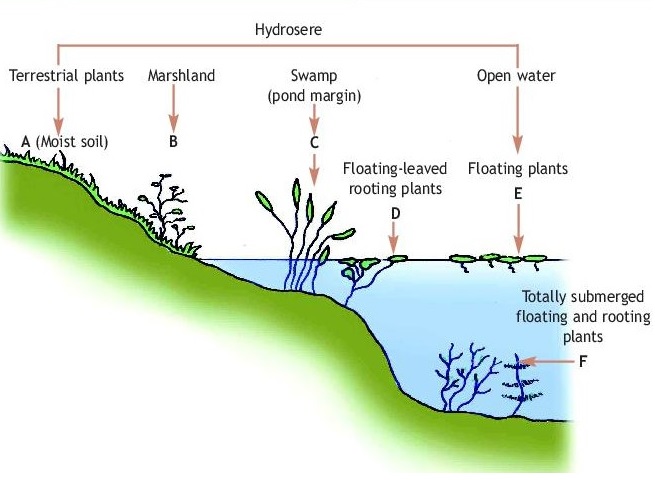
Habitat: Marshland - Zone B, Moist Soil/Terrestrial Plant - Zone A, Pond Margin - Zone C

Colour:

Green

Height:

60-90cm

Flowering Time:

March - May

SKU: NS-MAIN-2992 Categories: ,

Description

False fox sedge (Carex otrubae) is a densely tufted perennial sedge and a Priority Species under the UK Post-2010 Biodiversity Framework. It is most commonly found in wet places on heavy soils, including lowland floodplain meadows, marshes, damp grassland, and coastal habitats.

This species is closely associated with seasonally wet, lowland habitats, many of which are in decline, making Carex otrubae an important indicator of healthy wet grassland ecosystems.

The flowering period typically runs from late spring to early summer, when yellowish-green flowers form dense, cylindrical spikes that hang gracefully from the stems.

How to Identify

False fox sedge has upright, tufted growth with stems that have scarcely winged angles. The plant produces narrow, elongated panicles bearing reddish-brown flowers in summer.

Long, bristle-like bracts with green bases extend beyond the flower heads, giving the plant a distinctive appearance. As the season progresses, the flower heads mature into spiky seed clusters that persist through summer, providing extended visual interest and wildlife value.

How to Grow

Carex otrubae thrives in damp to wet soils, particularly heavy clay or seasonally waterlogged ground. Ideally, it prefers full sun to partial shade, making it a versatile addition to various settings from open wetlands to lightly wooded riparian areas.

It is best suited to damp habitats such as lowland meadows, wet grassland, floodplain restoration projects and naturalistic planting schemes.

Once established, it is relatively low maintenance, tolerating periodic flooding and fluctuating moisture levels, and contributes to biodiversity by supporting invertebrates and meadow ecosystems.

Additional information

Option

, , ,

Colour

Habitat

, ,

Plant Type