
Description
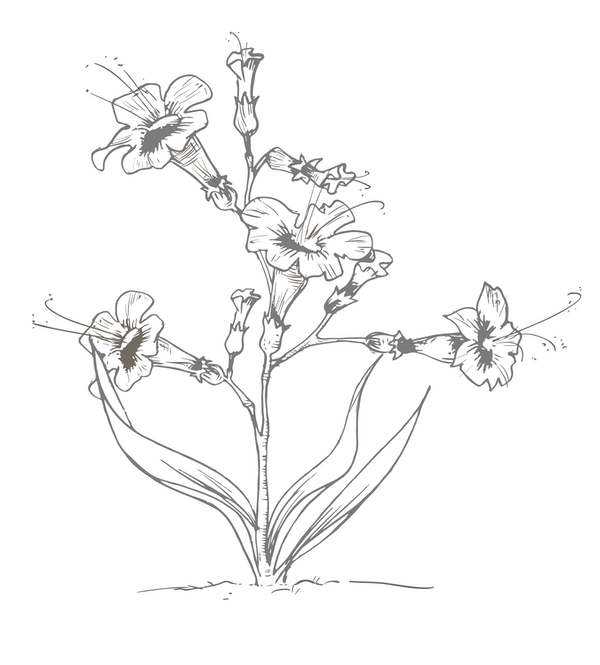
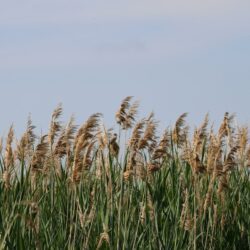
Marsh mallow (Althaea officinalis) is a herbaceous perennial plant native to damp and coastal habitats, including salt marshes, damp meadows, and other marshy environments. It is often confused with common mallow (Malva sylvestris), but true marsh mallow is a distinct species with a long history of use for medicinal purposes.
The thick mallow root contains a soothing root sap that has been valued since Egyptian times, particularly for its healing properties. Traditionally used in herbal medicine, the root was widely applied to ease sore throat, inflamed membranes, and minor irritations.
Today, Althaea officinalis remains popular in wildlife gardens, herb gardens, and naturalistic planting schemes, valued for both its ornamental and historical interest.
How to Identify
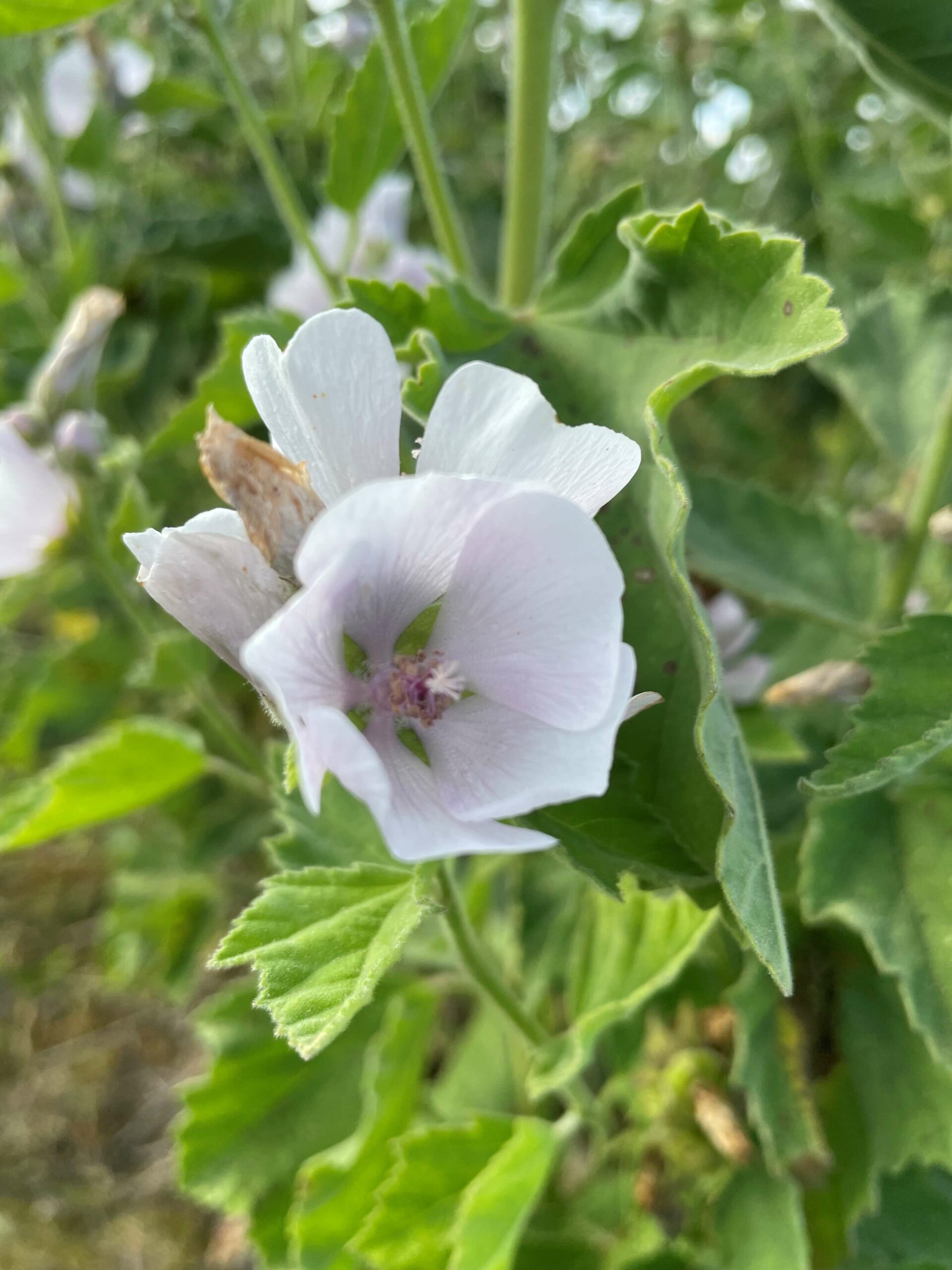
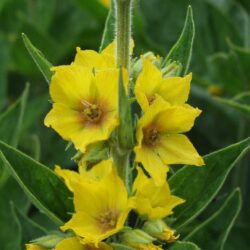
Marsh mallow can be recognised by its softly velvety leaves, which are grey-green in colour and densely covered in fine hairs, giving the plant a downy appearance. The stems are similarly woolly and upright, forming a bushy clump.
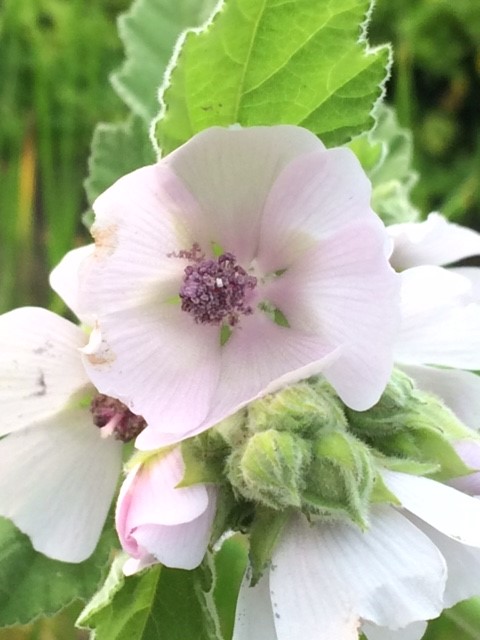
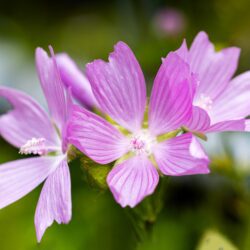
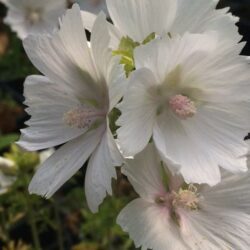
In summer, the plant produces large, pale pink flowers held in loose clusters along the stems. A key identifying feature is the outer calyx, which is divided into six to nine narrow lobes, helping to distinguish it from related species such as Malva moschata. Beneath the soil, Marsh Mallow develops deep tap roots that anchor the plant and allow it to thrive in wet conditions.
How to Grow
Althaea officinalis grows best in moist soil and prefers a damp position in full sun, though it will tolerate partial shade. It is well-suited to garden soil that retains moisture, as well as coastal locations where soils may be slightly saline or influenced by brackish water.
Once established, this perennial plant is low maintenance and hardy under typical UK growing conditions. It can be grown from seed sown in spring or planted as a pot-grown plant.