 My Account
 Basket




Description
Common reed (Phragmites australis) is a tall wetland grass and one of the most familiar sights across wetland areas in the UK. This native flowering plant forms extensive reed beds in marshes, fens, lakesides, and river margins, where it plays a crucial role in supporting wildlife and stabilising wet ground.
Pond reed beds created by Phragmites australis are an important habitat, providing shelter and nesting sites for endangered birds such as Bittern, Marsh Harrier, Sedge Warbler, Reed Bunting, and Bearded Tit. The dense growth also supports invertebrates and helps with stabilising pond margins and improving water quality. In large unmanaged stands, Common reed can become dominant and is sometimes considered an invasive species outside its native range, particularly in North America.
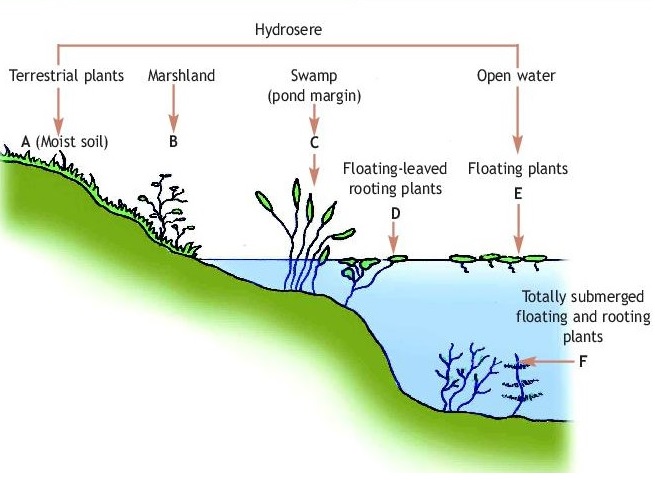
Phragmites australis spreads through strong, creeping rhizomes and can grow in moist soil or standing water up to 1 metre deep. Once established, it may form a floating mat, especially in nutrient-rich conditions. Historically, reed beds have been cut and managed for centuries to supply material for traditional thatching, helping to prevent natural succession to scrub and woodland.
How to Identify
Common reed has tall, hollow stems with overlapping leaf sheaths that clasp the stem tightly. The long, flat leaves are blue-green when fresh and turn yellow-brown as they age.
From late summer into autumn, common reed produces large, feathery flowering panicles. These begin with a purple-brown hue before fading to pale brown as the seeds mature. The flower heads are highly distinctive and visible from a distance, especially in autumn and winter reed beds.
How to Grow
Phragmites australis pond reed thrives in permanently wet ground, shallow water, and organic-matter-rich soils, preferring full sun but tolerating partial shade. It is well-suited to wildlife ponds, wetland restoration projects, and large natural water bodies.
Due to its vigorous growth and rhizome spread, Common reed should be planted with care and managed where necessary. Regular cutting or controlled removal of pond reed helps maintain open habitats and prevents excessive dominance, particularly where conservation goals or restoration plans are in place. When managed correctly, phragmites australis remains one of the most valuable forms of native vegetation for wetland ecosystems.