 My Account
 Basket


Description
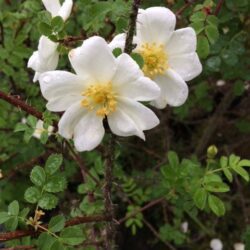
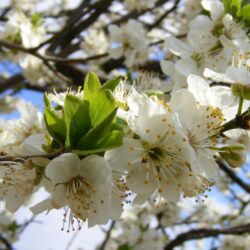
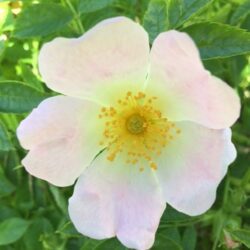
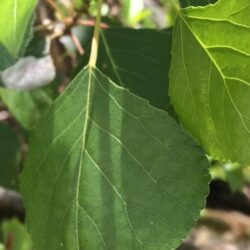
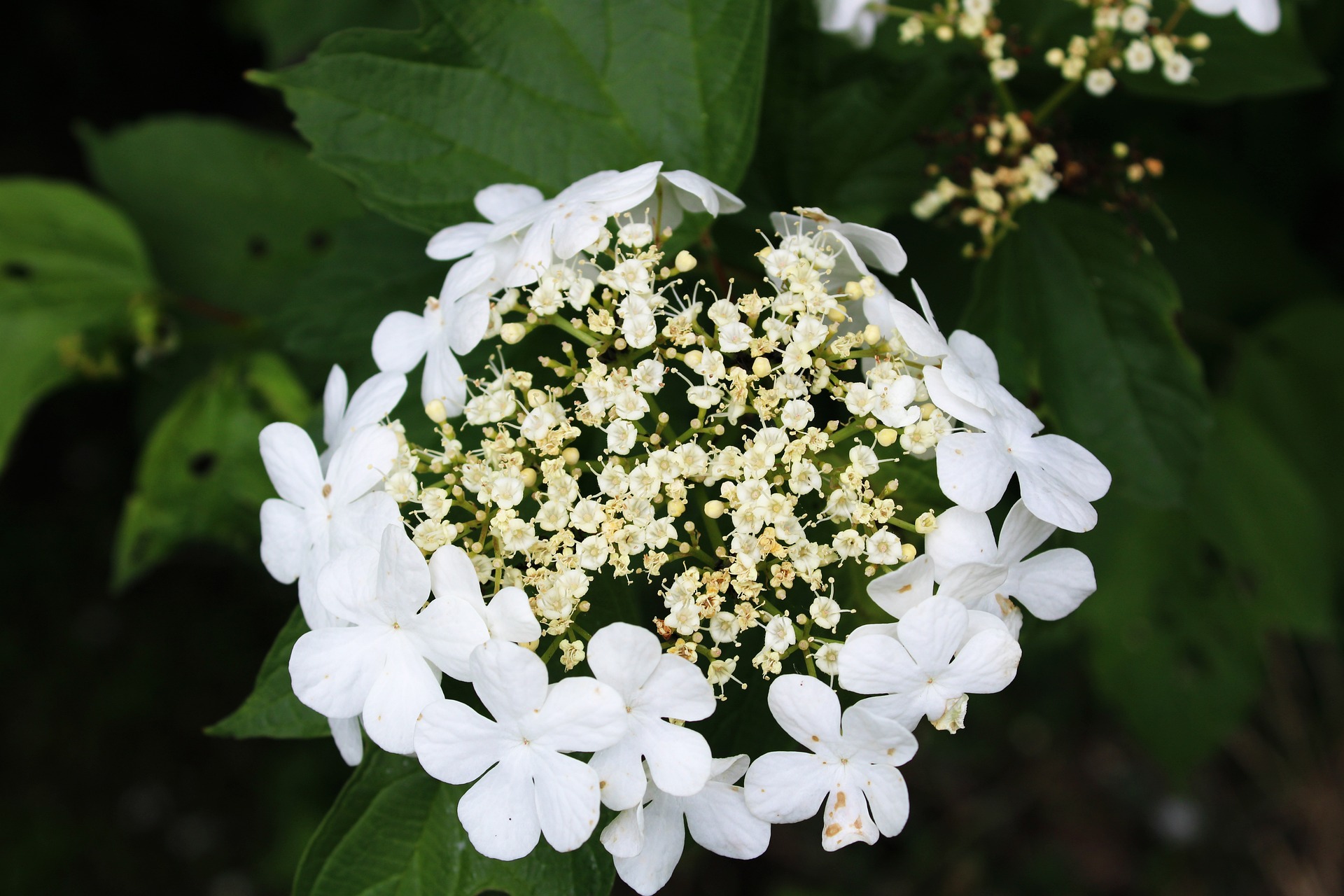
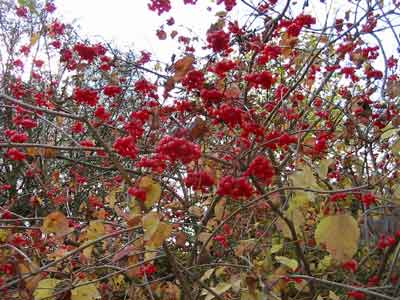
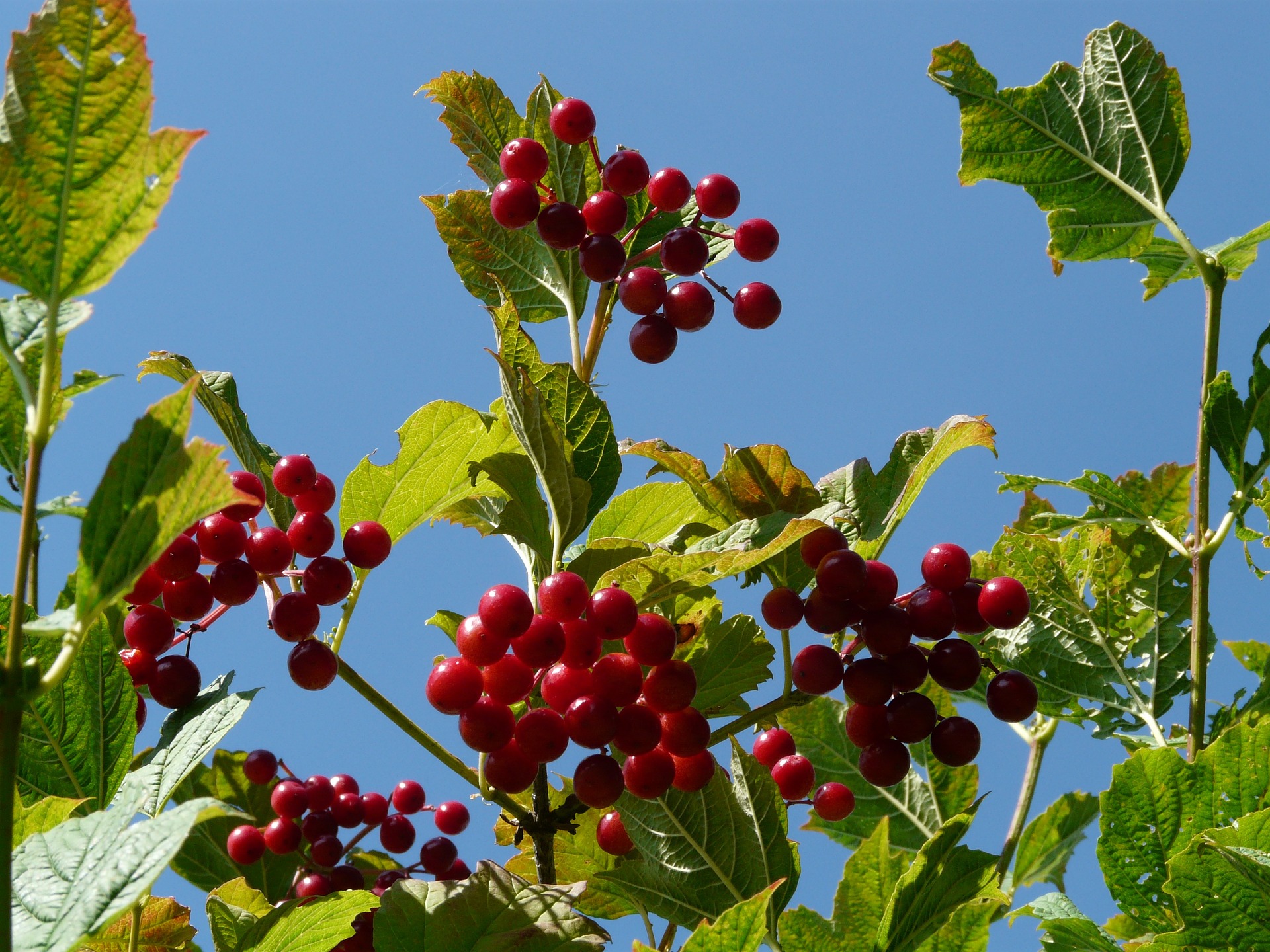
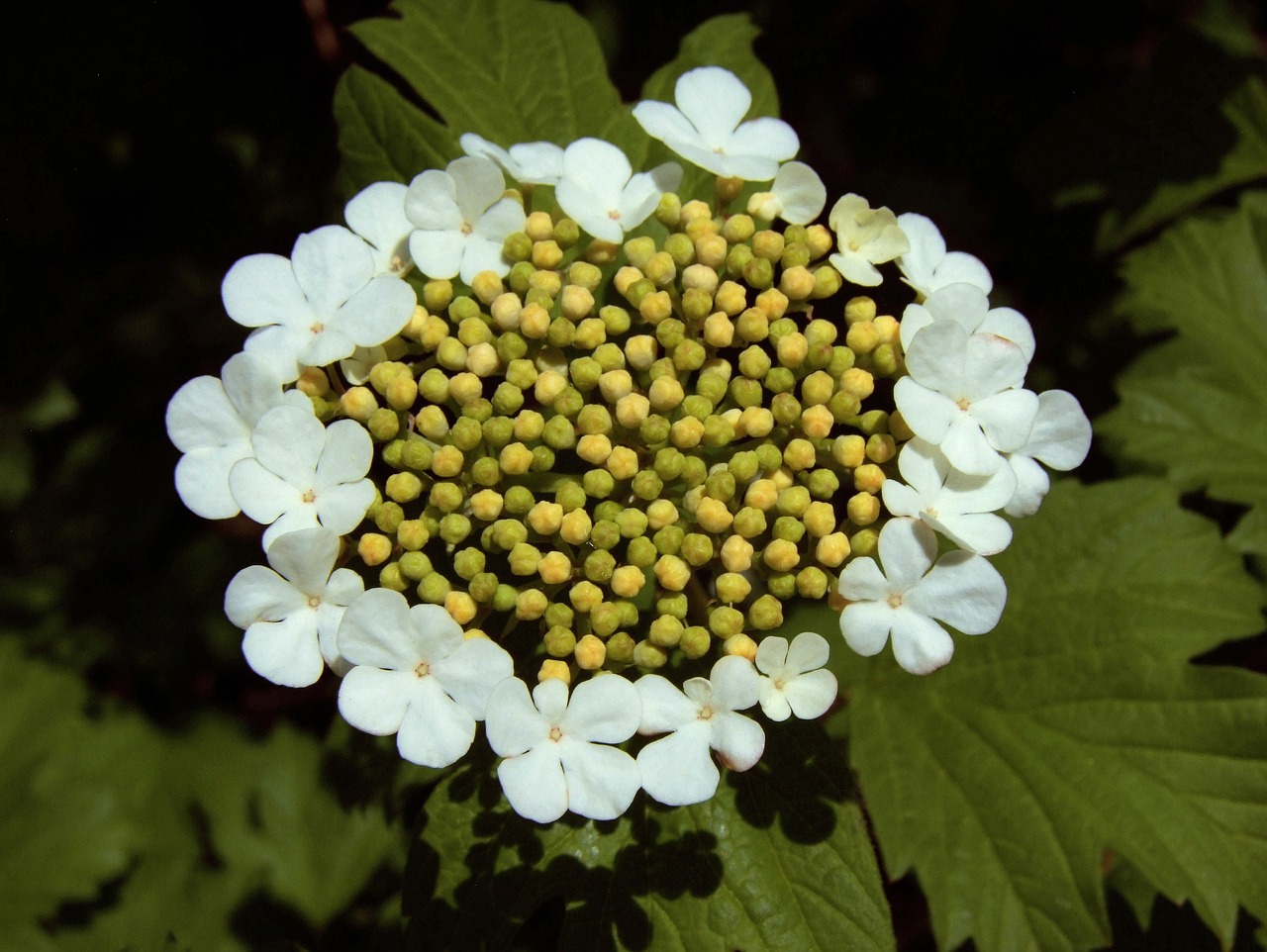
Guelder Rose is one of Britain’s most beautiful native shrubs and it makes a great hedging plant, typically in a mixed country hedge. It also make a fine ornamental shrub for any garden: in the wild, it is often found in dappled woodland shade, but it needs full sun to give you the best show of flowers. Guelder Rose bushes will grow pretty much anywhere, including shady sites under large trees and chalky soils. It prefers a moist soil and will tolerate periods of water logging, Other common names include water elder, cramp bark, snowball tree, common snowball.
If using in as hedge: All species in a wildlife hedge can be cut back or “Coppiced” without harm. In the 1st year after establishment the hedge can be cut back to stimulate growth of the hedge from the base thereafter cut every 2-3 years. If the weather is unsuitable for planting or receiving the hedging, dig a hole and bury the roots of the bunched plants, they can be held like that till planting. After planting it is advantageous to mulch the hedge with lawn mowing or leaf mould to suppress weeds and also be done with plastic or carpet cuts and covered with soil.