 My Account
 Basket


Description
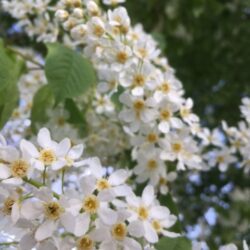
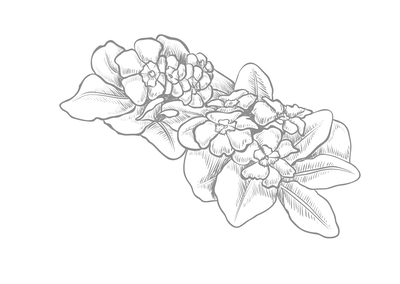
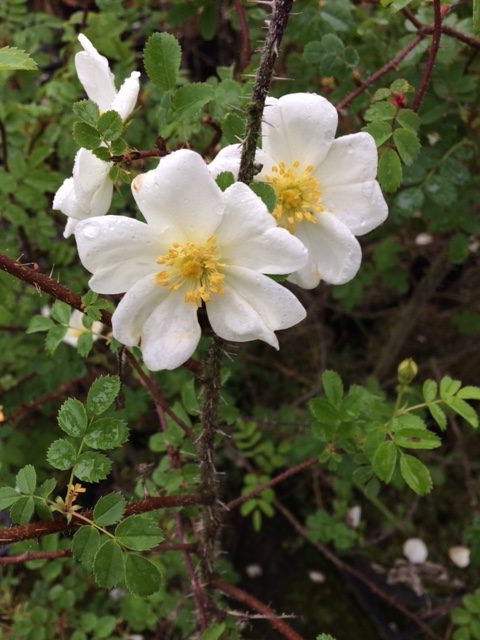
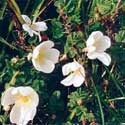
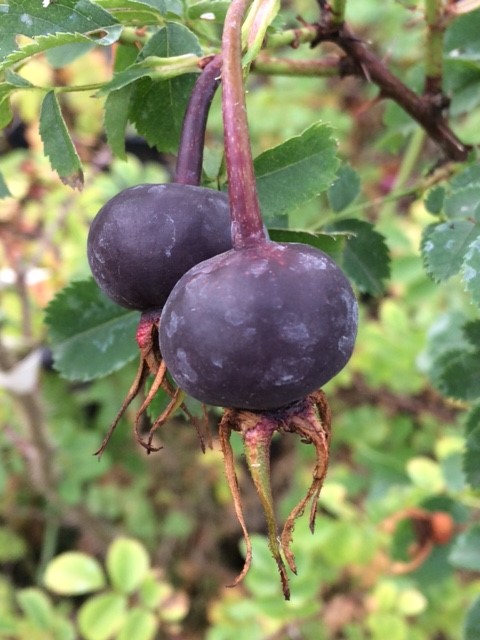
Forms a small compact bush 60-120 cm in height. Flowers of creamy white sometimes a pale pink in May/June and are followed by the magnificent glossy hips. Prefers lighter soils in full sun, It is generally restricted to sand dunes or limestone pavements and typically has a coastal distribution when not on limestone. planting between October and mid March is recommended. Burnet Rose plant used to be grown in gardens for use in herbal medicines. The leaves and the hips were used to make Burnet Rose Tea, while rose-hip syrup and even a liqueur can be made from the large purple hips. Also Known as Rosa Spinosissima and Scotch Rose.
If using in as hedge: All species in a wildlife hedge can be cut back or “Coppiced” without harm. In the 1st year after establishment the hedge can be cut back to stimulate growth of the hedge from the base thereafter cut every 2-3 years. If the weather is unsuitable for planting or receiving the hedging, dig a hole and bury the roots of the bunched plants, they can be held like that till planting. After planting it is advantageous to mulch the hedge with lawn mowing or leaf mould to suppress weeds and also be done with plastic or carpet cuts and covered with soil