 My Account
 Basket
Description
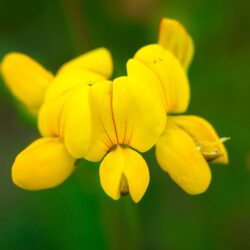
Occurs in a wide range of neutral, damp, open habitats, formerly known as Lotus uliginosus, and also known as the big trefoil, greater bird’s-foot-trefoil or marsh bird’s-foot trefoil.
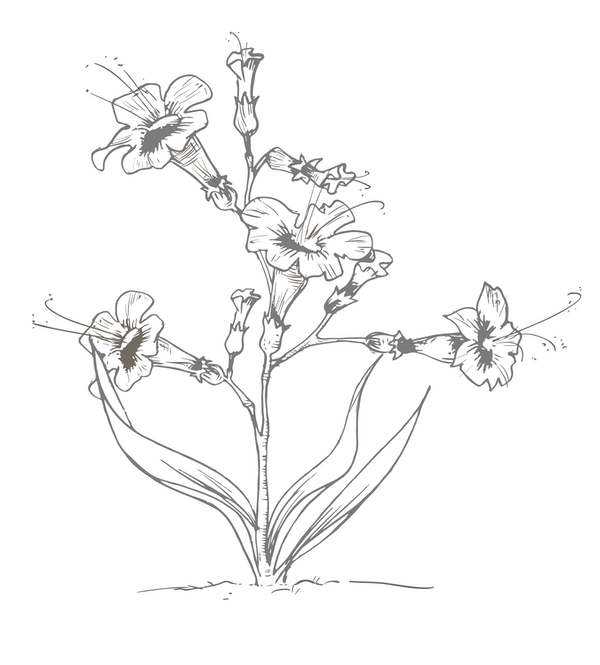
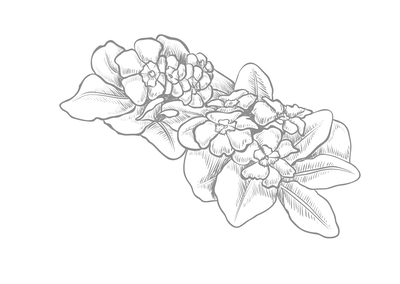
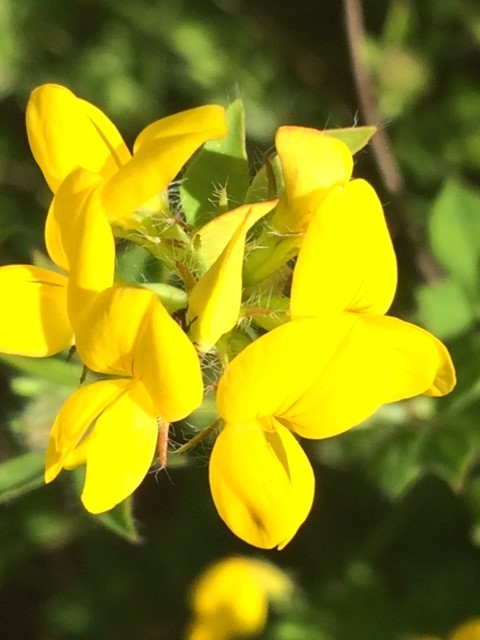

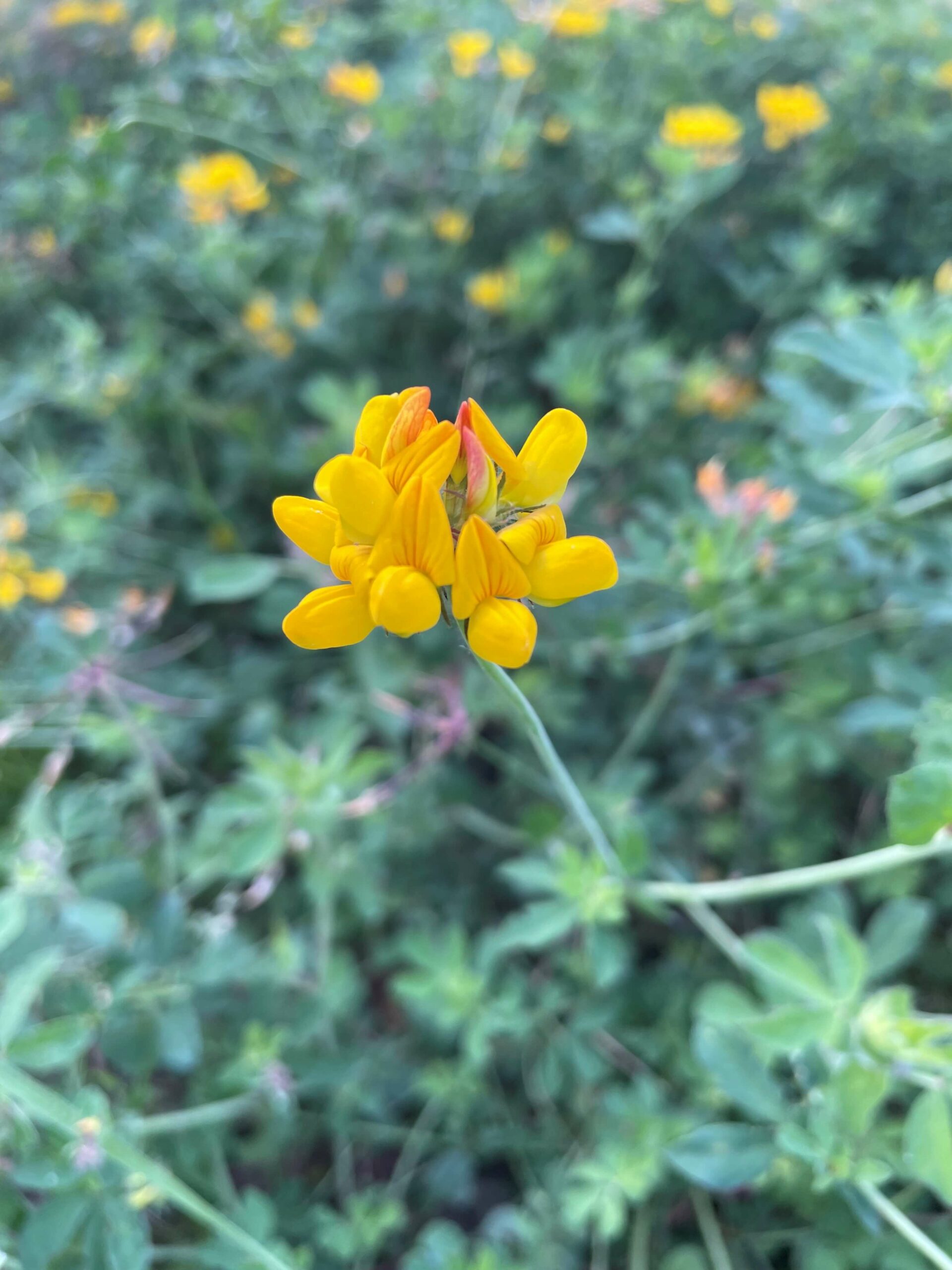
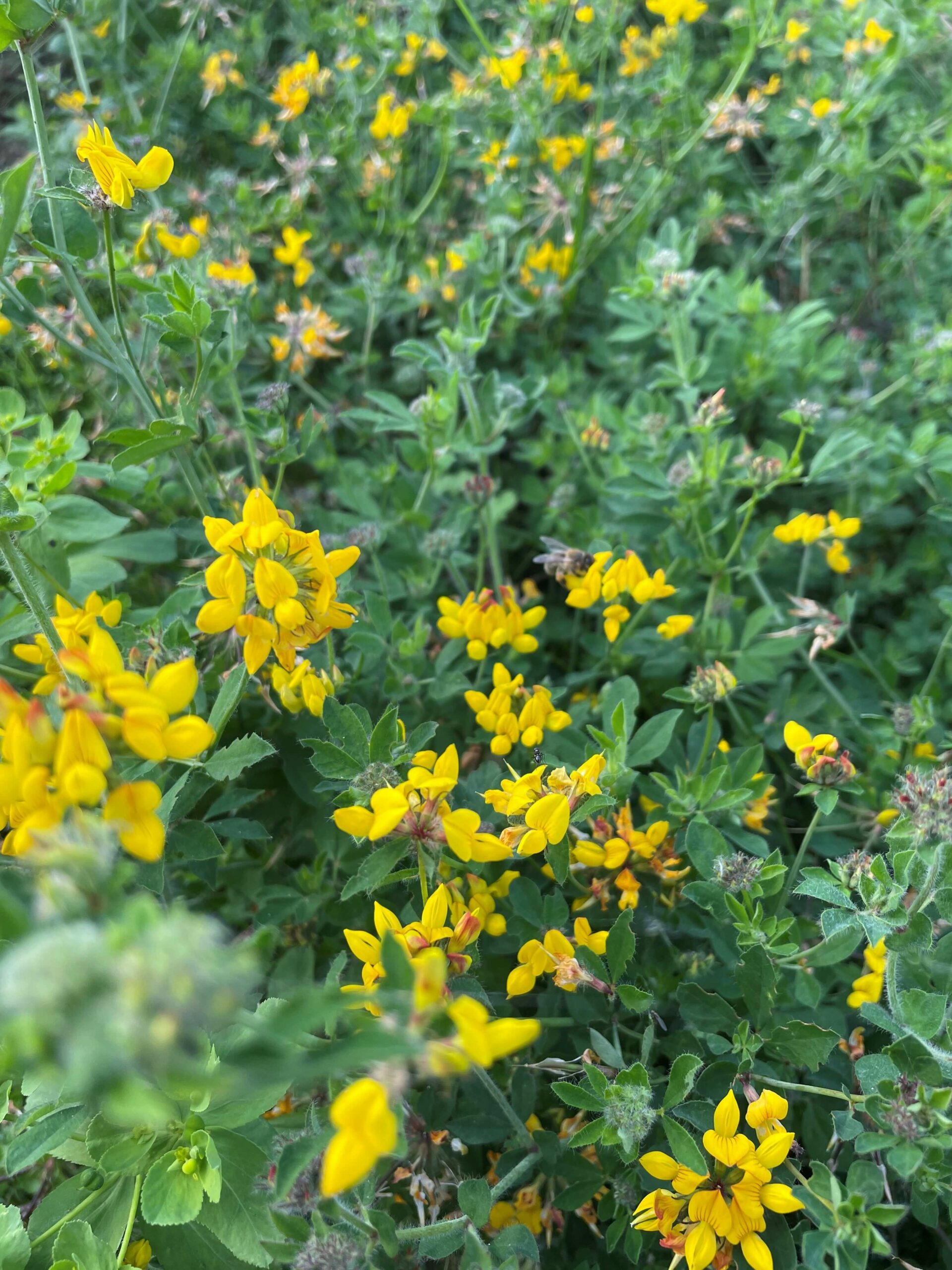
Lotus pedunculatus, Yellow flowers in a larger head than birdsfoot trefoil.
Latin Name: Lotus pedunculatus
Common Name(s): Greater Birdsfoot Trefoil
Plant Type: Perennial
Habitat: Moist Soil/Terrestrial Plant - Zone A
Colour:
Yellow

Height:
30cm

Flowering Time:
June - July
Occurs in a wide range of neutral, damp, open habitats, formerly known as Lotus uliginosus, and also known as the big trefoil, greater bird’s-foot-trefoil or marsh bird’s-foot trefoil.
| Option | 9cm Pot, Seed Packet, Seeds (per gram), Superplugs, Wildflower Plugs |
|---|---|
| Flowering Time | June, July |
| Colour | |
| Habitat | |
| Plant Type |