
Description
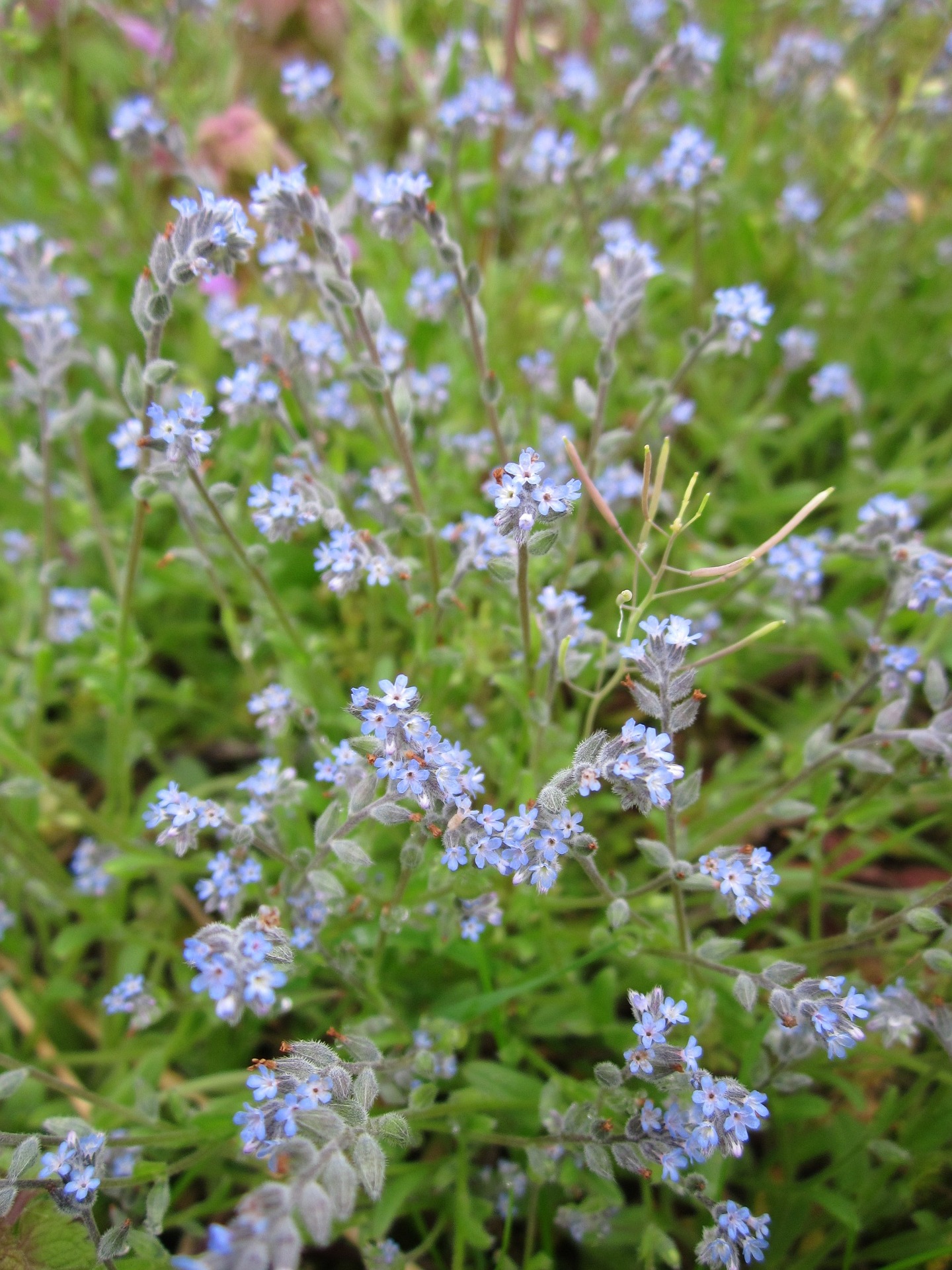
Field forget-me-not, commonly called Bird’s Eye or Robin’s Eye, is a winter green annual or short-lived perennial introduced into Britain in ancient times and now found in cultivated fields and open, well-drained soil; common throughout the British Isles.
The blue flowers of Myosotis arvensis bloom from late spring to summer, giving a brilliant ground cover of small, delicate flowers. The flower seeds can be sown in spring or early autumn, with temperatures 15-20 °C being ideal conditions for germination. Forget Me Nots are popular filling plants for flower beds and rock gardens across the UK, complementing a range of bedding plants and flower borders.
Available as seeds or plug plants.
Field forget-me-not (Myosotis arvensis) is a herbaceous annual from the Borage family, long established in Britain. It is most often found growing on arable land, field margins, gardens, and disturbed ground, where it thrives in light, well-drained soils.
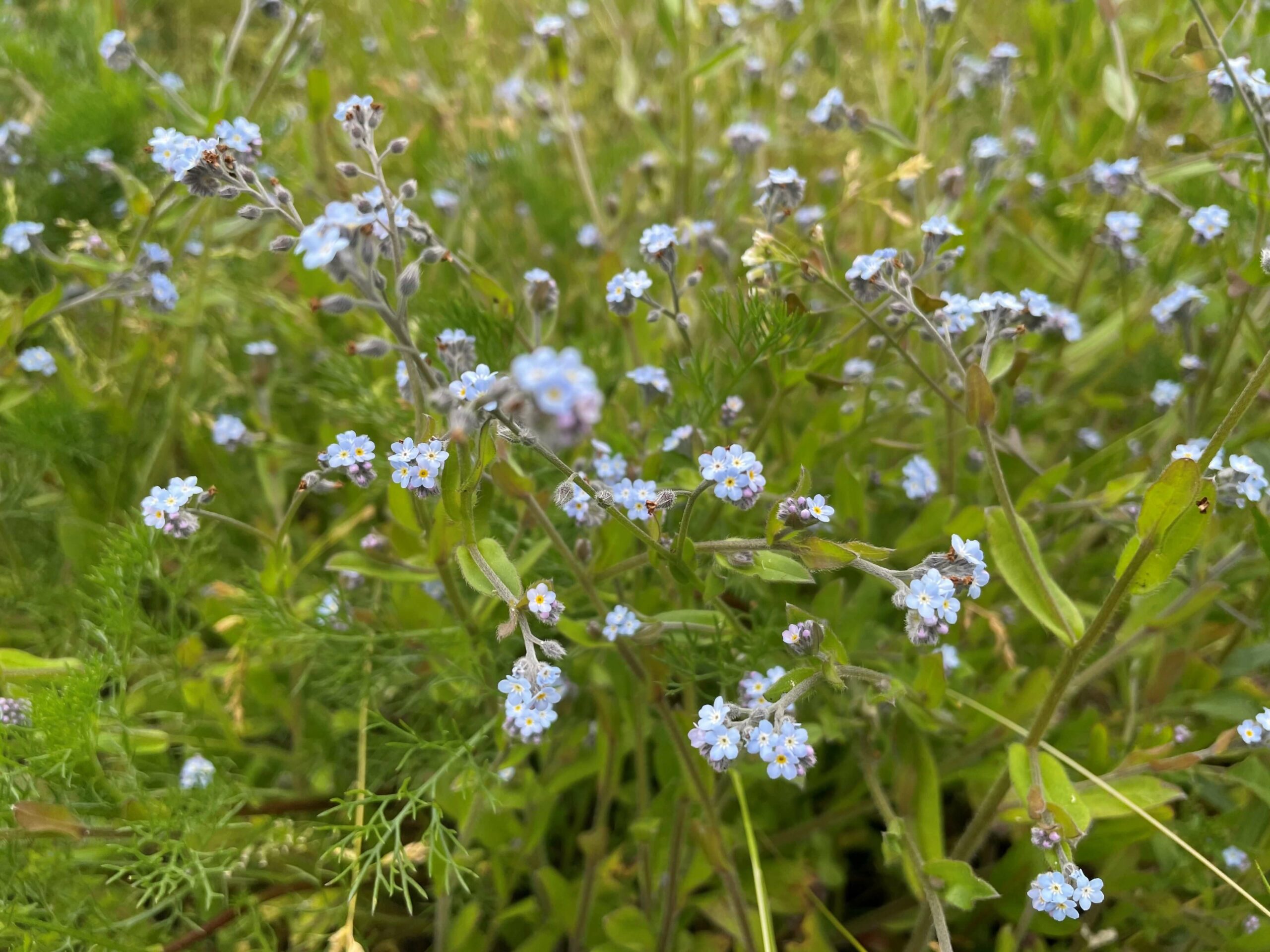
From spring into early summer, this familiar wildflower produces charming clusters of small blue flowers, each with a bright yellow centre. Occasionally, blooms may appear as soft pink flowers, adding extra variation to its display. These delicate blossoms provide a valuable nectar source for pollinating insects, making field forget-me-not a lovely addition to wildlife-friendly spaces.
How to Identify
Field forget-me-not is a low-growing plant with slender, softly hairy stems and narrow green leaves. The tiny five-petalled flowers are carried in loose flower clusters, giving the plant a light and airy appearance. It is often mistaken for garden forget-me-not (Myosotis sylvatica), but tends to be smaller and more delicate.
How to Grow
Field forget-me-not grows best in full sun and well-drained, arable soils. Seeds can be sown directly outdoors in spring or autumn, where they will establish quickly and naturally. It is ideal for wildlife gardens, informal flower beds, and rock gardens, and can also be grown from plug plants for easy planting. Once established, it will often self-seed, creating gentle drifts of colour year after year.