
Description
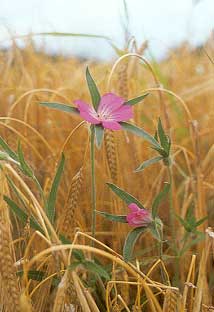
Corncockle (Agrostemma githago) is a tall and elegant annual wildflower with a rich agricultural history. It became widespread across the UK during the 1800s as industrial and mechanised farming expanded to meet growing food supply demands. The plant thrived as a weed of traditional wheat fields, where seeds were often accidentally harvested and re-sown alongside crops.
Over time, improved farming methods and better seed cleaning greatly reduced its presence in the countryside. Today, corncockle is appreciated far more as an ornamental plant and is widely grown as a classic cottage garden plant and a valuable addition to wildflower planting schemes.
Although the plant has toxic properties, concerns largely stem from the past when seeds were unintentionally mixed into food products. Like many garden plants, it is safe to grow and handle responsibly and poses no risk when used appropriately in gardens.
From June through summer, corncockles produce beautiful pink flowers that are rich in nectar and help support bees and other pollinating insects, making it a colourful and wildlife-friendly choice.
How to Identify
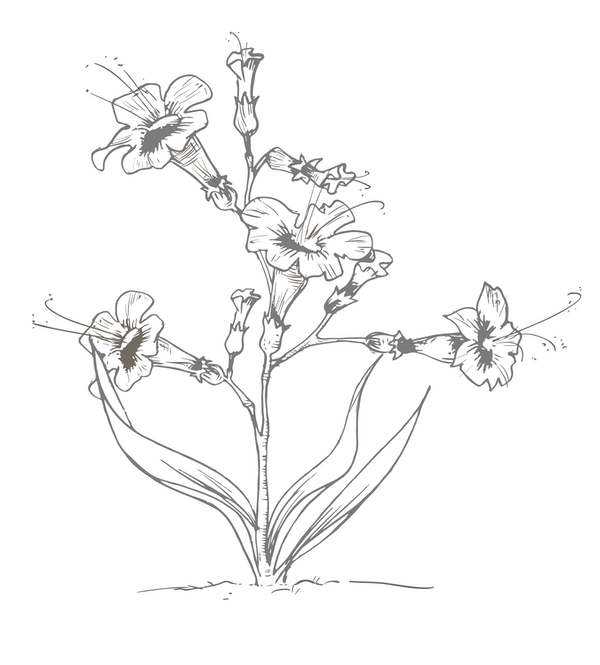
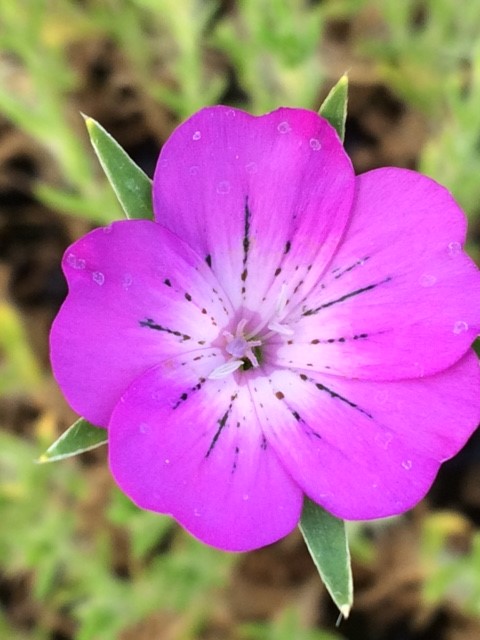
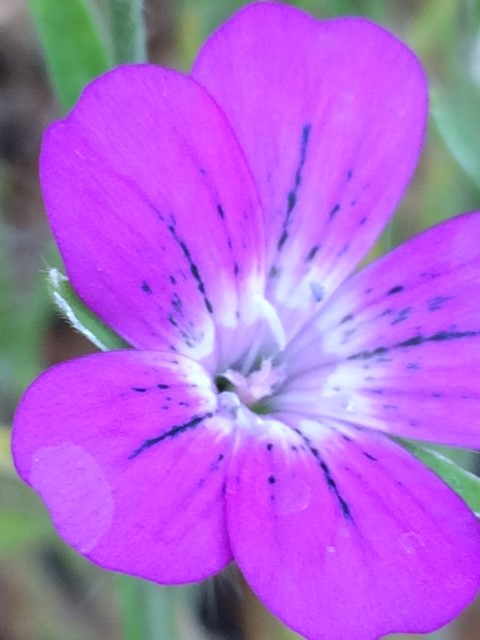
Corncockle is easy to recognise thanks to its tall, graceful stems and large, open blooms. Growing up to 1.2 metres in height, it has distinctive, narrow, grey-green hairy leaves and eye-catching magenta-purple flowers marked with darker veins.
After flowering, the plant forms decorative seed heads, which add further interest later in the season. As an annual species, corncockle completes its entire life cycle within one year, germinating, flowering, setting seed, and dying back in a single growing season.
How to Grow
Agrostemma githago is simple to grow and thrives in full sun and well-drained soil. Corncockle seeds can be sown directly outdoors in spring, or in autumn for earlier flowering the following year. For best results, sow into a prepared, weed-free seed bed and lightly rake the soil to ensure good contact.
Corncockle seeds work beautifully as part of a mixed seed mix or alongside other classic meadow species such as field poppies and corn marigold. It is also ideal for creating bold displays in borders or informal wildflower areas.
Once established, it needs very little maintenance and will often self-seed gently in suitable conditions. With its tall stems, vibrant colour, and relaxed cottage-garden charm, corncockle is a striking addition to any sunny garden space.