 My Account
 Basket



Description
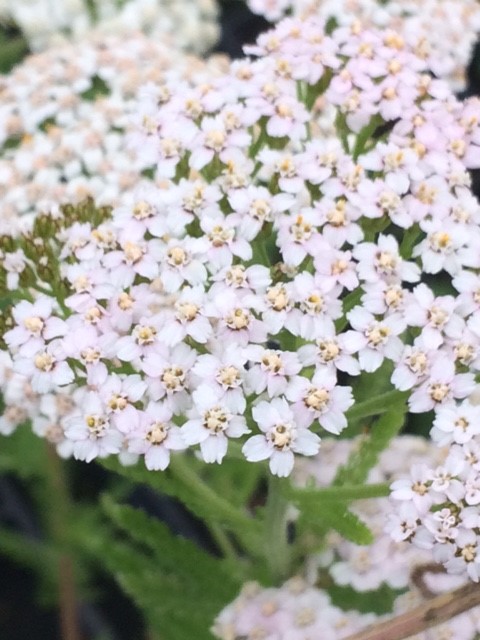
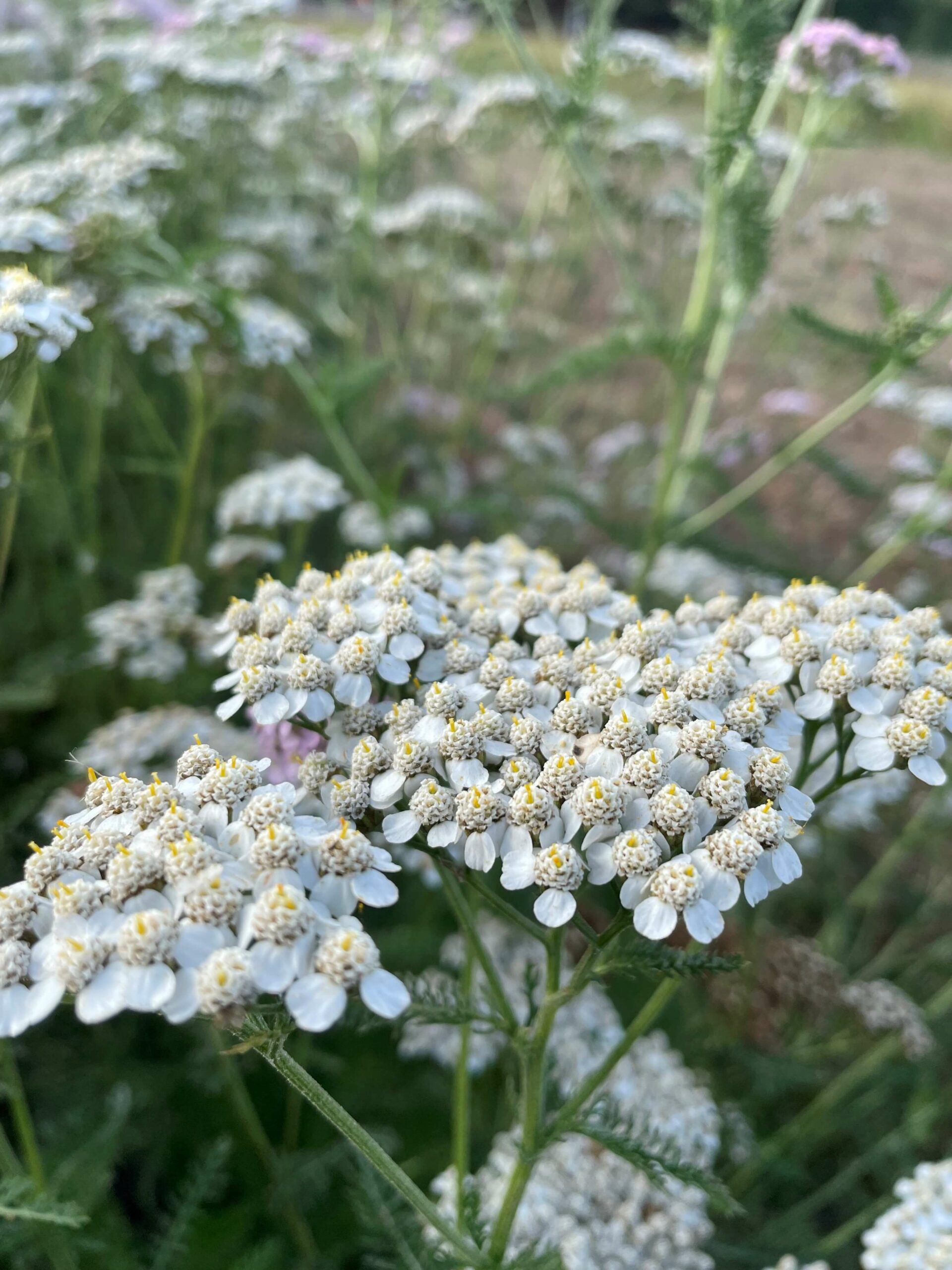
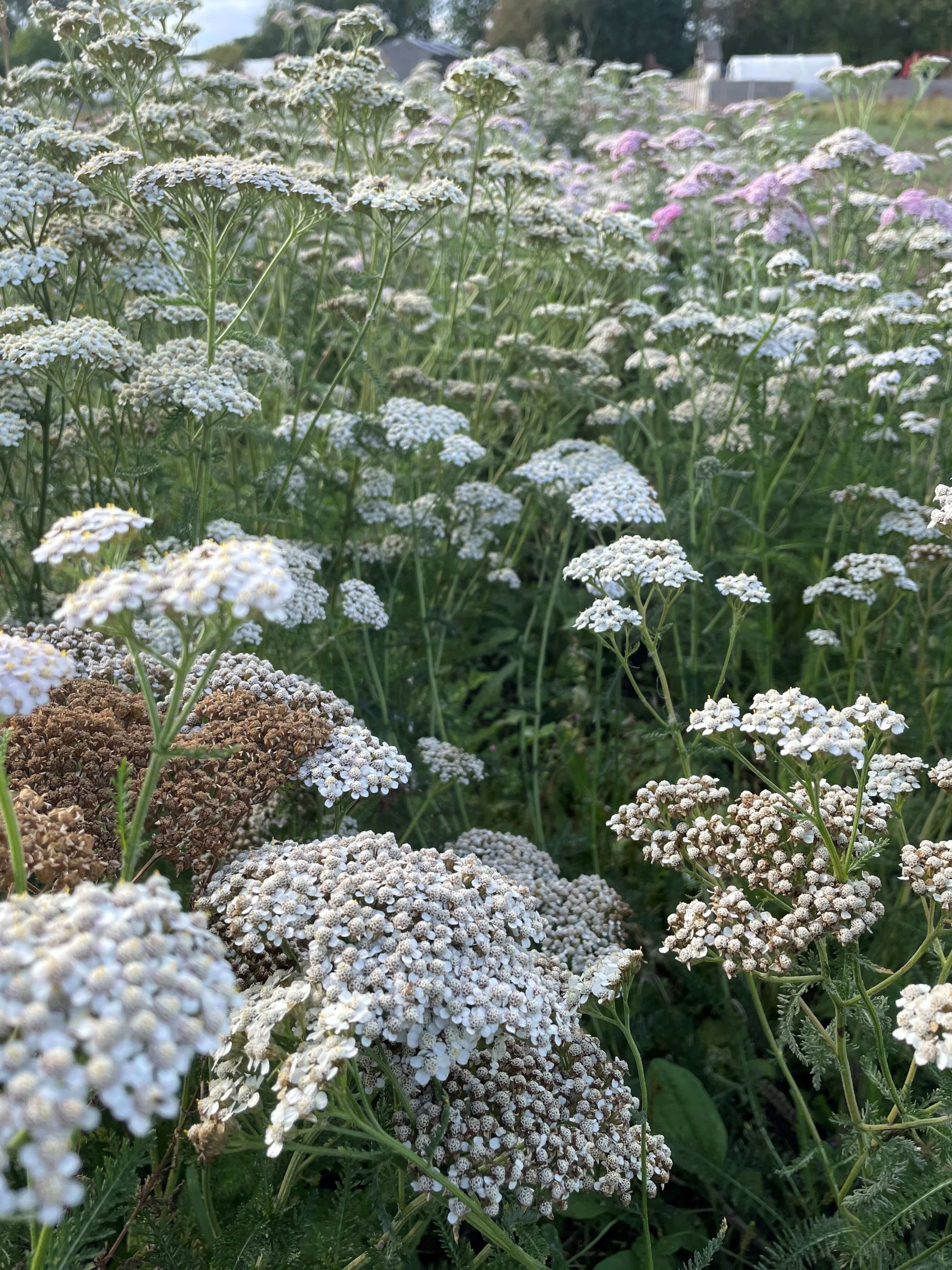
Commonly known as yarrow or common yarrow it is a common herb of both wet and dry areas, such as roadsides, meadows, fields and coastal places where there’s been disturbed soil. Excellent for both birds and insects. Common Yarrow is a perennial plant found in Europe, Asia, and North America. Often used in landscaping for its attractive flowers and feathery foliage, common yarrow can work in most soil types and has rhizomatous growth form from its root ball, much like a fern. Yarrow plants are beneficial and their basal leaves contain salicylic acid and anti-inflammatory phenol.
Growing to around 2-3 feet tall, Achillea millefolium enjoys well-drained soil in temperate regions and does well throughout the UK. Once established, Achillea millefolium can tolerate dry soils and is relatively drought-tolerant, though prefers well-drained soil conditions. The white flowers create flower clusters with featherlike leaves, and their deep roots help in areas at risk of soil erosion.
Achillea millefolium makes a perfect food plant, albeit a bitter taste, and support a wildlife garden nicely, or in a veggie or fruit patch. A great companion plant for most vegetables, fruits, and herbs. Achillea millefolium attracts aphid-eating insects such as parasitic wasps, ladybirds, and hoverflies that prevent damage to your food source plants.
Available to buy as Achillea millefolium seeds, plugs, and 9cm pots.