
Description
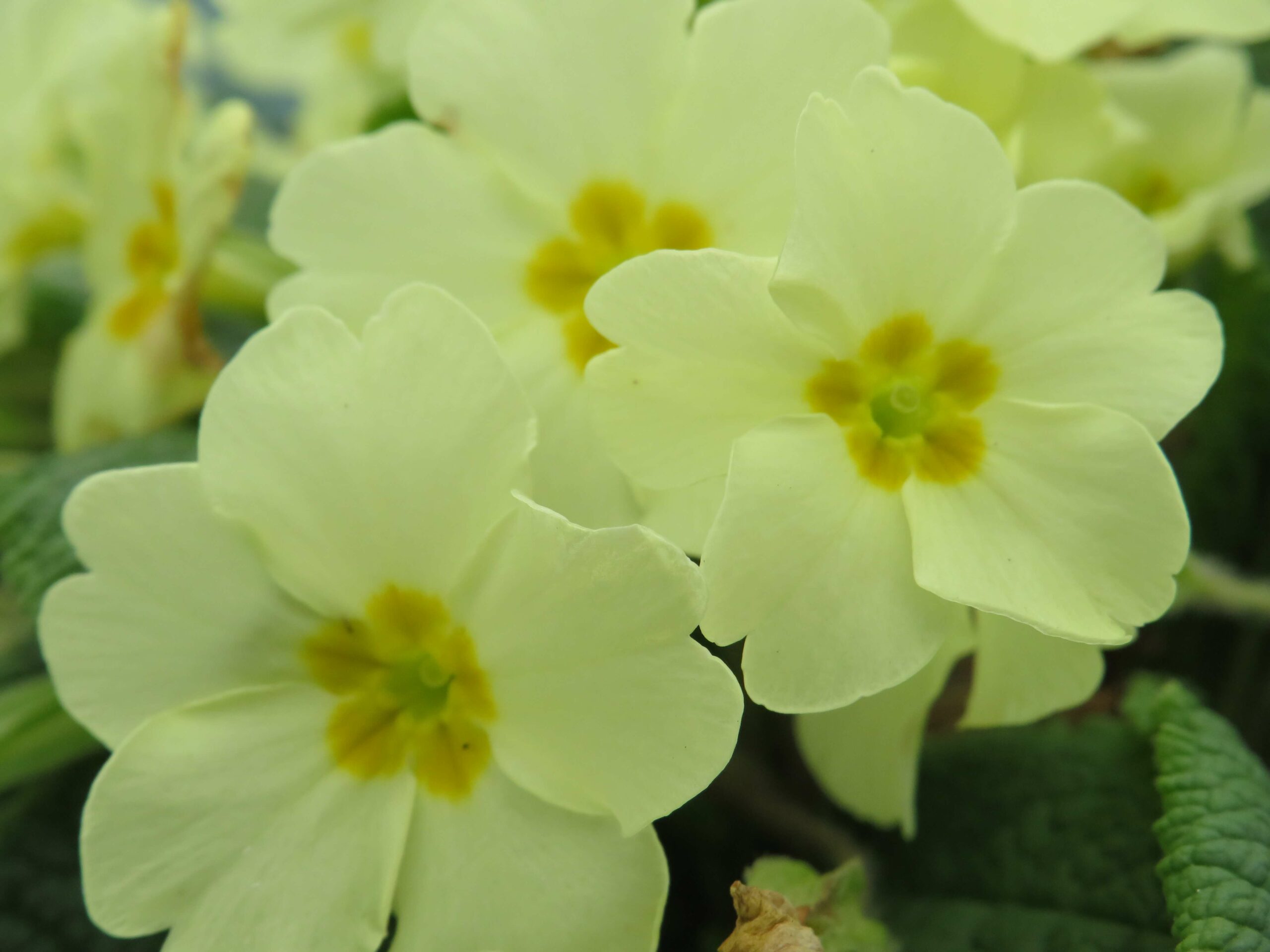
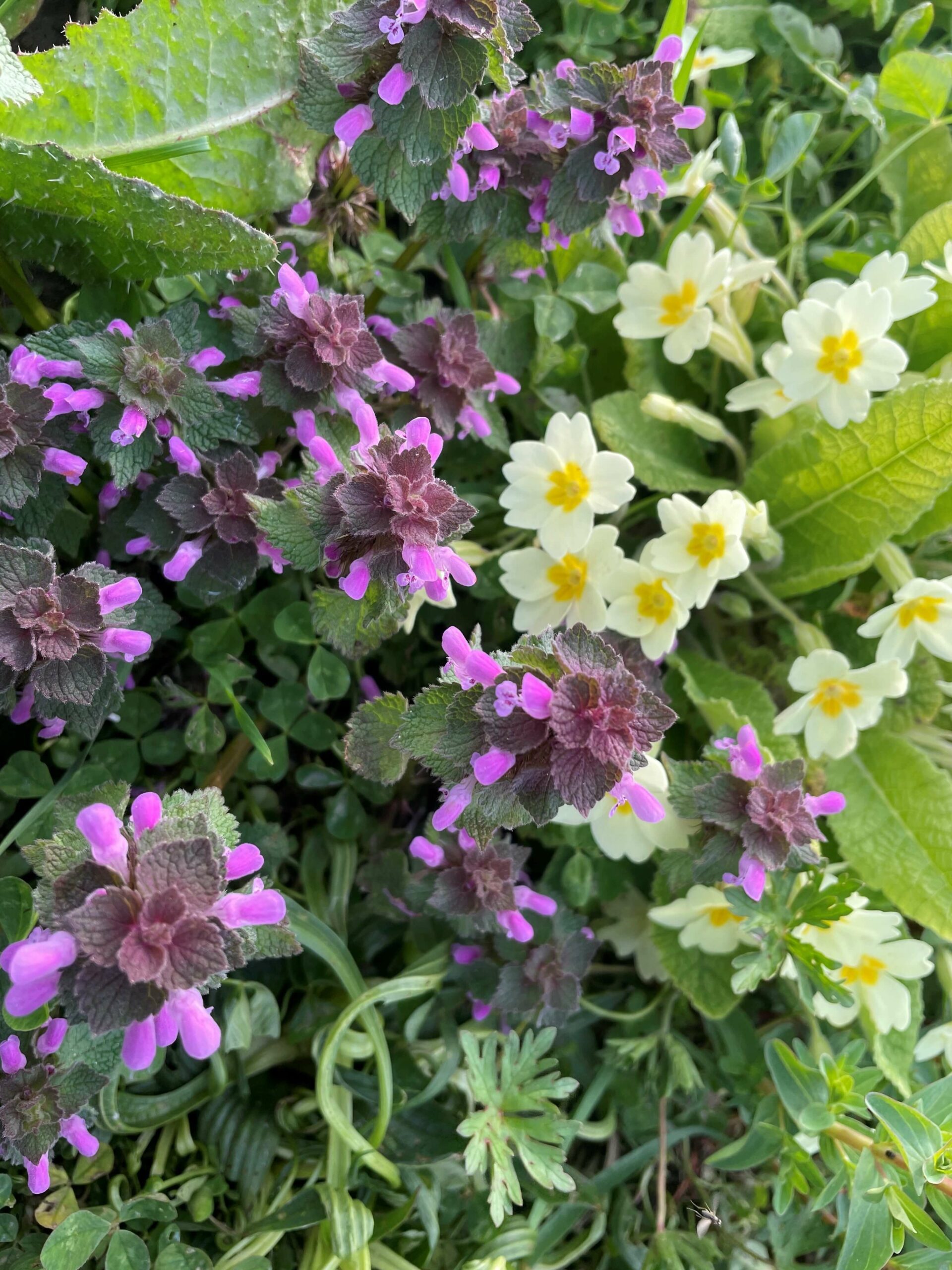
Wild Primrose (Primula vulgaris), also known as the Common Primrose or English Primrose, is one of the most treasured native wildflowers in the United Kingdom. Its cheerful pale yellow flowers are among the earliest signs of spring, bringing colour to woodlands, hedgerows, and gardens during the early spring flowering season.
In the wild, Primula vulgaris thrives in partial shade, favouring moist but well-drained soils. It is commonly found in deciduous woodland, shaded hedgerows, and along stream banks, where it can form gentle carpets of blooms. These hardy herbaceous perennials play an important ecological role, providing an early source of nectar and pollen for bees, butterflies, and other pollinating insects.
Beyond their beauty, primroses have a long cultural history. The young green leaves and flowers are edible and have traditionally been used to make teas, salads, and even primrose wine, adding to the plant’s enduring charm and usefulness.
How to Identify
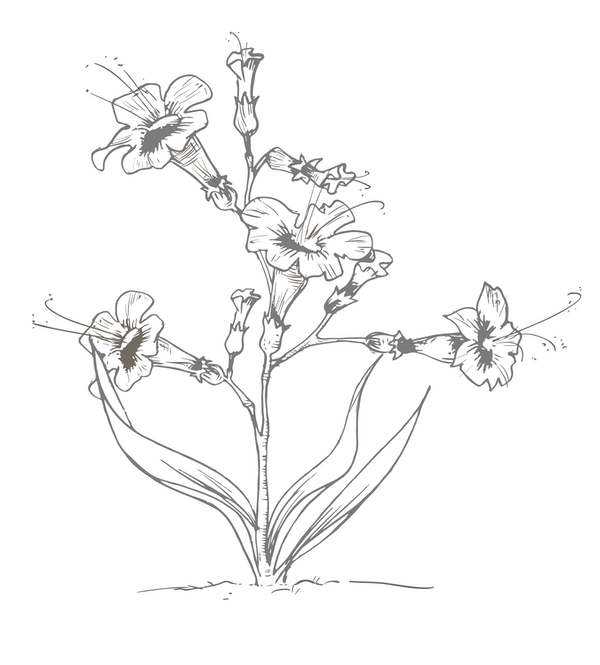
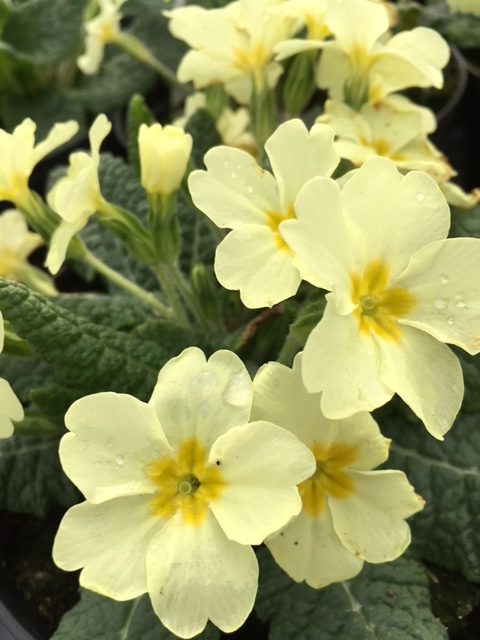
The Common Primrose is a low-growing perennial plant, typically reaching around 10–15cm tall. It forms a neat rosette of crinkled green leaves close to the ground, from which short flower stalks emerge, each carrying a delicate, soft yellow bloom.
The simple five-petalled flowers have a deeper yellow centre and appear from early spring onwards. Wild primroses are most often seen growing in partial shade or light shade, particularly in sheltered, undisturbed areas. Their preference for natural habitats and stable conditions makes them a key species in supporting native plant populations and local biodiversity.
Primroses can sometimes be mistaken for closely related species. Oxlip (Primula elatior) has similar yellow flowers, but these droop to one side on taller stems. Cowslip (Primula veris) is also yellow, but its blooms form in bell-shaped clusters and are usually a deeper orange-yellow. Primrose and cowslip can occasionally hybridise, creating taller, intermediate plants. There are also cultivated garden varieties of primrose, some of which have escaped into the wild, adding further variation.
How to Grow
Primula vulgaris is easy to grow and makes a wonderful addition to informal gardens, cottage borders, and wildlife-friendly spaces. It performs best in partial shade, although it can tolerate full sun if the soil remains reliably moist.
Plant primroses in moderately fertile, moist, well-drained soil for the best results. Once established, these reliable herbaceous perennials require little maintenance and will often self-seed gently, creating natural drifts over time.
Their early blooms make them ideal for brightening shady corners and supporting pollinators at the start of the year. Whether planted beneath trees, along pathways, or in naturalistic borders, the Wild Primrose is a timeless favourite that brings classic spring colour and valuable wildlife benefits to any garden.