
Description
The common cowslip (Primula veris) is one of the UK’s most cherished spring flowers. From April to June, its clusters of soft yellow, bell-shaped flowers brighten up meadows, grasslands, and woodland edges. Once widespread across the British countryside, this native perennial has declined due to changing land use, but it remains a much-loved sight in traditional wildflower habitats.
Closely related to the oxlip (Primula elatior), the cowslip has long been linked with folklore and tradition. Known by charming old names such as Herb Peter, Key Flower, Key of Heaven, and Fairy Cups, it was traditionally gathered for May Day celebrations and scattered along church paths. The plant is also valued for its fragrant blooms, which have historically been used to make cowslip wine.
Cowslips are an important early source of nectar for bees, butterflies, and other pollinating insects, making them a valuable addition to any wildlife garden or wildflower meadow.
How to Identify
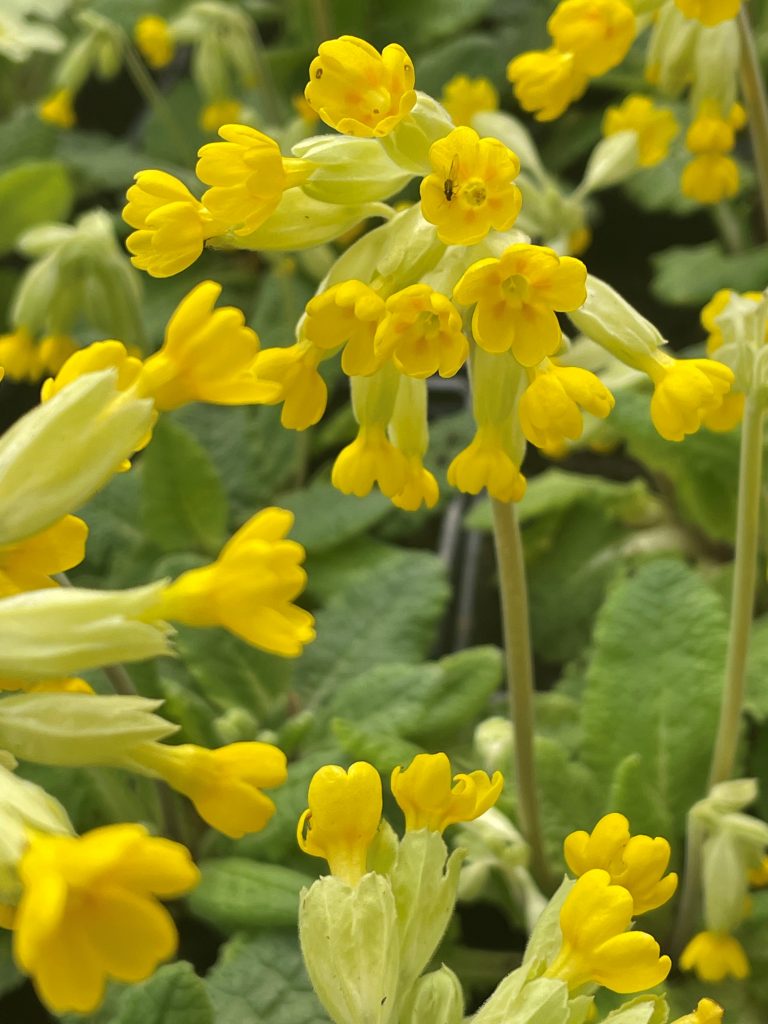
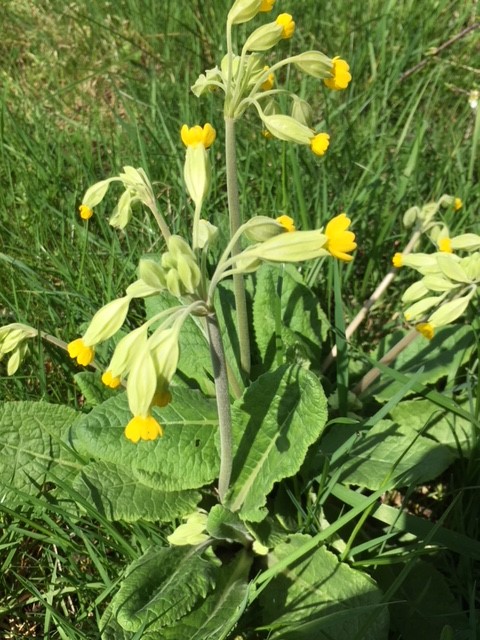
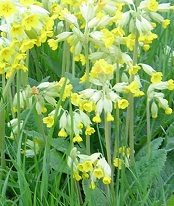
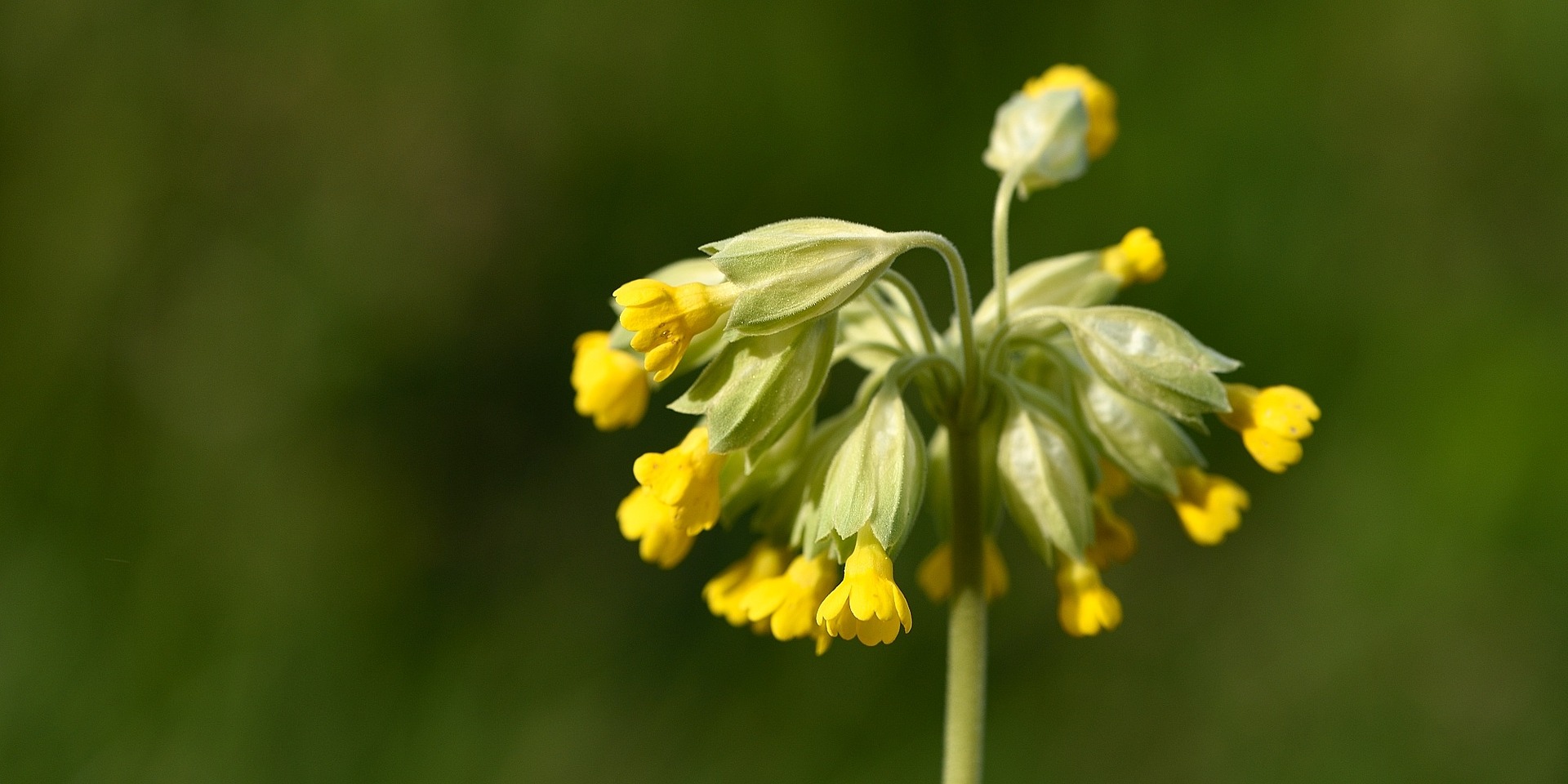
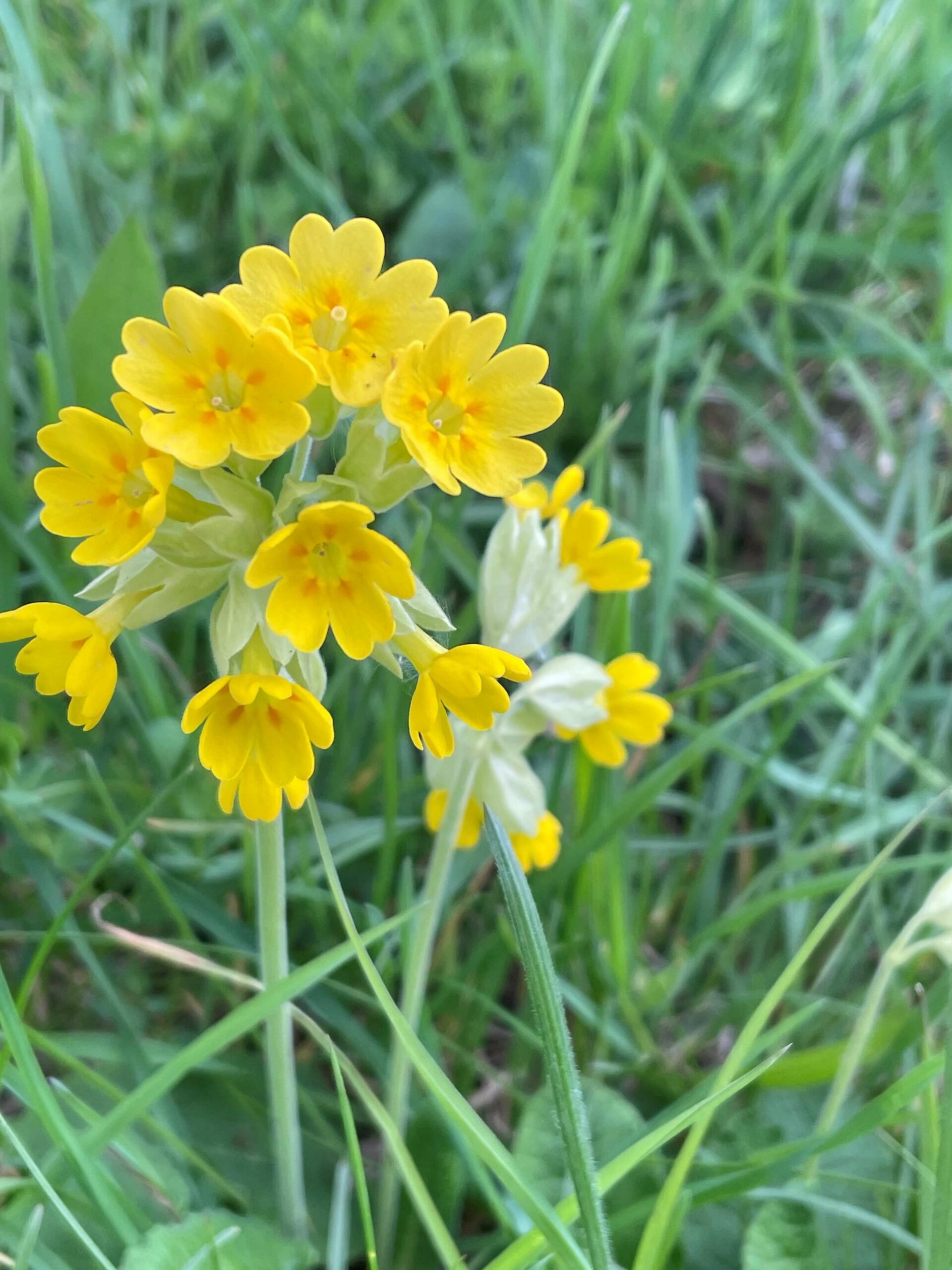
Cowslips form a low rosette of soft, green leaves close to the ground. In spring, stout stems rise above the foliage, carrying drooping clusters of pale to deep yellow flowers. Each bloom is small and tubular with a darker orange centre, creating the plant’s distinctive nodding appearance.
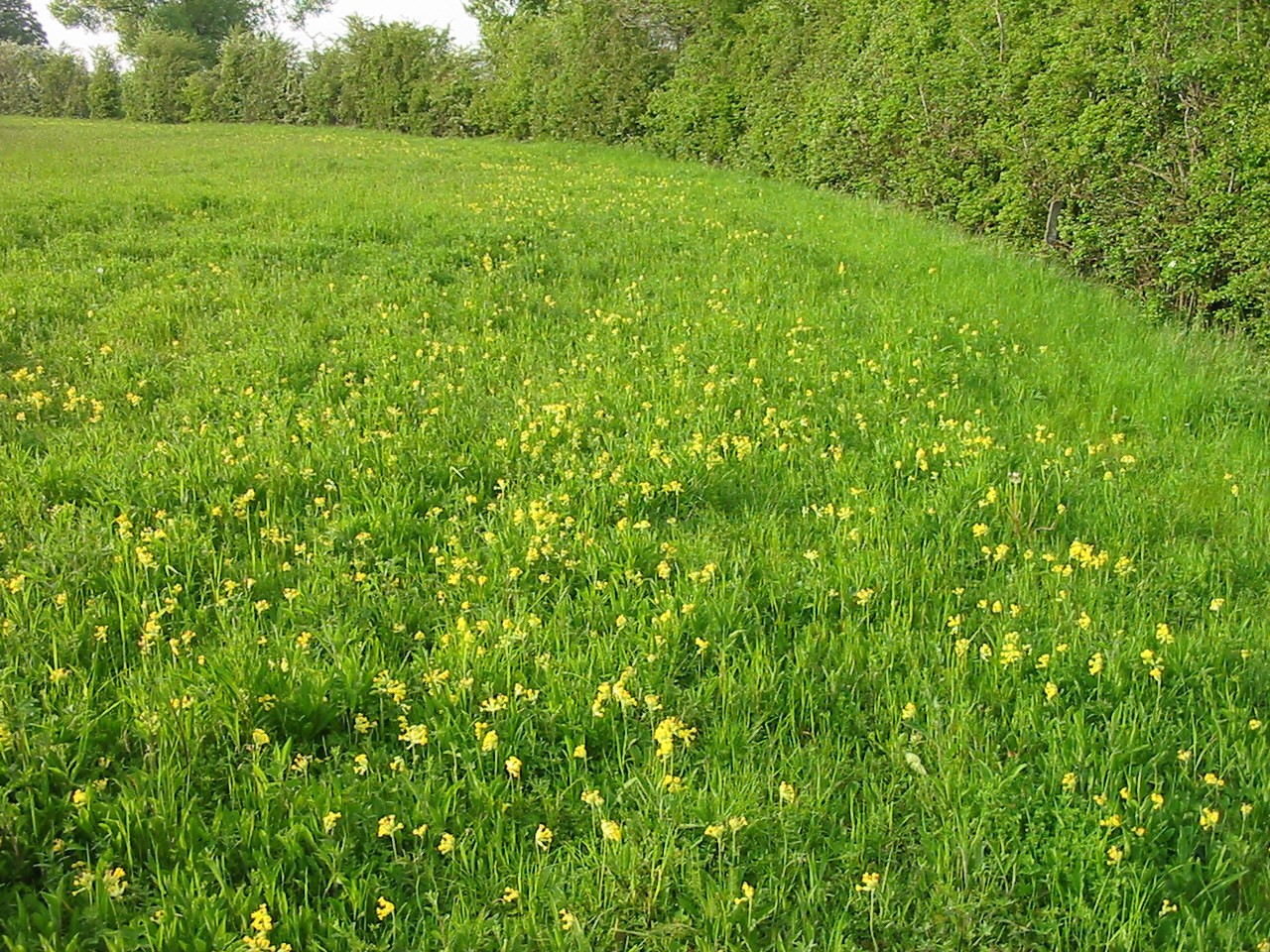
They are most commonly found in grassy banks, woodland floors, roadside verges, and open countryside. Their gentle fragrance and bright colour make them easy to recognise during the main flowering season.
How to Grow
Cowslips grow best in moist, well-drained soil in full sun or partial shade. They prefer slightly alkaline or chalky soils and will thrive in conditions similar to their natural meadow habitat.
Seeds can be sown in autumn or spring, and once established, plants will often self-seed to form natural drifts. Ideal for wildlife gardens, flower borders, and planting schemes, cowslips require very little maintenance beyond occasional scrub clearance to prevent overcrowding.