
Description
Wild pear (Pyrus communis), also known as European pear, is a deciduous tree that is commonly found along woodland edges, hedgerows, and open countryside. Although often regarded as a native British tree, it is thought to have originated in parts of Asia, including China, and has been present in the British Isles for thousands of years, becoming well established in the landscape.
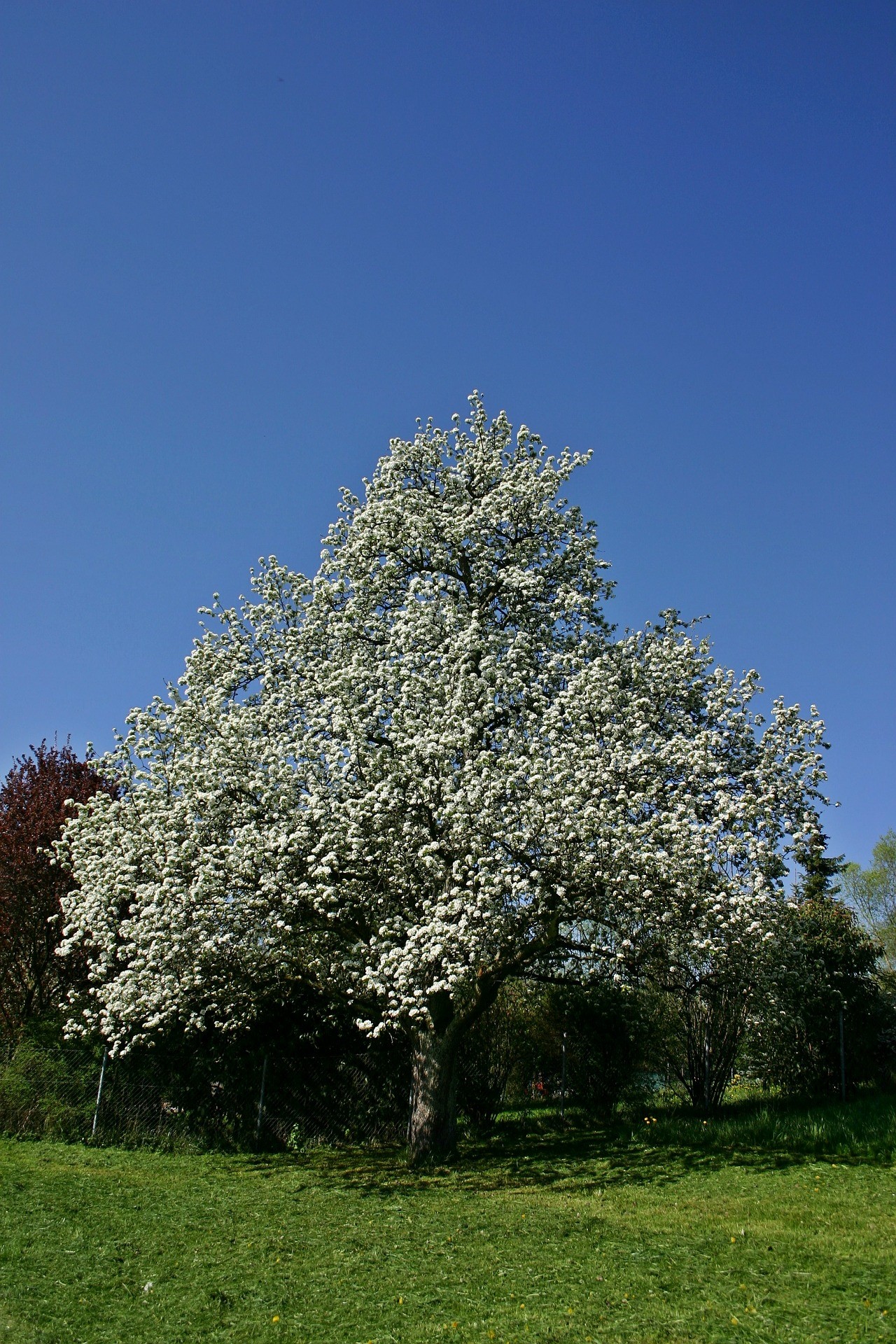
Wild pear is highly valuable for wildlife. In spring, its abundant white blossom attracts pollinating insects such as bumblebees and solitary bees. As the year progresses, the small green fruits provide a food source for birds and mammals in autumn, while the tree itself offers shelter and nesting opportunities. Wild pear is also a favoured host for mistletoe, adding further ecological interest.
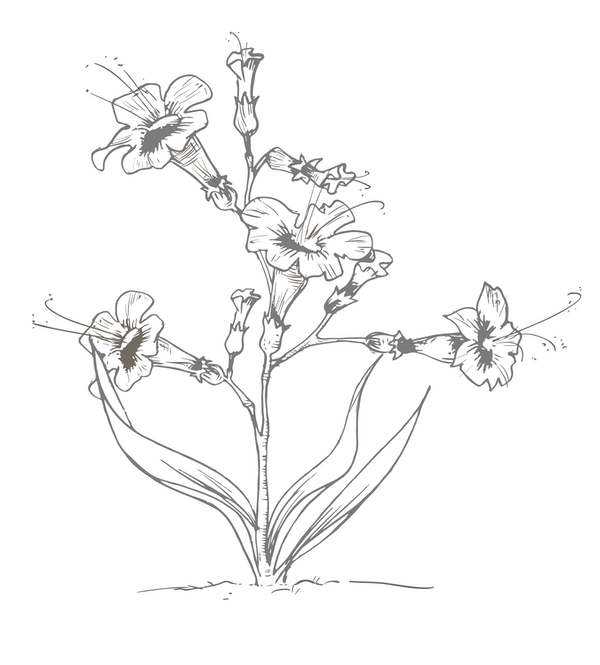
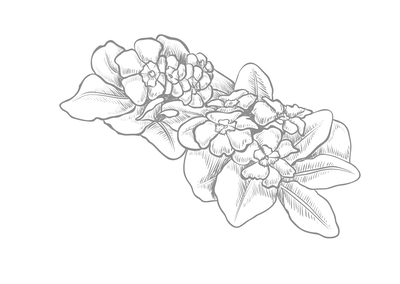
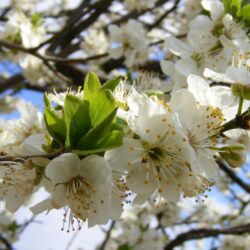
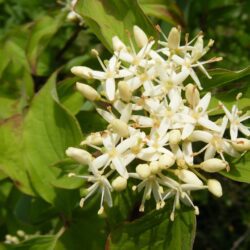
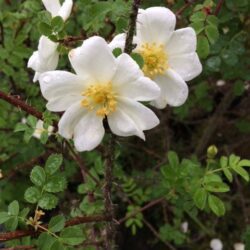
In spring, wild pear produces masses of large, five-petalled white flowers, creating a striking display. These are followed by small, edible fruits later in the year. The fruits are typically pear-shaped or rounded and resemble small pears, giving the tree its common name.
How to Identify
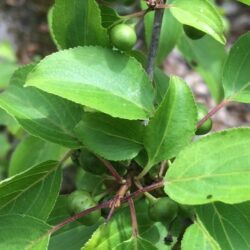
Wild pear can be recognised by its glossy, dark green leaves, which grow up to around 10 cm long. In autumn, the foliage turns attractive shades of gold and orange. The bark is grey-brown and becomes cracked into irregular square plates as the tree matures. Some trees may also have occasional thorny branches, particularly on younger growth.
How to Grow
Wild pear prefers a sunny, open position and grows well in a range of soil types, provided they are well-drained. Once established, it is relatively low maintenance. Prune only where necessary to remove dead, damaged or crossing branches, ideally during winter while the tree is dormant. Light pruning can also be used to encourage a more open, balanced shape.