
Description
White willow (Salix alba) is a large, fast-growing deciduous tree best known for its graceful form and distinctive silvery foliage. Often seen along rivers, lakes and floodplains, this impressive willow tree thrives in wet conditions and plays an important role in stabilising banks and supporting wildlife.
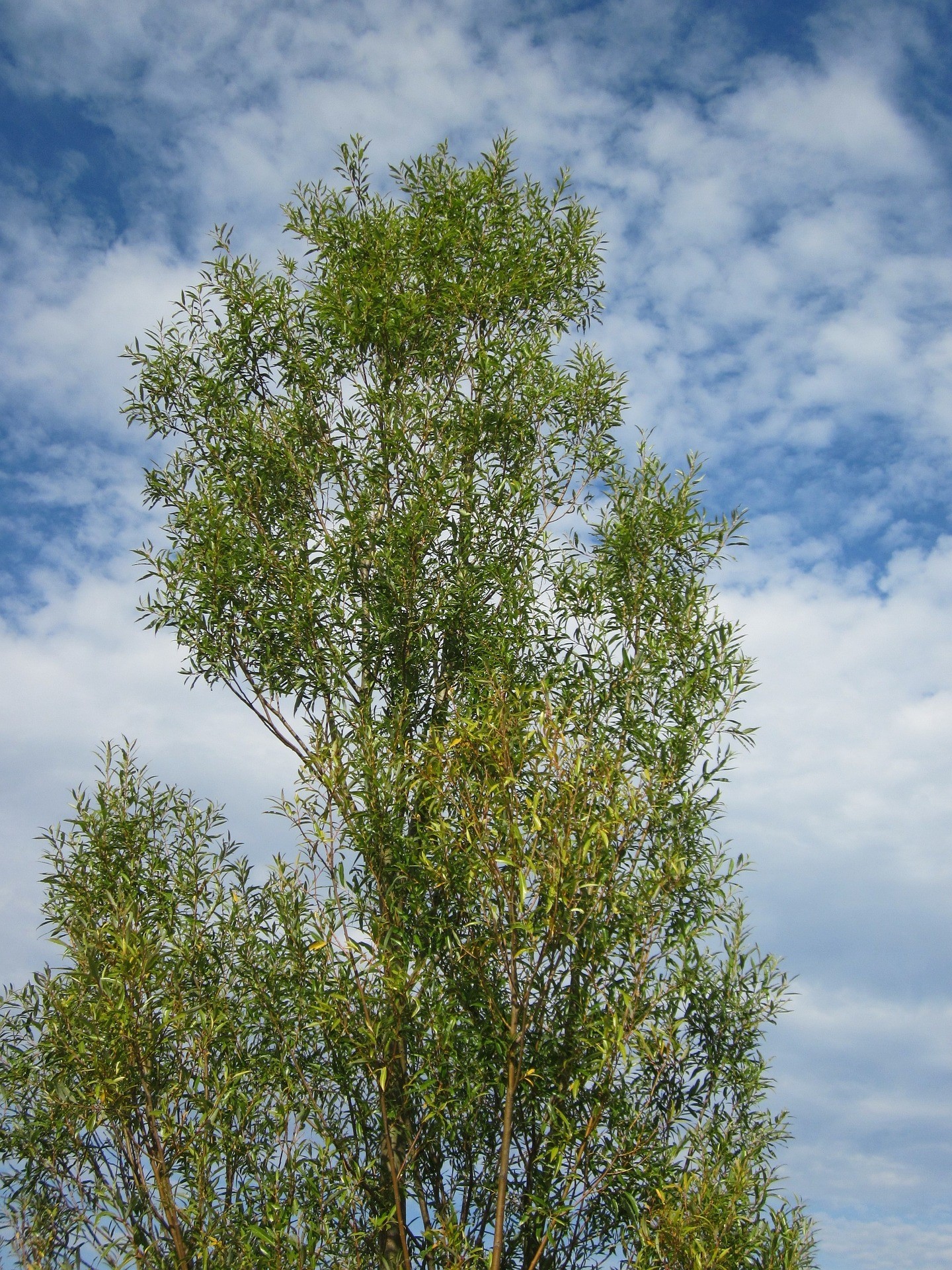
Reaching a mature height of up to 25 metres, white willow trees develop a broad, often leaning crown.
Although not classed as a fully native British tree, it has been present in the UK for centuries and is now a familiar feature of wet woodlands, river valleys, and waterside planting schemes.
White willow supports a wide range of insect species. Its leaves provide food for caterpillars such as the puss moth, willow ermine, eyed hawk-moth and red underwing, while its branches offer valuable nesting sites for birds. Historically, willow bark was used for pain relief, forming the basis of traditional remedies and modern aspirin.
How to Identify
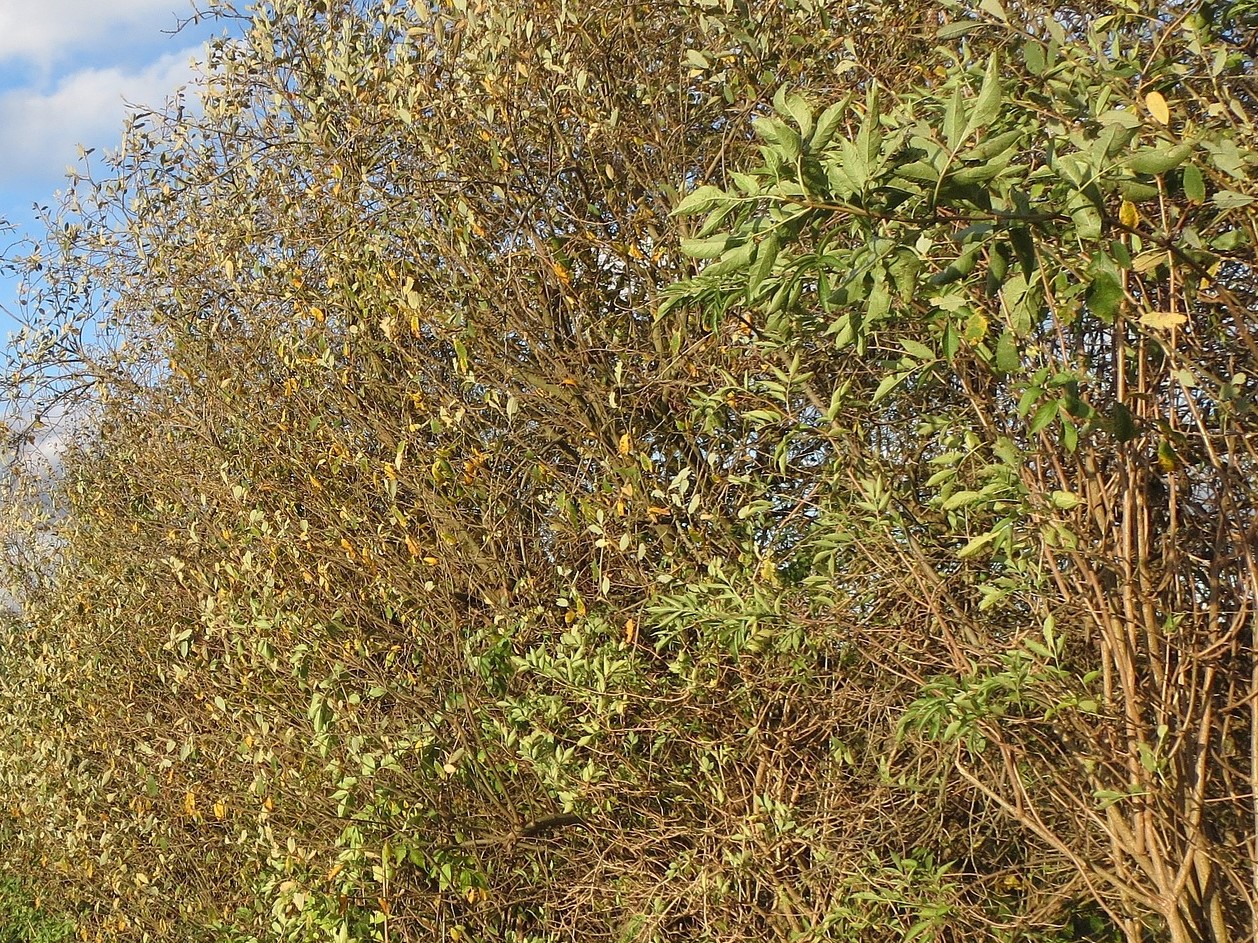
White willow is easily recognised by its narrow, lance-shaped leaves with a soft, silky texture. When young, the leaves are hairy on both sides. Once they mature, they remain downy underneath, creating the tree’s characteristic pale, shimmering appearance.
The bark is grey-brown and becomes deeply fissured with age. Twigs are slender and flexible. In early spring, catkins appear before or alongside the leaves.
White willow is dioecious, meaning male and female flowers grow on separate trees. After pollination, female catkins develop fluffy seed heads that disperse by wind.
How to Grow
White willow grows best in full sun and is ideally suited to waterlogged soil and damp ground where many other trees struggle. It is an excellent choice for waterside planting, wet woodland creation, and wildlife-friendly gardens with space to accommodate its size.
This species has a rapid growth rate and establishes well when planted as bare root or cell-grown saplings during the dormant season. Once established, it requires minimal plant care.
Pruning is rarely necessary, but if required should be done in late winter to remove damaged or crossing branches. Like many willows, white willow can be coppiced if managed regularly, encouraging fresh growth and maintaining a more compact form.