 My Account
 Basket




Description
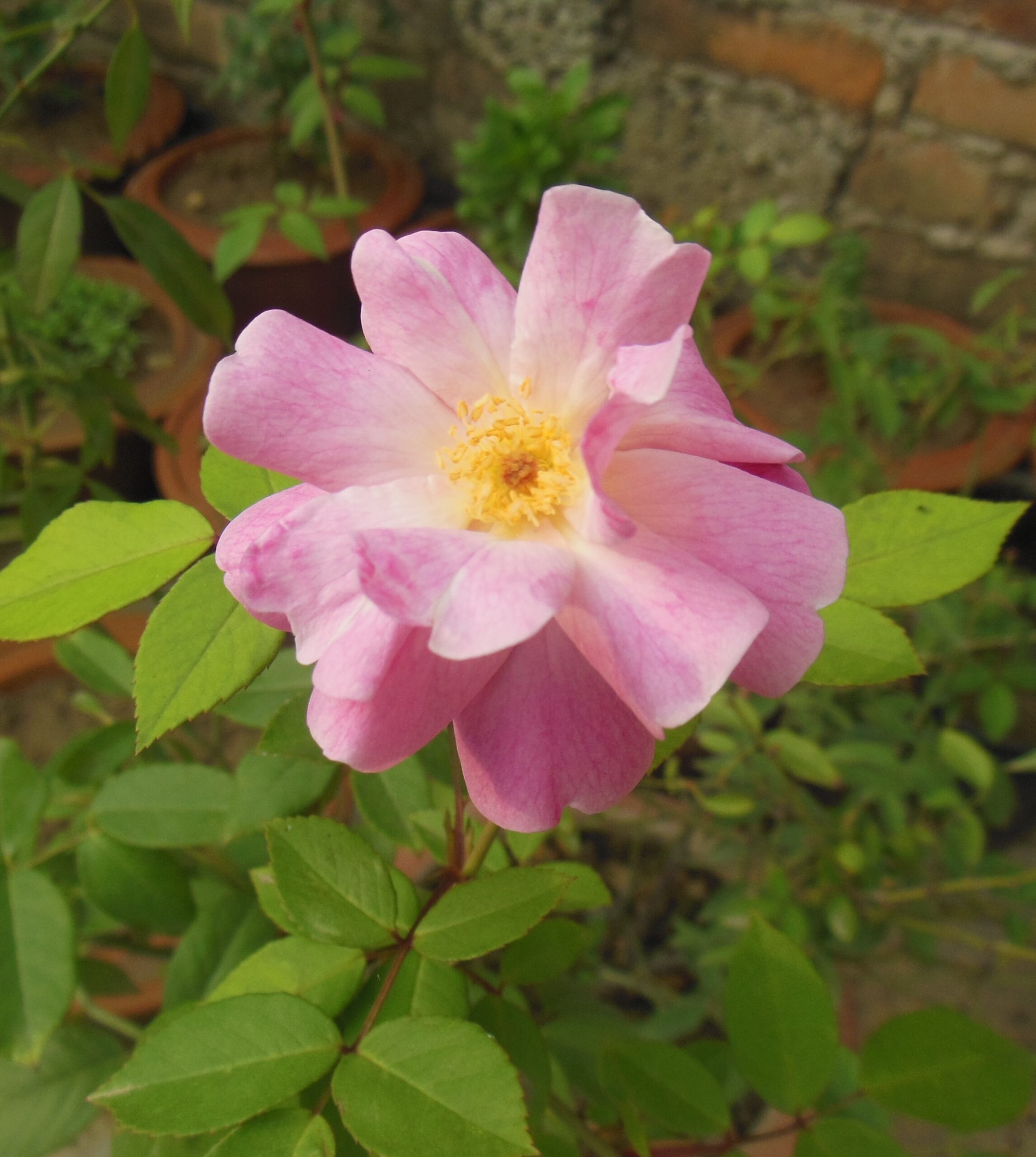
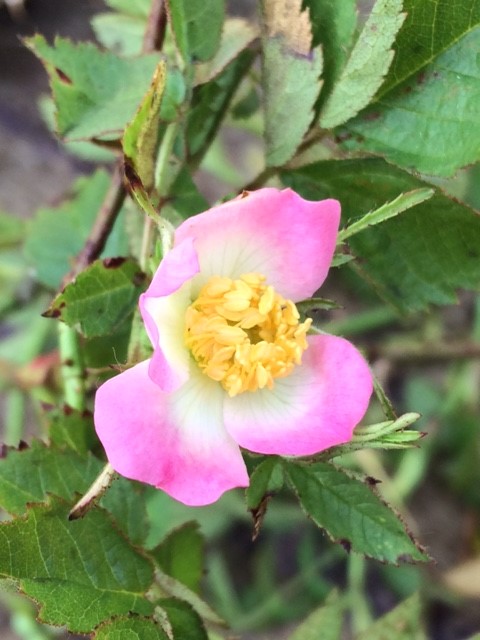
Known the common names sweet briar, sweetbriar rose, sweet brier, briar rose, or eglantine. The Sweet Briar Rose is a dense deciduous shrub 2–3 m high and across, with the stems bearing numerous hooked prickles. The foliage has a strong apple-like fragrance.
In addition to its pink flowers, it is valued for its scent, and the hips that form after the flowers will persist well into the winter. The tea made from the hips of this rose is very popular in Europe and elsewhere, where it is considered a healthy way for people to get their daily dose of vitamin C and other nutrients. A cup of rose hip tea will provide the minimum daily adult requirement of vitamin C. During World War II the British relied on rose hips and hops as the sources for their vitamins A and C. With food being in short supply, wild flowers like the briar rose could be relied upon for nutrition. It was a common British wartime expression to say that: “We are getting by on our hips and hops”.