
Common Alder

Bareroot

Alnus glutinosa. Bareroot Whips of between 60 and 80 cm in height. Uk Grown

Dispatched November-March 2026/2027

Out of Stock
Would you like us to let you know when it’s back in stock?
Error:

Out of stock

Latin Name: Alnus glutinosa

Common Name(s): Common Alder, Black Alder

Plant Type: Perennial

Habitat: Damp, Full Shade, Part Shade

Colour:

Brown

Flowering Time:

March - April

SKU: NS-116 Categories: , , , , , , ,

Description

Common alder (Alnus glutinosa) is a medium-sized deciduous tree native to much of Europe and strongly associated with wet landscapes. It naturally grows along riverbanks, ponds and lakes, and thrives in damp ground such as wetland areas, wet woodlands and river banks. Its extensive root system helps bind soil together, making it particularly valuable for stabilising banks and reducing erosion in waterlogged areas.

Common alder plays an important role in supporting wildlife. Alder leaves provide food for the caterpillars of several moth species, including alder kitten, pebble hook-tip and blue-bordered carpet moth. The catkins offer an early source of pollen for insects, while the small seeds are eaten by birds such as siskins and goldfinches, especially during winter.

How to Identify

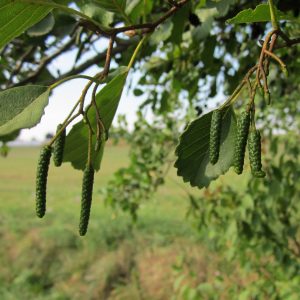
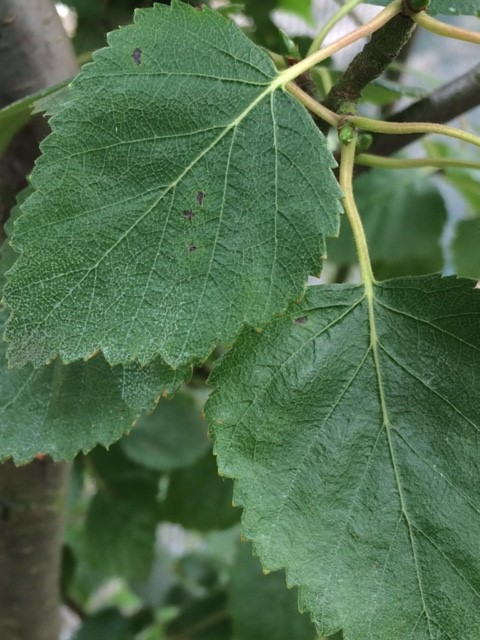
Black alder has dark green, leathery leaves with serrated edges and a distinctive blunt or indented tip, setting it apart from many other native trees. Buds are grey-purple and borne on long stalks. In early spring, alder produces catkins, with both male and female flowers found on the same tree. The male catkins are long, pendulous and yellow, while the female catkins are shorter and upright, starting red before turning green and later brown.

After pollination, the female catkins develop into small, cone-like fruits that persist through winter. These gradually open to release seeds, which are dispersed by wind, water and wildlife.

How to Grow

Common alder is easy to grow and requires very little maintenance or pruning. It is best suited to moisture-retentive or wet soils and performs particularly well in wildlife gardens, wet meadows, riverside planting and natural hedging schemes. Its tolerance of damp, nutrient-rich soil types makes it an excellent choice for challenging, waterlogged sites.

Additional information

Option

Habitat

, ,

Plant Type

Natural Dye

, , ,

Country of Origin

GB

Flowering Time

March, April

Colour