
Description
Spindle bush (Euonymus europaeus), also known as the European spindle tree or spindle tree, is a hardy deciduous shrub native to the UK. It is widely planted as an ornamental plant for its striking autumn colours and strong seasonal interest.
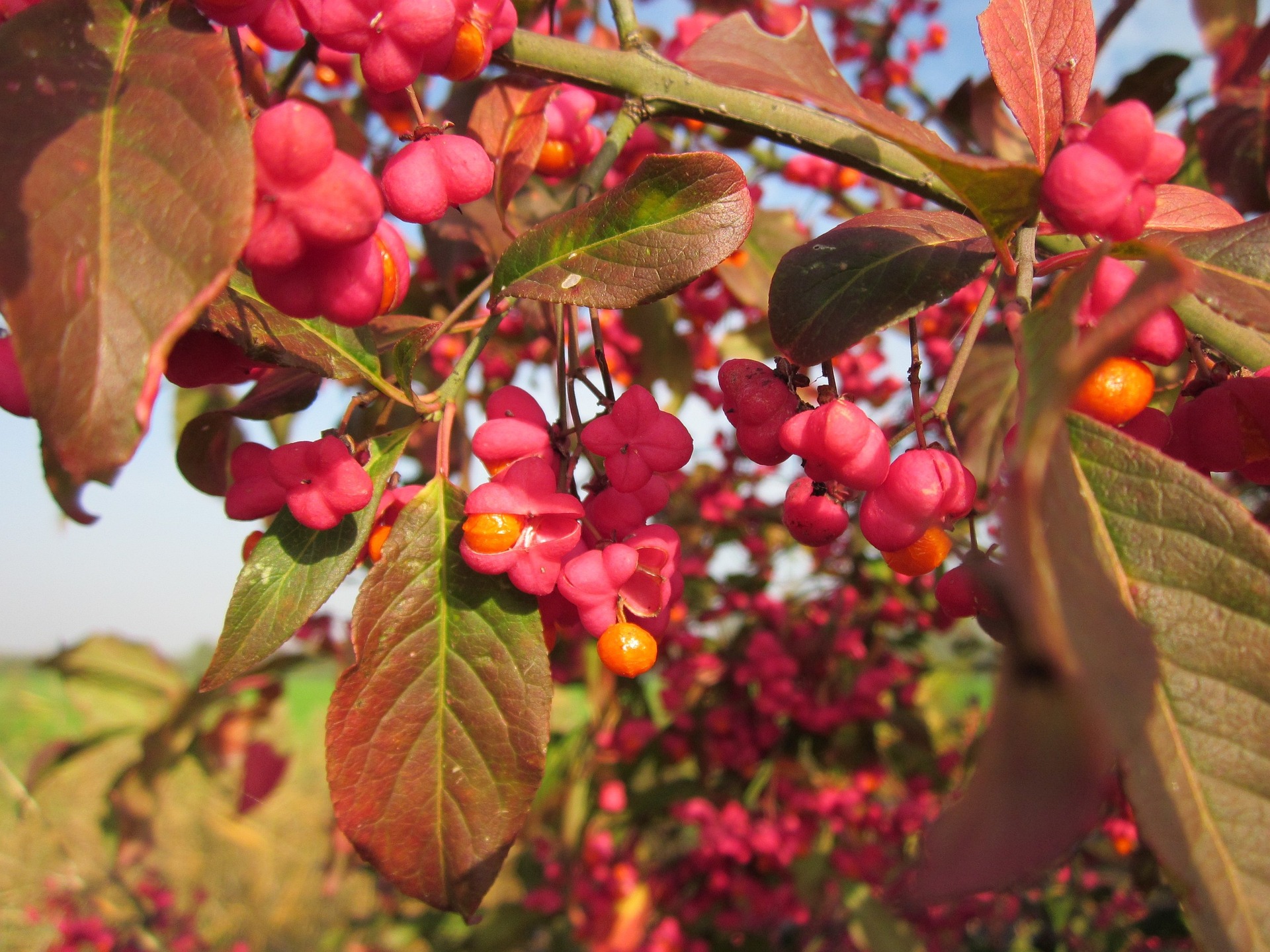
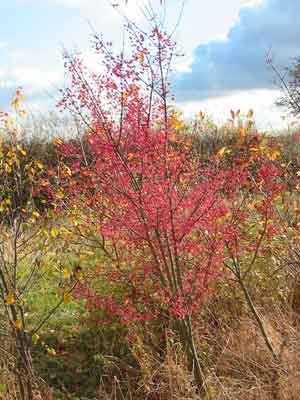
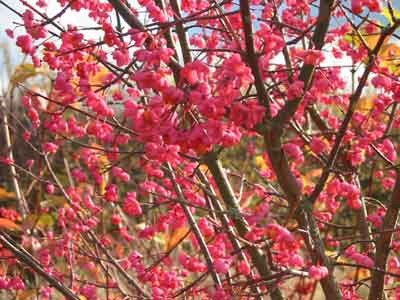
During autumn, the deep green leaves develop into vivid reds and purples, creating eye-catching autumn foliage. During the same time, pink fruits develop, opening to reveal bright orange seeds, making spindle bush one of the most recognisable native bushes in hedgerows and woodland edges.
Spindle bush is well suited to gardens, parks, and native planting schemes, where it provides colour, structure, and wildlife value. While highly attractive, the fruits are toxic if ingested and should not be consumed by humans. It is recommended to plant away from areas where children play.
How To Identify
In late spring, usually May to June, spindle bushes produce small, greenish-yellow flowers. Though subtle in appearance, they are rich in nectar and attract a wide range of pollinating insects, supporting beneficial insects and contributing to wildlife-friendly planting.
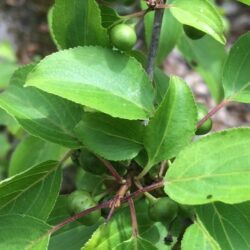
Following flowering, the plant forms distinctive seed capsules, also known as capsular fruit. These develop into bright pink capsules that split open to reveal vivid orange fruits, which are particularly valued by birds. Spindle is also a known food plant for the holly blue butterfly and spindle ermine moth.
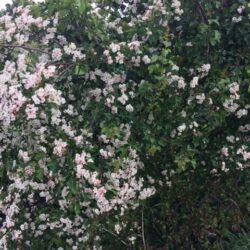
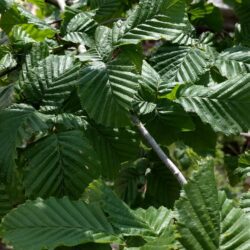
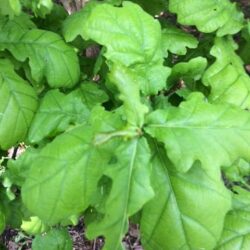
When in leaf, spindle bush can sometimes be mistaken for dogwood (Cornus sanguinea), though spindle’s autumn fruiting display is a key distinguishing feature.
How to Grow
Euonymus europaeus grows well across a wide range of soil types, provided drainage is reasonable. It thrives in full sun or partial shade, making it a flexible option for many garden positions and planting areas.
Spindle bush is suitable for informal hedging, or as part of mixed hedge plants and native hedging plants. It has a moderate growth rate of around 45cm per year and responds well to light pruning.
Pruning should be carried out during the dormant season to remove damaged or overcrowded growth and maintain a healthy, balanced shape.
If using in as hedge: All species in a wildlife hedge can be cut back or “Coppiced” without harm. In the 1st year after establishment the hedge can be cut back to stimulate growth of the hedge from the base thereafter cut every 2-3 years. If the weather is unsuitable for planting or receiving the hedging, dig a hole and bury the roots of the bunched plants, they can be held like that till planting. After planting it is advantageous to mulch the hedge with lawn mowing or leaf mould to suppress weeds and also be done with plastic or carpet cuts and covered with soil.