
Hornbeam

Bareroot

Carpinus betulus. Bareroot trees of between 60 and 80cm in height. Uk Grown

Dispatched November-March 2026/2027

Out of Stock
Would you like us to let you know when it’s back in stock?
Error:

Out of stock

Latin Name: Carpinus betulus

Common Name(s): Hornbeam

Plant Type: Perennial

Habitat: Full Shade, Part Shade

Colour:

Green, Yellow

Flowering Time:

April - May

SKU: NS-451 Categories: ,

Description

Common hornbeam (Carpinus betulus) is a small to medium-sized deciduous tree native to south-east England, reaching mature heights of up to 32 metres. It is most commonly found in ancient woodland and oak woodland settings and is often chosen as a robust alternative to beech.

Hornbeam trees are valued for their ability to retain dry, copper-coloured leaves through winter, offering structure and a degree of privacy even when not in full leaf. Fresh green catkins appear in spring, followed in late summer and early autumn by clusters of papery, winged nuts. These provide an important food source for wildlife, while the tree’s dense foliage offers shelter and nesting opportunities for birds, mammals, and insects. When grown as hedging, this dense habit can remain effective almost year-round.

How To Identify

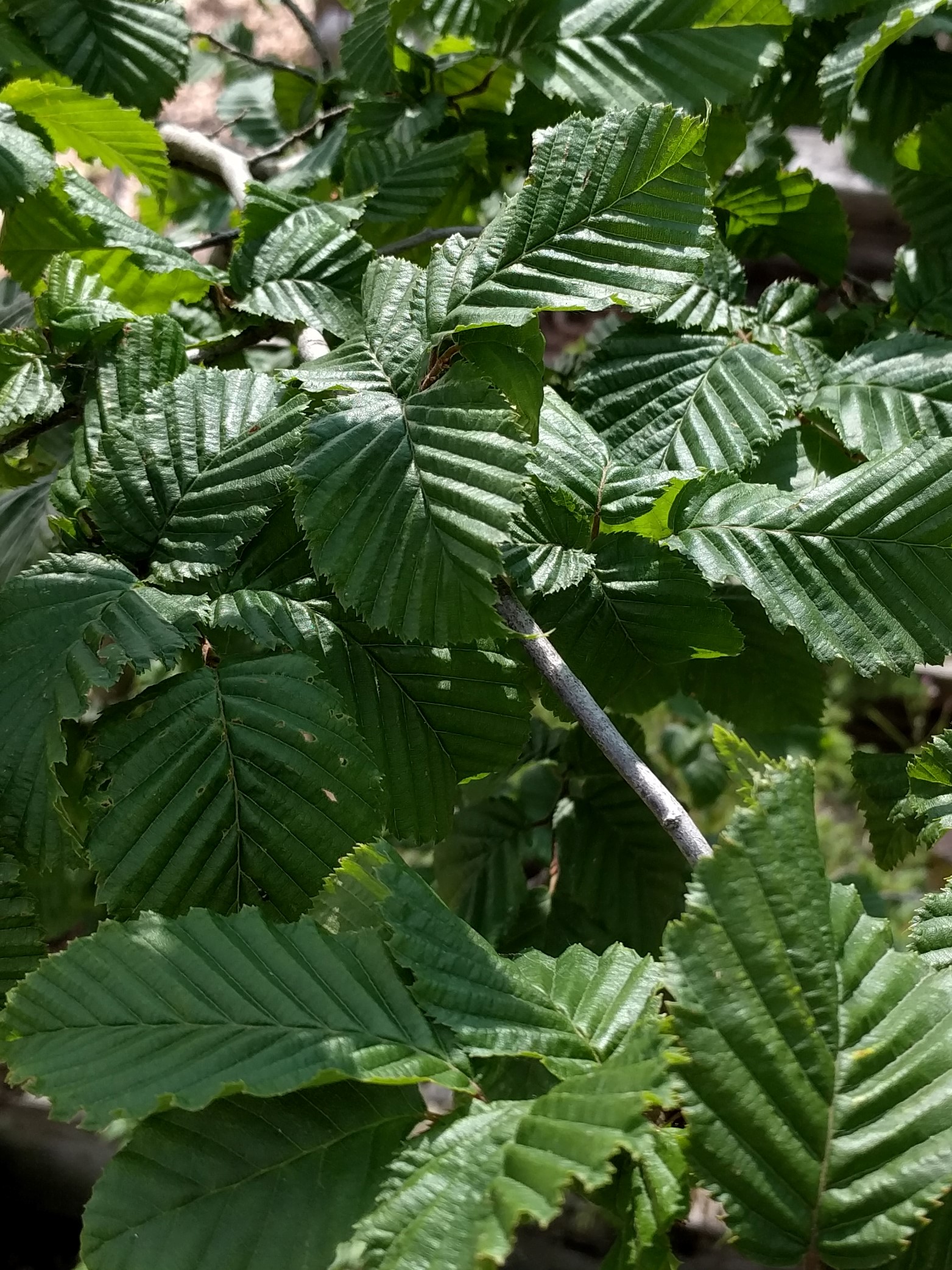
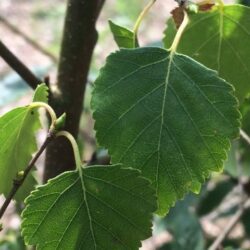
Hornbeam leaves are oval with pointed tips and resemble beech, though they are smaller, more deeply furrowed, and have finely toothed edges rather than smooth, wavy margins. In autumn, the foliage turns golden yellow to orange, with many leaves remaining attached throughout winter.

Hornbeam is monoecious, meaning both male and female catkins are present on the same tree. After wind pollination, the female flowers develop into distinctive green, winged fruits known as samaras.

How to Grow

A hardy and adaptable species, hornbeam grows well in a wide range of soil types, including heavy or poorly drained soils. It thrives in full sun or partial shade and is particularly well suited to windy or exposed sites.

With a moderate growth rate and excellent tolerance of pruning, hornbeam responds well to regular trimming, making it an ideal choice for hedging, screening, and structured planting. Annual pruning helps maintain a neat form and encourages dense, even growth.

If using in as  hedge: All species in a wildlife hedge can be cut back or “Coppiced” without harm. In the 1st year after establishment the hedge can be cut back to stimulate growth of the hedge from the base thereafter cut every 2-3 years. If the weather is unsuitable for planting or receiving the hedging, dig a hole and bury the roots of the bunched plants, they can be held like that till planting. After planting it is advantageous to mulch the hedge with lawn mowing or leaf mould to suppress weeds and also be done with plastic or carpet cuts and covered with soil.
Additional information

Option

Country of Origin

GB

Plant Type

Habitat

,

Flowering Time

April, May

Colour

,