 My Account
 Basket



Description
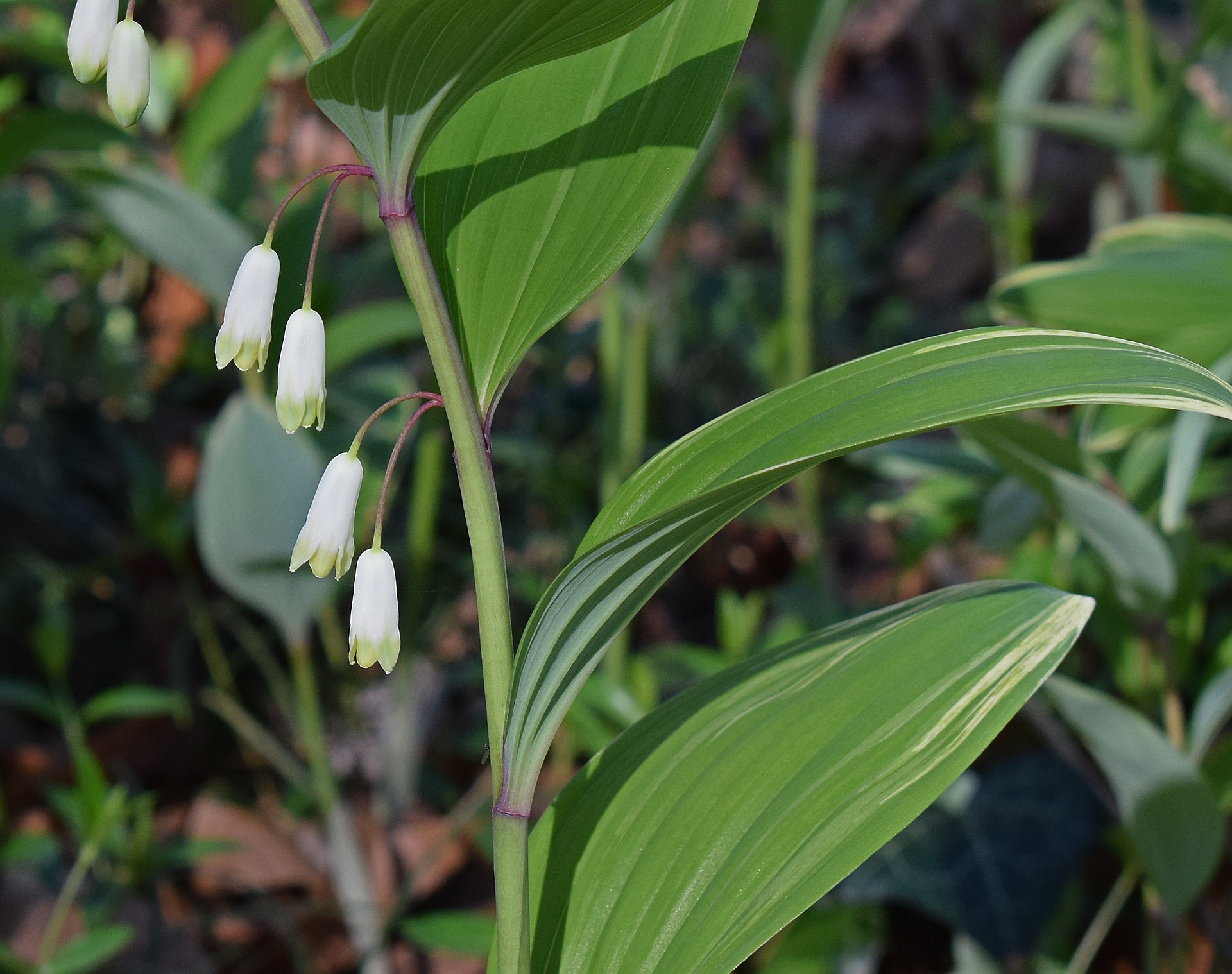
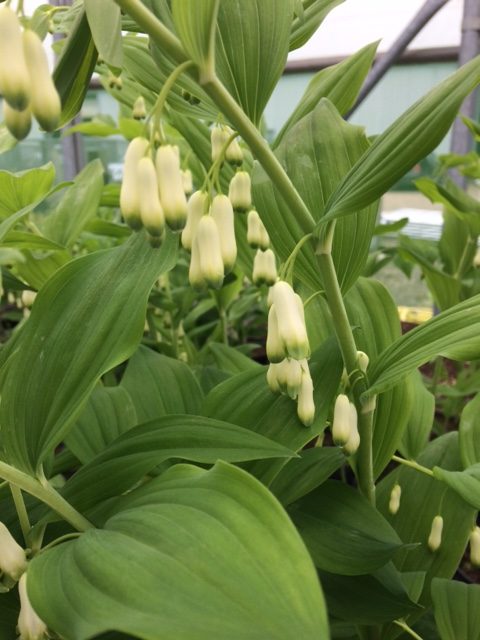
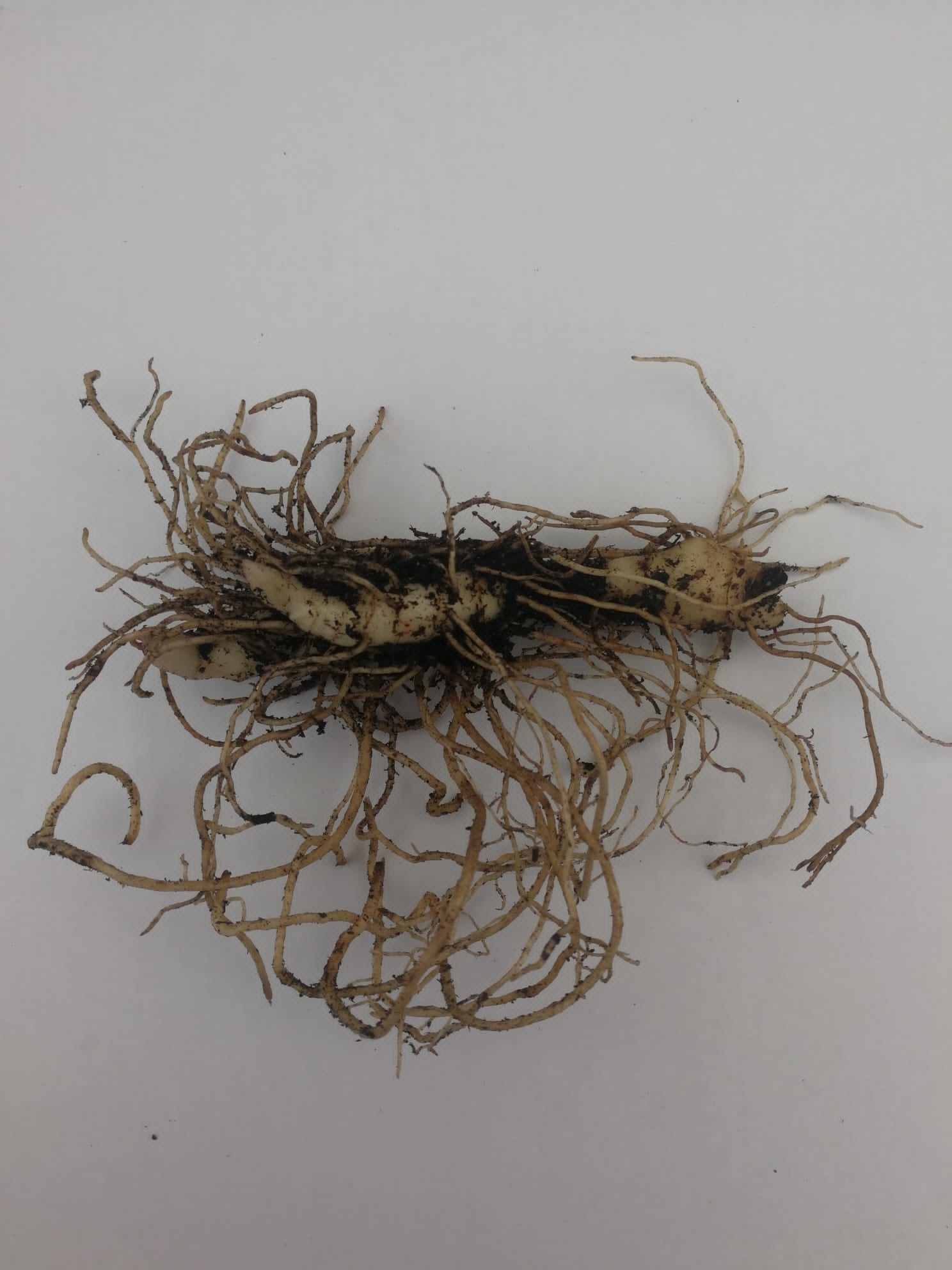
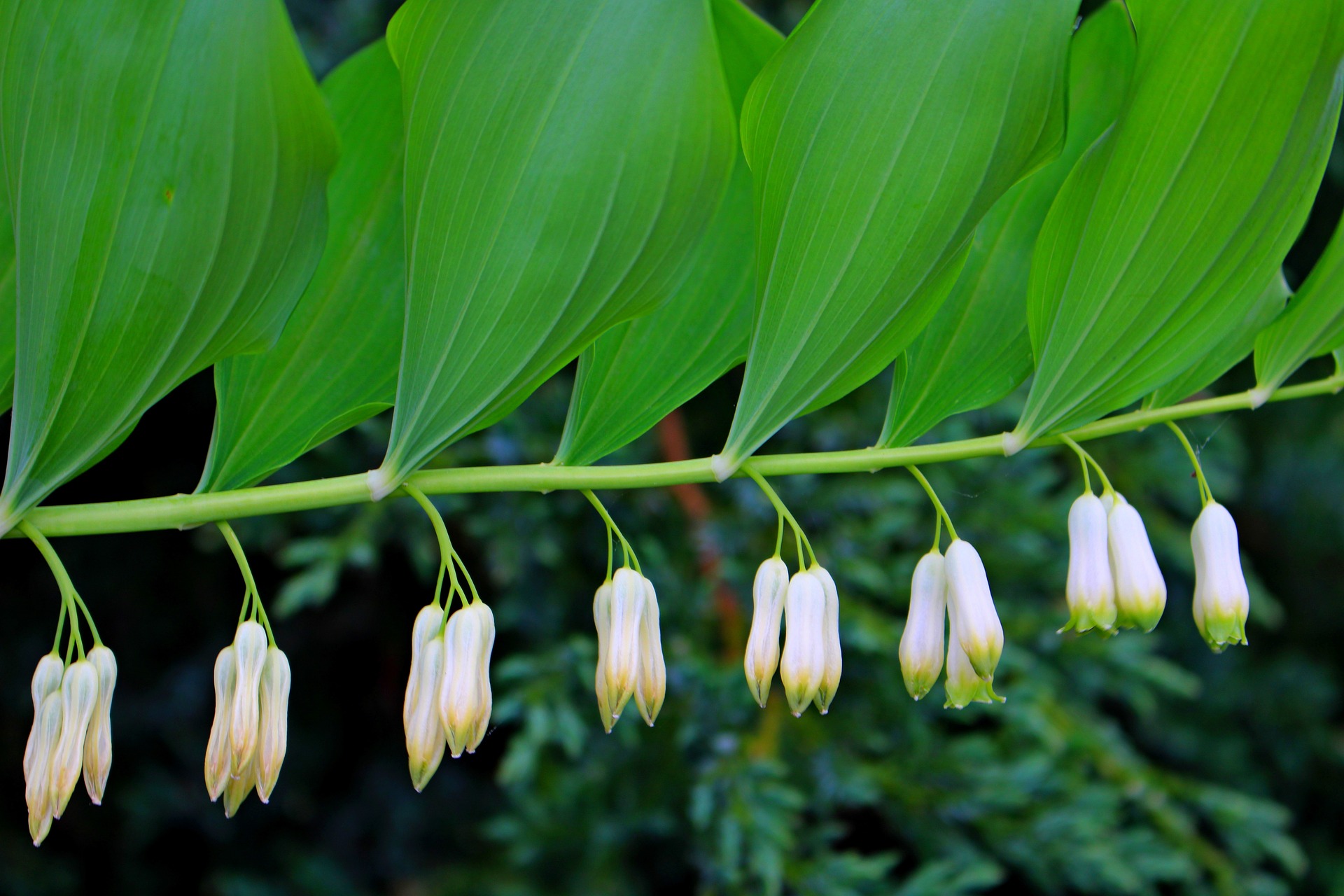
Polygonatum Multiflorum known as the Solomon’s seal, David’s harp, ladder-to-heaven or Eurasian Solomon’s seal, “Polygonatum” comes from the ancient Greek for “many knees”, referring to the multiple jointed rhizome. Flowers late spring to June in partial shade or a woodland setting. Clusters of green-tipped, white flowers with pleated leaves. Grow as a woodland plant in a woodland garden in moist soils for best results. Once the white flowers are spent, black berries begin to form on the underside of the stem. Oval leaves make this a great foliage plant with all year round interest.
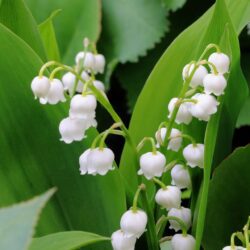
Similar in appearance to Lily Of The Valley, the stem structure being slightly different.
PDF: Planting Instructions Here, These plants either like you or hate you. Try them in different places in your garden. Plant rhizomes 2-3cm (1″) deep horizontally.