 My Account
 Basket



Description
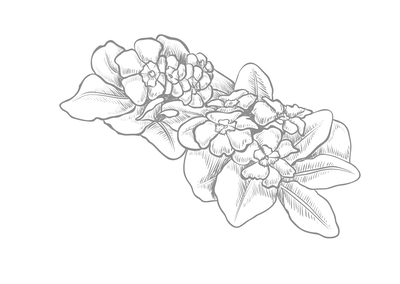
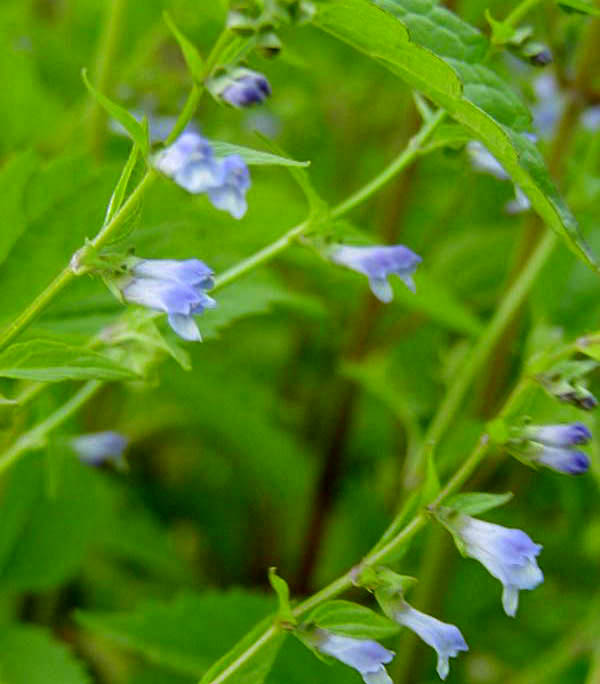
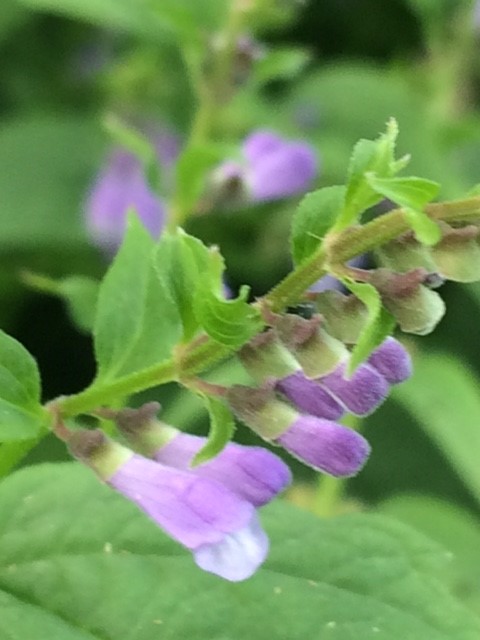
The common skullcap (Scutellaria galericulata), also known as marsh skullcap, american skullcap, or hooded skullcap, belongs to the mint family and is a distinctive wetland-loving species. Found along marshes and shorelines, its preferred habitats include damp meadows and the edges of ponds or streams. This perennial herb is recognised for its unique appearance, featuring spikes of tubular, hooded flowers that can vary in colour from pale blue to violet, creating a picturesque scene in its natural habitat.
Apart from its aesthetic qualities, common skullcap has a rich history of traditional uses. The plant has been employed in herbal medicine, where it is primarily known for its mild anxiolytic properties. The soothing effects of common skullcap make it popular for preparing herbal teas, offering a calming experience. Beyond its traditional uses, the plant is valued for its potential anti-inflammatory and antioxidant properties, contributing to its overall appeal in natural remedies. As a wetland species, common skullcap not only adds biodiversity to aquatic ecosystems but also offers a connection between traditional herbal practices and contemporary herbal medicine.