 My Account
 Basket




Description
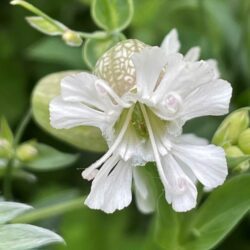
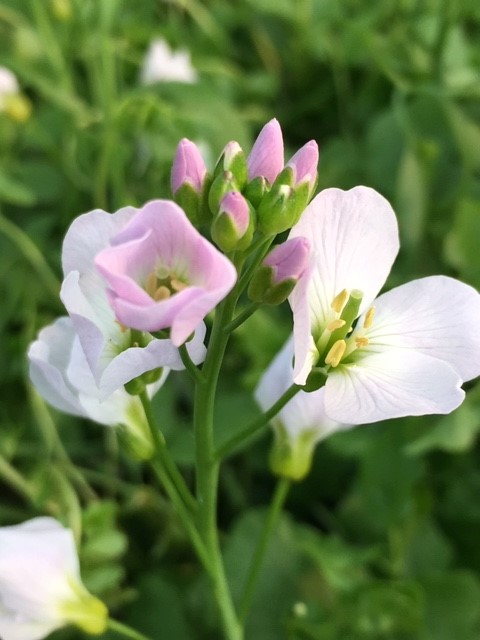
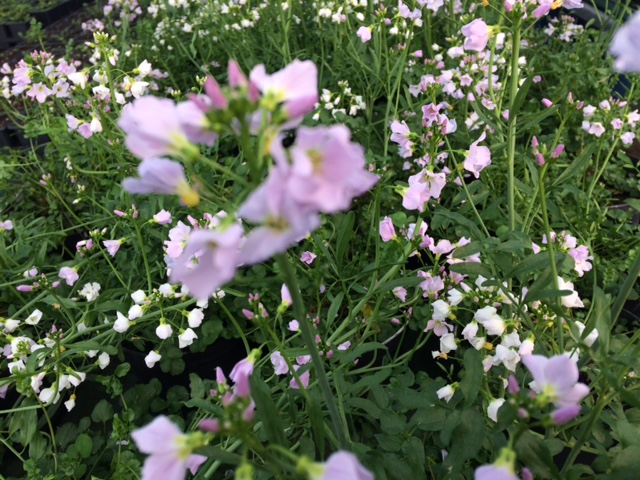
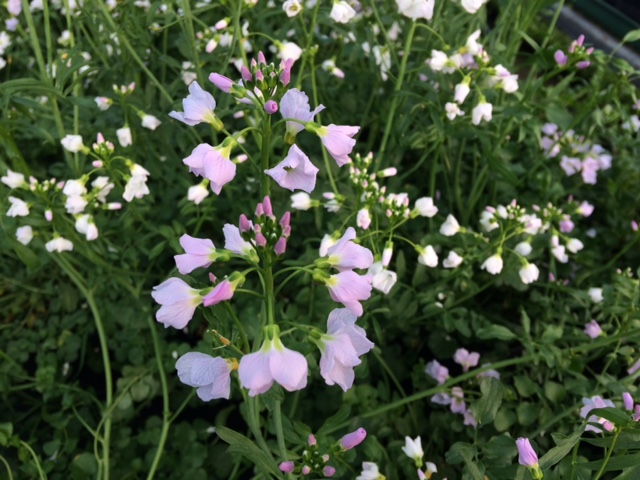
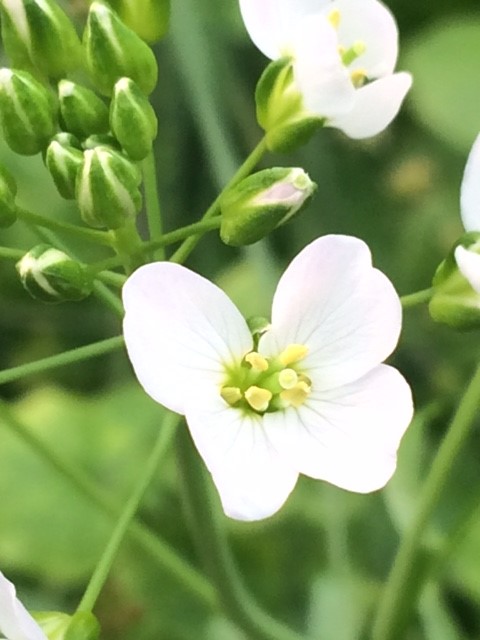
Often known as Lady’s smock Mayflower or Milkmaids. In Old English folklore it was said to be divine to fairies, and was bad fortune if taken indoors. It generally comes into bloom around the time the cuckoo starts to call, hence the name. As an edible food plant, young leaves or basal rosettes of the Cuckoo flower have a rather peppery taste and can be a useful substitute for cress in sandwiches and salads.
Cardamine Pratensis flowers in spring with pink or white coloured flowers. It thrives in moist soil such as marshy meadows and is a great flower for wildlife, producing nectar for bees, butterflies and other insects from early and late spring. This perennial plant has especially delicate flowers that sit on a leafy stem that can grow up to around a foot high.