
Description
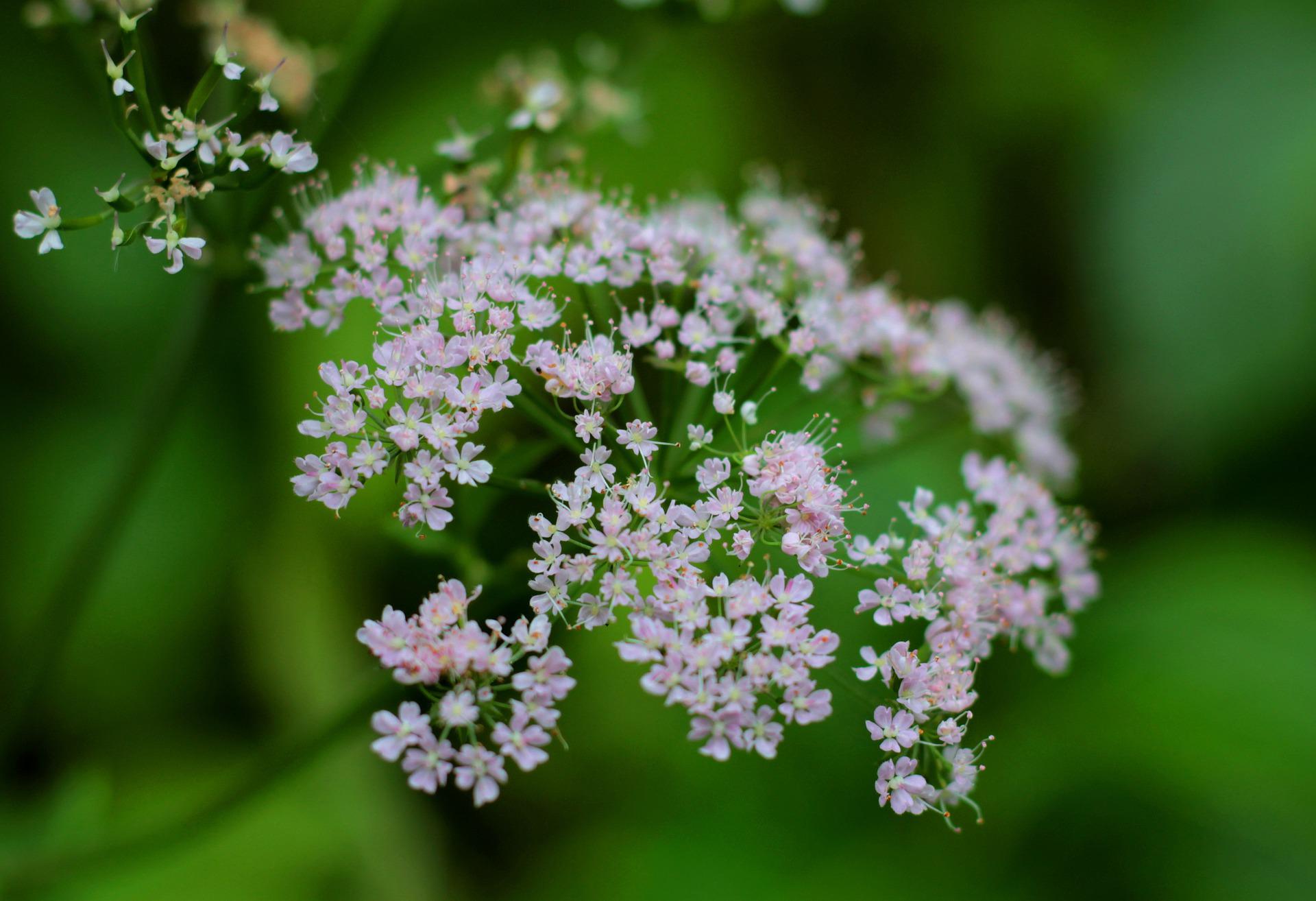
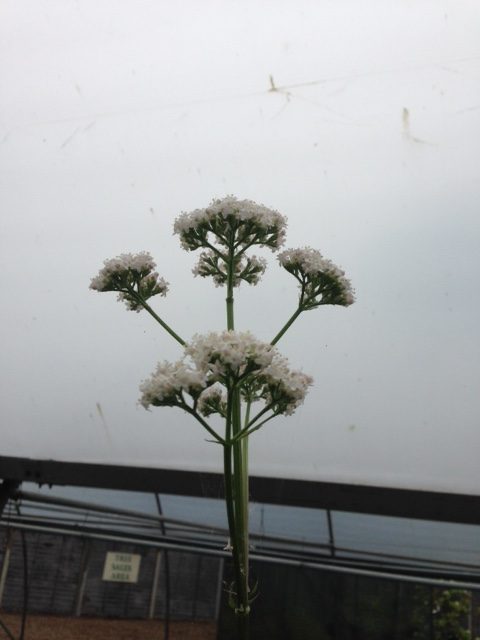
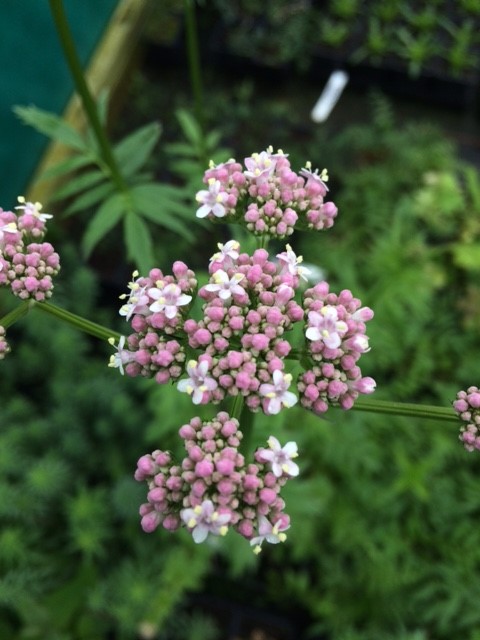
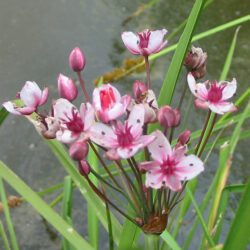
Common valerian (Valeriana officinalis) is a clump-forming, herbaceous perennial native to the UK, capable of reaching heights of up to 1.5 metres. It has bright green, aromatic foliage with basal and stem leaves made up of multiple leaflets. From early to late summer, fleshy upright stems are topped with rounded clusters of small pink or white flowers, which are highly attractive to pollinating insects.
This species is also known by several alternative names, including garden valerian, garden heliotrope (despite being unrelated to Heliotropium), setwall, and all-heal.
Historically, Valeriana officinalis has been used as a medicinal herb since ancient Greek and Roman times. Extracts from the valerian roots have mild sedative and anxiolytic effects and are still widely used in herbal medicine to support sleep and ease mild anxiety. Valerian was notably used during both World Wars as a treatment for stress-related conditions, including what is now recognised as PTSD (post-traumatic stress disorder).
How to Identify
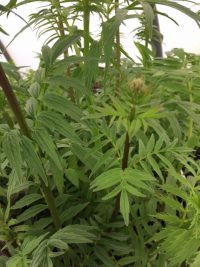
Common valerian has upright, hollow, fleshy stems with opposite, pinnate leaves composed of narrow leaflets. The foliage is strongly aromatic when crushed.
In summer, it produces dome-shaped flower heads made up of many small, sweetly scented flowers ranging from pale pink to white. These rounded clusters sit clearly above the foliage and are visible from a distance.
How to Grow
Valeriana officinalis grows best in moist, well-drained soil and thrives in damp meadows, riverbanks, ditches and garden borders. Garden valerian prefers full sun or partial shade and tolerates heavier soils better than many perennials.
Once established, common valerian is low maintenance and will self-seed readily in suitable conditions, making it well suited to wildlife gardens, naturalistic planting schemes and wet meadow habitats.