 My Account
 Basket

Description
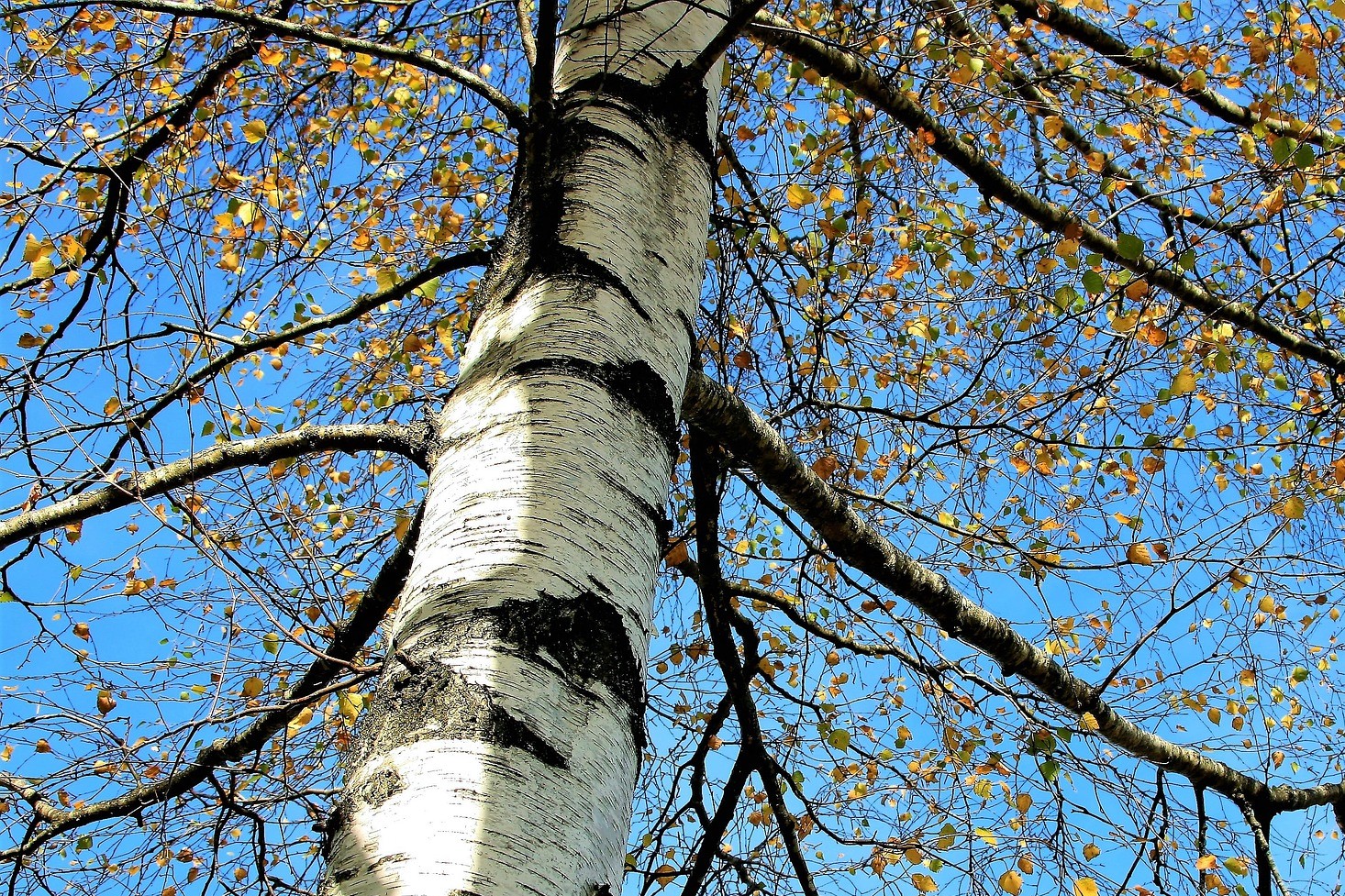
The silver birch is a medium-sized deciduous tree that owes its common name to the white peeling bark on the trunk
The tree supports a wide range of insects and the light shade it casts allows shrubby and other plants to grow beneath its canopy. It is planted decoratively in parks and gardens and is used for forest products such as joinery timber, firewood, tanning, racecourse jumps and brooms. Various parts of the tree are used in traditional medicine and the bark contains triterpenes which have been shown to have medicinal properties. It can also be used as a natural dye yellow for the leaves and the bark makes a brown or pink. It needs plenty of light and does best on dry, acid soils and is found on heath land, mountainsides and clinging to crags. Its tolerance to pollution make it suitable for planting in industrial areas and exposed sites