
Beech

Bareroot

Fagus sylvatica. Bareroot trees of between 60 and 80cm in height. UK Grown

Dispatched November-March 2025/2026

1 - 9
£3.10
inc. VAT
10+
£2.50
inc. VAT
Total: £ 0.00 inc. VAT

Latin Name: Fagus sylvatica

Common Name(s): Beech

Plant Type: Perennial

Habitat: Full Shade, Part Shade

Colour:

Green

Flowering Time:

March - May

SKU: NS-19 Categories: ,

Description

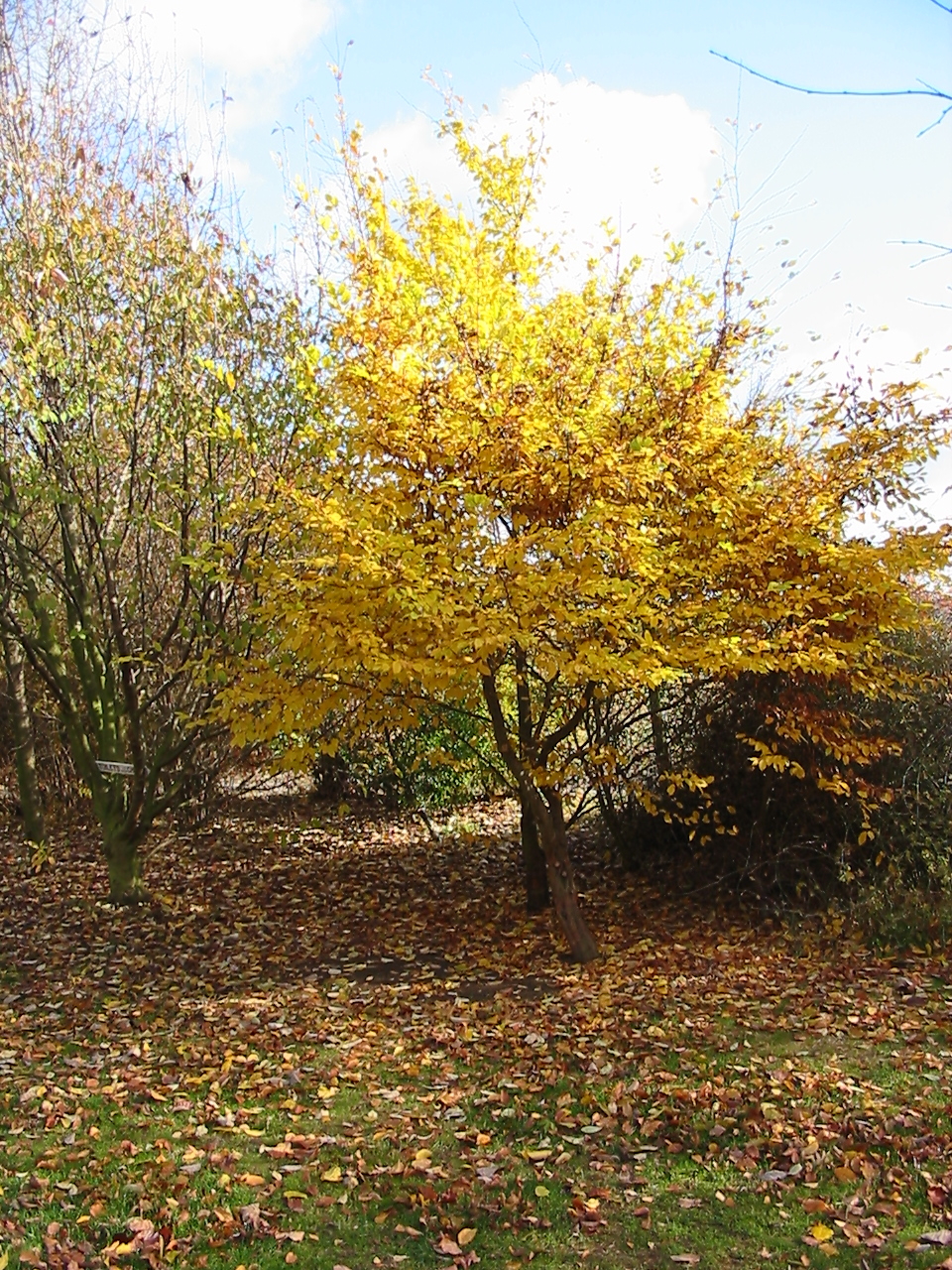
Common beech (Fagus sylvatica) is one of the UK’s most iconic native trees, widely found in woodlands and parks across southern England. Often described as the queen of British trees, beech can reach mature heights of up to 50 metres and is admired for its elegant form and seasonal interest.

Fagus sylvatica supports a wide range of wildlife. Its leaves feed the caterpillars of moths such as barred hook-tip, clay triple-lines, and olive crescent. Mice, voles, squirrels, and birds eat the nuts called beechmast. Mature beech woodland provides valuable habitat for butterflies. This is especially true in open glades and along woodland rides.

With a lifespan of around 200 years, beech wood has long been valued for furniture, tools and decorative items.

How to Identify

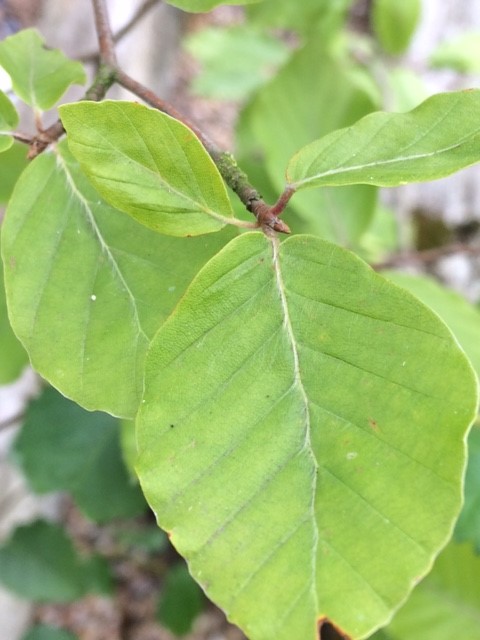
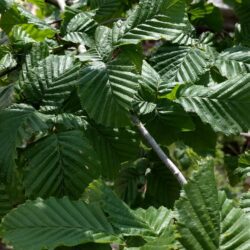
Beech trees have smooth, thin grey bark, often marked with fine horizontal lines. The leaf buds are long, narrow and reddish-brown, forming a distinctive criss-cross pattern along the twigs. The leaves initially emerge lime green with soft hairs, becoming darker and hairless as they mature.

Beech is monoecious, meaning male and female flowers appear on the same tree. In April and May, tassel-like male catkins hang from long stalks, while female flowers sit in pairs within a small cup. After wind pollination, this cup hardens to form a woody case containing one or two beech nuts.

How to Grow

Beech trees are best suited to grow in full sun or partial shade. Purple-leaved varieties develop their richest colour in full sun, while golden-leaved forms benefit from light shade to prevent leaf scorch.

Beech trees thrive best in free-draining soils, and planting in waterlogged ground should be avoided, as it can weaken roots and increase the risk of bark disease. Given the right setting, beech grows into a graceful and long-lived tree or hedge. It fits well into the landscape when placed thoughtfully and cared for patiently over time.

Additional information

Option

Habitat

,

Plant Type

Country of Origin

GB

Flowering Time

March, April, May

Colour