 My Account


Description
Species Information
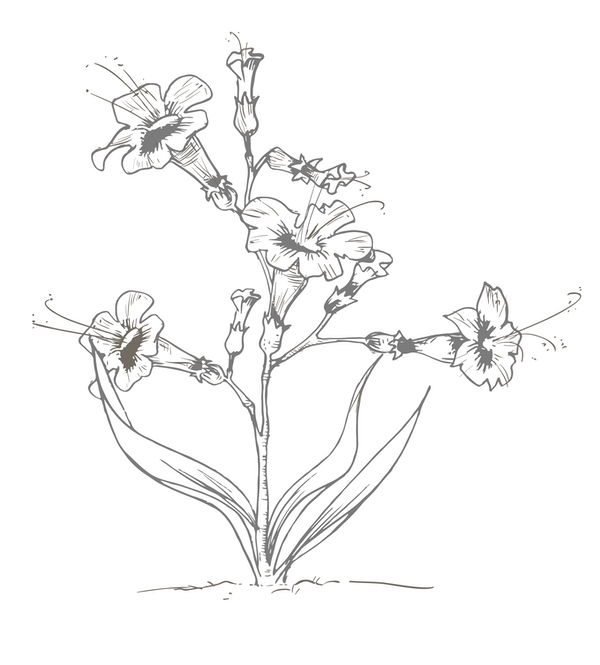
Harebell (Campanula rotundifolia) is a delicate native wildflower with nodding blue or violet flowers. Its other names include Lady’s Thimble, Witch’s Bells, and Witch’s Thimble. This hardy perennial can reach a height of up to 40 cm. It flowers from summer into autumn and attracts bees and other pollinating insects.
Harebell grows naturally in dry grassland, heathland, sand dunes, and rocky areas. It suits wildflower meadows, rock gardens, and wildlife-friendly borders. It grows especially well in sandy soils with few nutrients.
In Scotland, people sometimes refer to Harebell as a “Scottish Bluebell”.
How to Identify
Harebells have slender stems with delicate, bell-shaped flowers. Each flower usually has five joined petals, with colours ranging from pale blue to violet.
The plant has small, rounded leaves near the base, with the stem leaves being narrower and longer. Creeping roots help Harebell form small clumps over time.
How to Grow
Harebell grows best in full sun or partial shade. It prefers sandy, well-drained soil with few nutrients. Avoid rich soil and heavy feeding, as these can reduce flowering. Once established, Harebell requires little care and is suitable for rock gardens, gravel gardens, and wildflower meadows.
Water young plants while they establish, but avoid waterlogged soil. Established plants cope well with drier conditions. Pair Harebell with other wildflowers suited to dry grasslands, such as Birdsfoot Trefoil.