 My Account
 Basket



Description
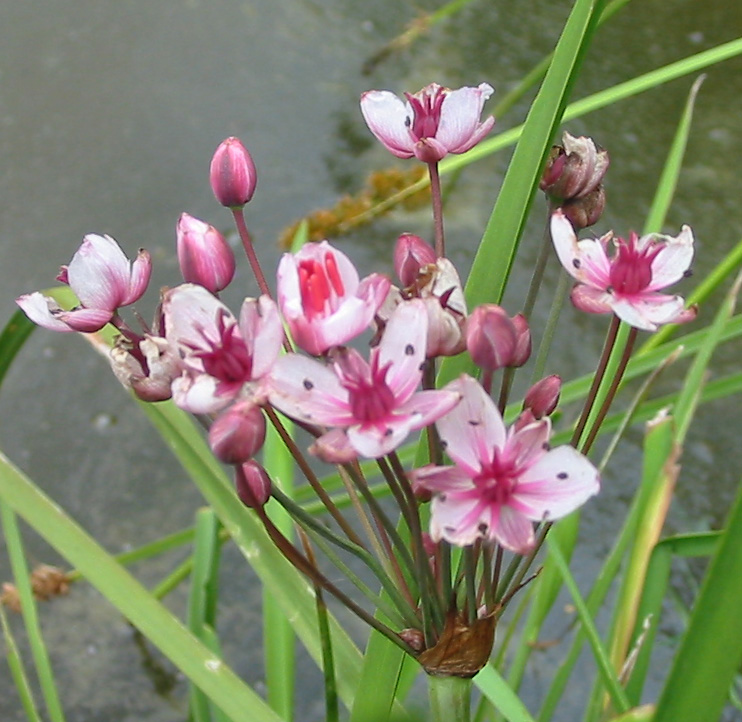
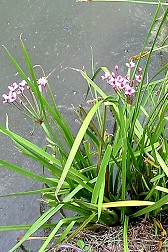
Flowering rush has also been known as the grass rush, They thrive in full sun and are categorised as shallow marginal plants, but will grow just as well in saturated ground or boggy conditions. Like many other marginal plants, Butomus Umbellatus is an ornamental plant and native water plant to the UK that are heavy nutrient feeders so are a good choice for planting into filtration beds and swimming ponds. It spreads by Rhizomes and will stop flowering if pot bound. The leaves and pink flowers will make a yellow dye.
Butomus umbellatus are marginal water plants that can grow well at water level or just below, at pond margin (a planting depth of 5cm to 45cm). This is considered an invasive plant species in North America, but is a native pond plant to the the UK.