
Field Rose

1.5L Pot, Bareroot

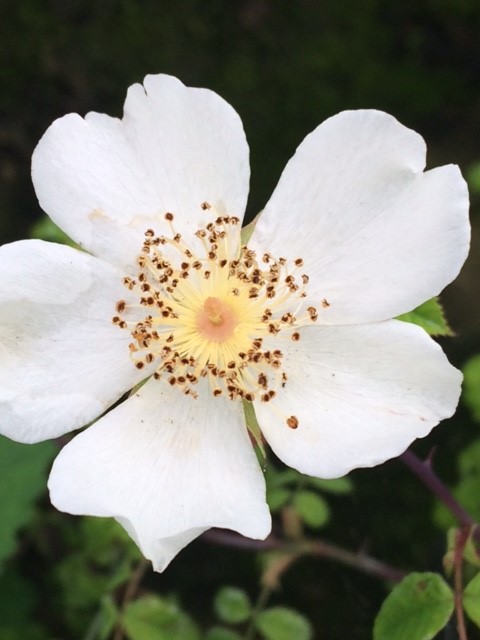
Rosa arvensis Looks fabulous when covered with the creamy-white flowers in July-August. Tolerates wide variety of soils and is only rose for consideration for semi-shady situation. Available all year round in pots, however planting between October and mid March is recommended.

Step 1: Select Product Option
Step 2: Enter Quantity
Total: £ 0.00 inc. VAT

Latin Name: Rosa arvensis

Common Name(s): Field Rose

Plant Type: Climber, Perennial

Colour:

Cream

Flowering Time:

June - August

SKU: NS-MAIN-3774 Categories: , ,

Description

Field rose is ideal for rambling through hedges or ground cover, Likes full sun and soil which is moist but well drained but will grow in most situations including shade and most soil types, its also tolerant to salt spray and drought conditions.

If using in a hedge: All species in a wildlife hedge can be cut back or “Coppiced” without harm. In the 1st year after establishment the hedge can be cut back to stimulate growth of the hedge from the base thereafter cut every 2-3 years. If the weather is unsuitable for planting or receiving the hedging, dig a hole and bury the roots of the bunched plants, they can be held like that till planting. After planting it is advantageous to mulch the hedge with lawn mowing or leaf mould to suppress weeds and also be done with plastic or carpet cuts and covered with soil
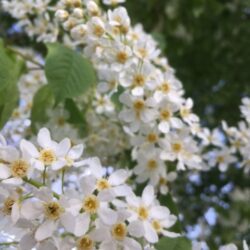
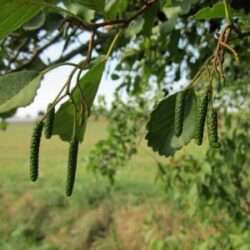
Field Rose (Rosa arvensis) is a vigorous, thorny native shrub, ideal for rambling through hedges or spreading as natural ground cover. It’s commonly found along woodland margins, hedgerows, wildlife gardens and informal borders, where it weaves through surrounding plants and softens the landscape with its simple white flowers.

Field rose is fast-growing with long, arching stems and differs from Dog Rose (Rosa canina) by its pure white flowers, which feature a striking cluster of golden stamens. It also produces more rounded rose hips, making it easy to identify when in fruit.

Rosa arvensis provides an important food source for pollinating insects, as well as birds and small mammals, supporting biodiversity throughout the year.

How to Identify

Field rose has trailing, arching stems covered in sharp thorns, allowing it to scramble naturally through hedges and low shrubs. In summer, it produces delicate white flowers, followed by rounded rose hips later in the season. Its loose, rambling habit makes it particularly well suited to informal planting schemes and wildlife hedges.

How to Grow

Field rose grows best in full sun in moist but well-drained soil, particularly in moderately fertile, humus-rich conditions. However, it is highly adaptable and will also grow in partial shade, most soil types, and exposed sites. It is tolerant of salt spray and drought, making it suitable for coastal and challenging locations.

When used in a hedge, field rose can be cut back or coppiced without harm. In the first year after establishment, cut back to encourage strong growth from the base, then trim every 2–3 years thereafter. If planting is delayed, temporarily heel in plants by burying the roots in soil. After planting, mulch with lawn mowings or leaf mould to suppress weeds and retain moisture.

Additional information

Option

,

Plant Type

,

Country of Origin

GB

Flowering Time

June, July, August

Colour