 My Account
 Basket

Description
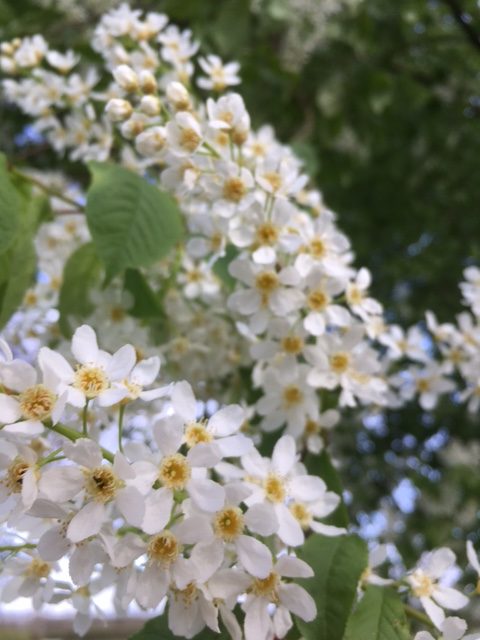
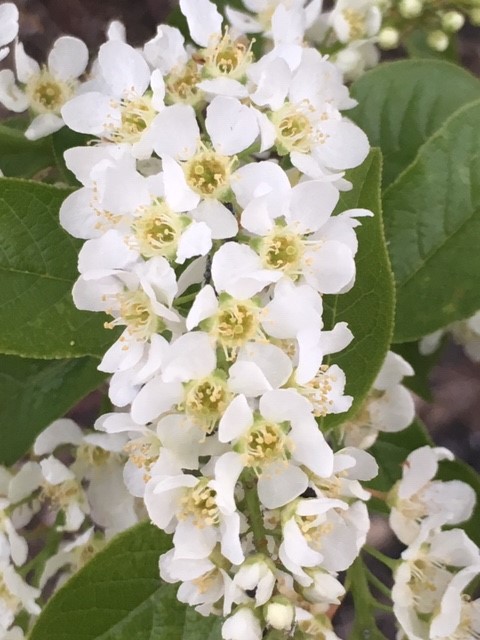
Prunus padus, known as bird cherry, hackberry, hagberry, or Mayday tree, is a species of cherry in some parts of Yorkshire it is called ‘wild lilac’ due to its spikes of white flowers in spring. It is a deciduous small tree or large shrub, 8–16 m tall, Like wild cherry, the spring flowers provide an early source of nectar and pollen for bees, while the cherries are eaten by birds including the blackbird and song thrush, as well as mammals such as the badger, wood mouse. If placed at the door, the strong-smelling bark of the tree was said to ward off the plague.
Prunus Padus is an attractive flowering tree that blooms in late spring with beautiful white scented flowers. Green leaves turn yellow in autumn – providing interest all year round.
If using in as hedge: All species in a wildlife hedge can be cut back or “Coppiced” without harm. In the 1st year after establishment the hedge can be cut back to stimulate growth of the hedge from the base thereafter cut every 2-3 years. If the weather is unsuitable for planting or receiving the hedging, dig a hole and bury the roots of the bunched plants, they can be held like that till planting. After planting it is advantageous to mulch the hedge with lawn mowing or leaf mould to suppress weeds and also be done with plastic or carpet cuts and covered with soil.