
Cotton Grass

9cm Pot, Bareroot

Eriophorum angustifolium. A low growing perennial grass. Cotton like heads on long stalks Found on swamps/bogs in acid soils.

Step 1: Select Product Option
Step 2: Enter Quantity
Total: £ 0.00 inc. VAT

Latin Name: Eriophorum angustifolium

Common Name(s): Cotton Grass, Bog Cotton, Common Cotton Grass

Plant Type: Perennial

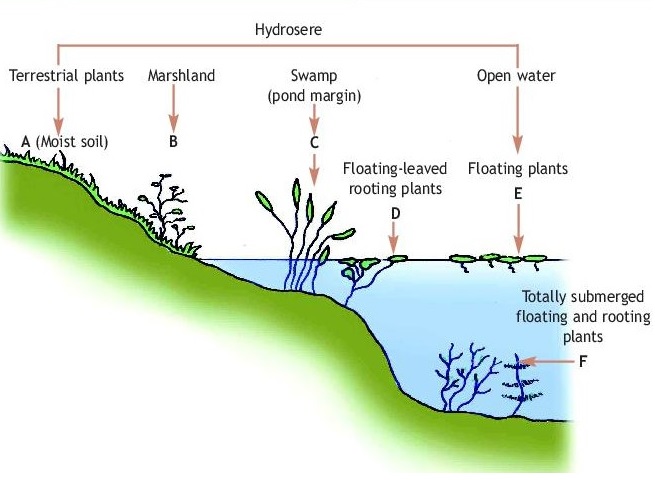
Habitat: Marshland - Zone B

Colour:

White

Height:

15-60cm

Flowering Time:

April - June

SKU: NS-MAIN-4340 Categories: ,

Description

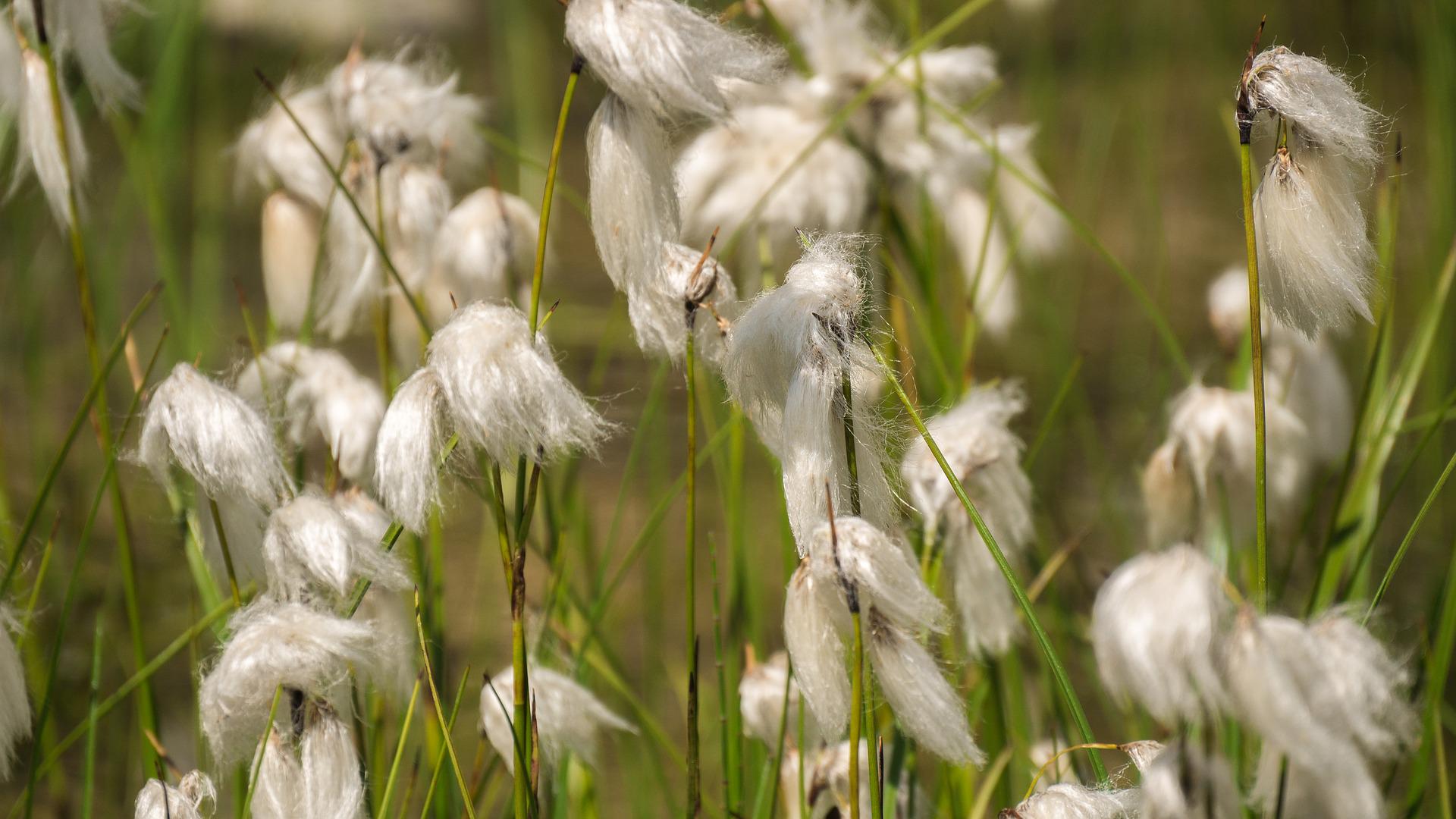
Common cotton grass (Eriophorum angustifolium), also known as bog cotton, is a familiar UK native wetland plant found across moorlands, heaths, and open bogs. It is best known for its distinctive white, cotton-like seed heads, which appear in early summer and give wetland landscapes their characteristic soft texture.

Flowering begins in April to May, with small, inconspicuous brown-green flowers. After fertilisation, these develop into bright white, bristle-like seed heads that sit atop slender stems. Because of its tolerance of wet, acidic conditions, cotton grass is well suited to bog gardens, pond margins and naturalistic wet meadows.

Despite its name, cotton grass is a member of the sedge family, native to Europe and North America, so it’s not technically a grass at all.

How to Identify

Cotton grass has long, upright stems that grow in loose clumps from the base. In summer, each stem is topped with one or more white, fluffy seed heads, resembling tufts of cotton wool.
Before seeding, the flowers are small and understated, making the plant most recognisable once the seed heads have fully developed.

How to Grow

Eriophorum angustifolium thrives in wet, peaty, acidic soils and prefers permanently moist or waterlogged ground. It grows best when planted as a marginal plant in full sun in open wetland conditions, including bog gardens, damp meadows, and shallow water at pond margins.

When planted as a marginal pond plant, it performs well in shallow water and requires very little maintenance once established. Its clump-forming habit and seasonal interest make it an excellent choice for wildlife-friendly and low-intervention planting schemes.

Additional information

Option

,

Plant Type

Colour

Habitat