 My Account
 Basket



Description
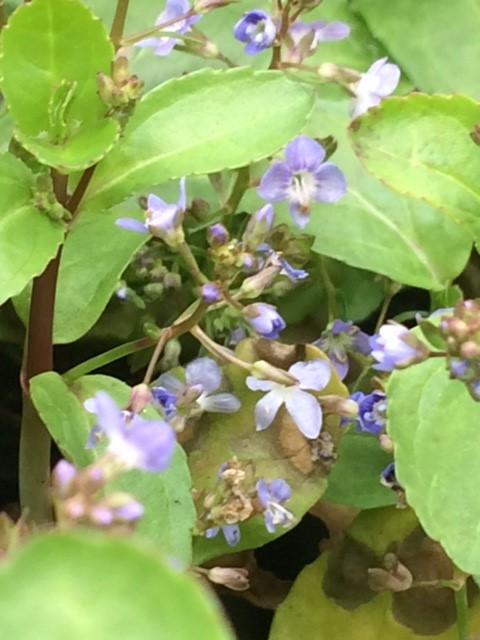
Can also be called European Speedwell, Found mainly in slow moving water, shallow water, ditches and permanently grassy wet places. This fast-growing British native species is useful as an edging plant, producing glossy green trailing foliage and tiny blue flowers all summer long. The waxy leaves are evergreen and last through into the winter, surviving frosts and ice and making it one of the few native plants to give winter interest to the pond. Brooklime was one of three traditional antiscorbutic herbs, used in purported remedies for scurvy. However none of those herbs were rich in vitamin C and the usual preparation by extracting of juices would have destroyed most of their content, rendering the preparations ineffectual against true scurvy.
Veronica Beccabunga is a marginal plant that prefers aquatic soils in sunny or partial shade. An evergreen plant that can provide interest and protection for wildlife all year round including tadpoles and sticklebacks. Flowing from late spring to late summer.