
Description
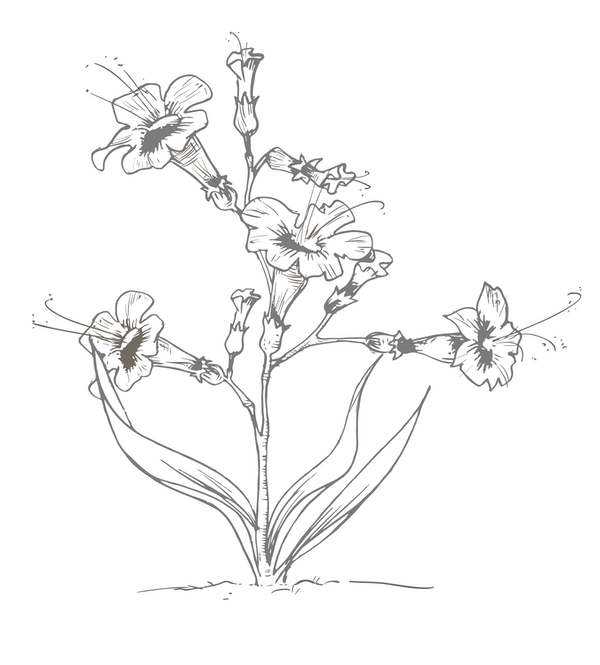
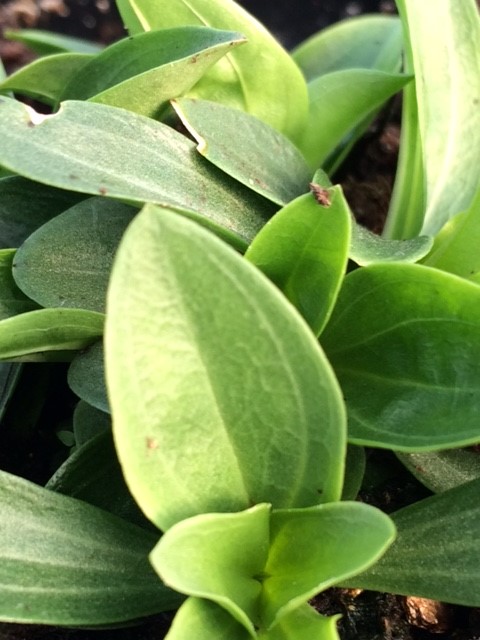
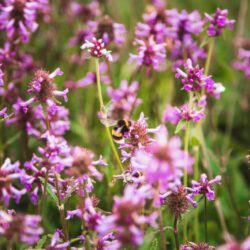
Known by the common names common Centaury and European Centaury. This is an erect biennial herb which reaches half a meter in height. It grows from a small basal rosette and bolts a leafy, erect stem which may branch. The European centaury is used as a medical herb in many parts of Europe. The herb, mainly prepared as tea, is thought to possess medical properties beneficial for patients with gastric and liver diseases.
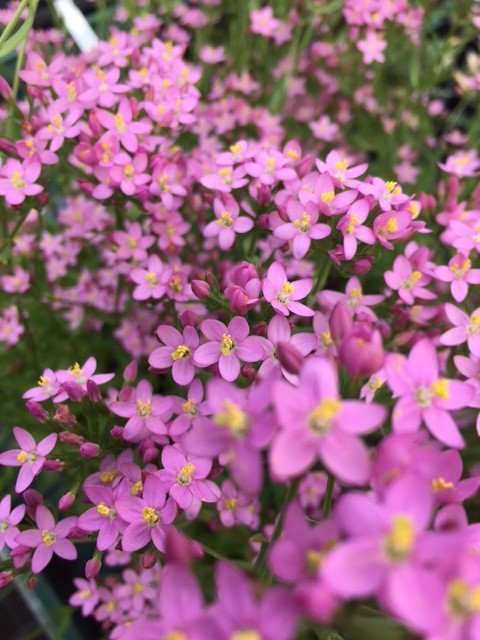
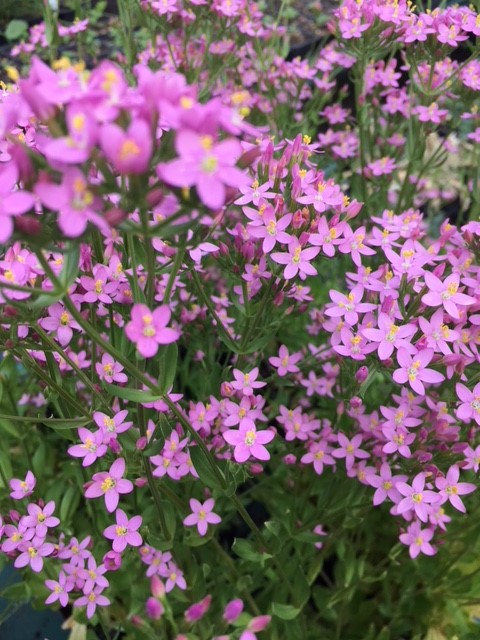
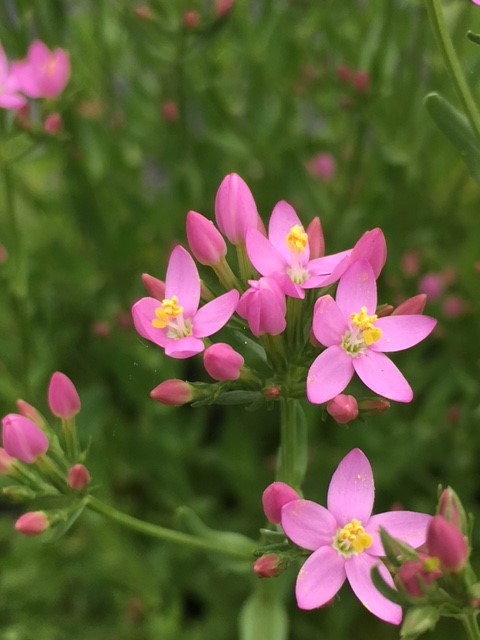
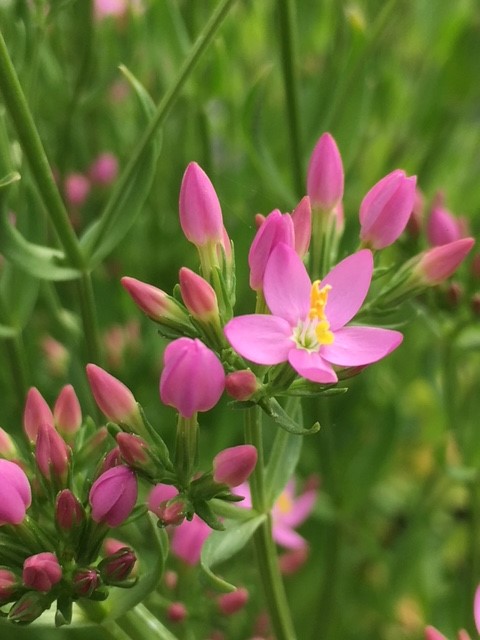
Common centaury (Centaurium erythraea) is a delicate, low-growing biennial herb that begins life as a small basal rosette before sending up an upright, leafy stem. This stem may branch towards the top, carrying clusters of attractive star-shaped flowers. Also known as European centaury, it is a familiar wildflower across much of the UK.
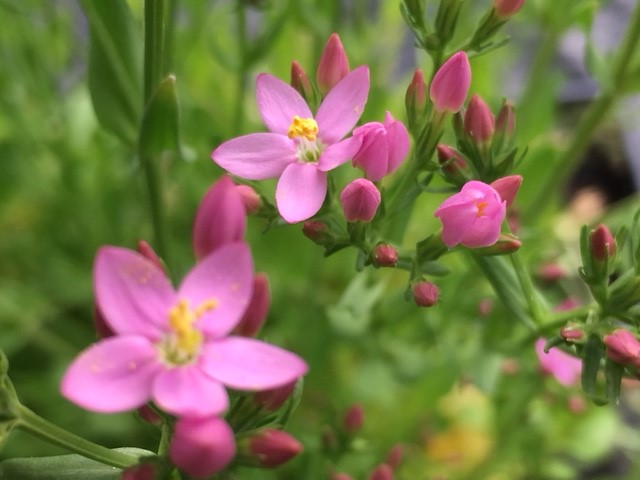
This charming plant is most often found in dry, open habitats such as sand dunes, heaths, woodland margins, quarries, and grassy habitats. It thrives on well-drained, nutrient-poor soils where many other plants struggle to grow. Flowering from June to September, common centaury produces small pink flowers which, like other members of the gentian family, typically close in the afternoon or during dull weather.
Centaurium erythraea has a long history of having medicinal benefits. Traditionally, it was valued for helping to reduce fevers and was believed to support digestive health, particularly in treating gastric and liver diseases. Although mainly appreciated today for its beauty in the wild, it remains an important plant in herbal folklore.
How to Identify
This low-growing plant forms a neat rosette of pointed oval leaves close to the ground in its first year. In the second year, it produces an erect stem up to around 30cm tall. The flowers are small, vivid pink, and star-shaped with five-petalled flowers, appearing in tight clusters at the top of the stems. The leaves are smooth, narrow, and arranged in opposite pairs along the stem.
How to Grow
Centaurium erythraea grows best in full sun and light, free-draining soils such as sandy or chalky ground. Seeds can be sown directly outdoors in spring or early autumn onto bare, prepared soil. It requires very little maintenance once established and is ideal for wildlife gardens, wildflower meadows, and naturalised areas, where it can attract a variety of pollinating insects.