 My Account
 Basket

Description
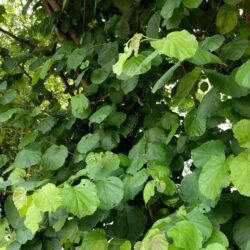
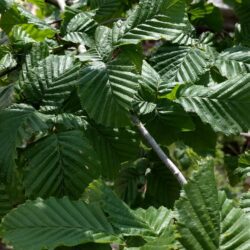
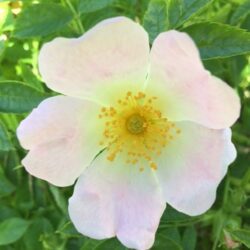
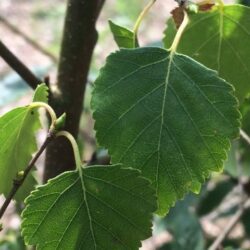
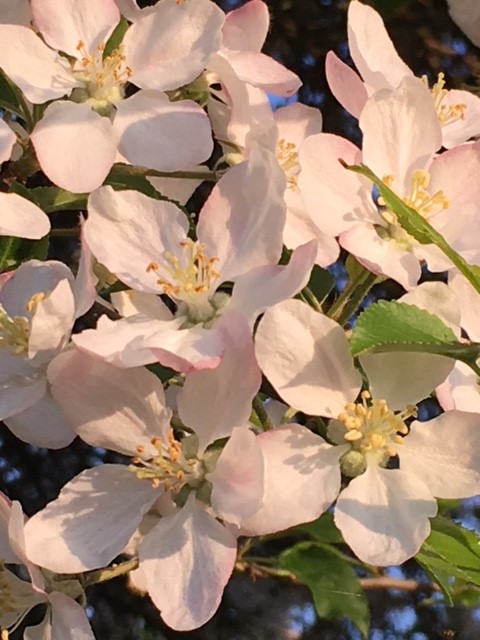
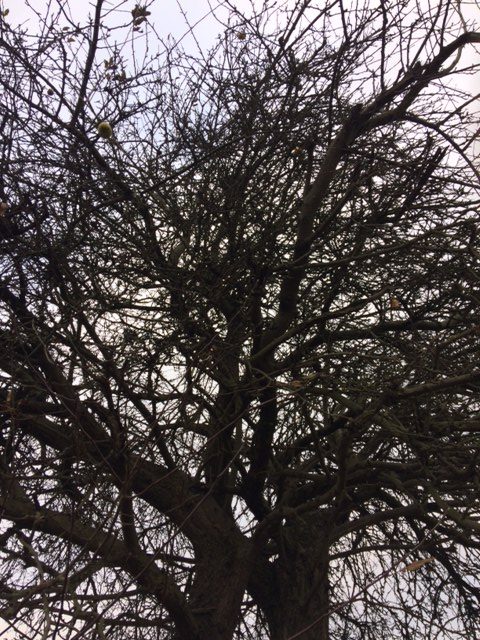
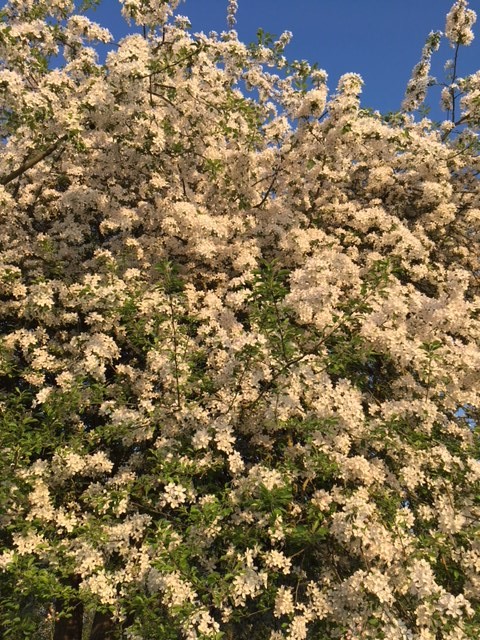
Wild apple has an expanded crown and often appear more like a bush than a tree. It can live 80–100 years and grow up to 10 m tall with trunk diameters of 23–45 cm. wild apple exist mostly at the wet edge of forests, in farmland hedges or on very extreme, marginal sites
If using in as hedge: All species in a wildlife hedge can be cut back or “Coppiced” without harm. In the 1st year after establishment the hedge can be cut back to stimulate growth of the hedge from the base thereafter cut every 2-3 years. If the weather is unsuitable for planting or receiving the hedging, dig a hole and bury the roots of the bunched plants, they can be held like that till planting. After planting it is advantageous to mulch the hedge with lawn mowing or leaf mould to suppress weeds and also be done with plastic or carpet cuts and covered with soil.