
Home | Shop | Wildflowers | Wildflower Bulbs | Winter Aconite

Winter Aconite

Bulbs - Autumn Planting, Bulbs - Spring Planting

Eranthis cilicica Glossy leaves and yellow chalice-shaped flowers will carpet woodland

Step 1: Select Product Option
Step 2: Enter Quantity
Total: £ 0.00 inc. VAT

Latin Name: Eranthis cilicica

Common Name(s): Winter Aconite

Plant Type: Perennial

Habitat: Woodland

Colour:

Yellow

Height:

5-10cm

Flowering Time:

January - May

SKU: NS-MAIN-3541 Categories: ,

Description

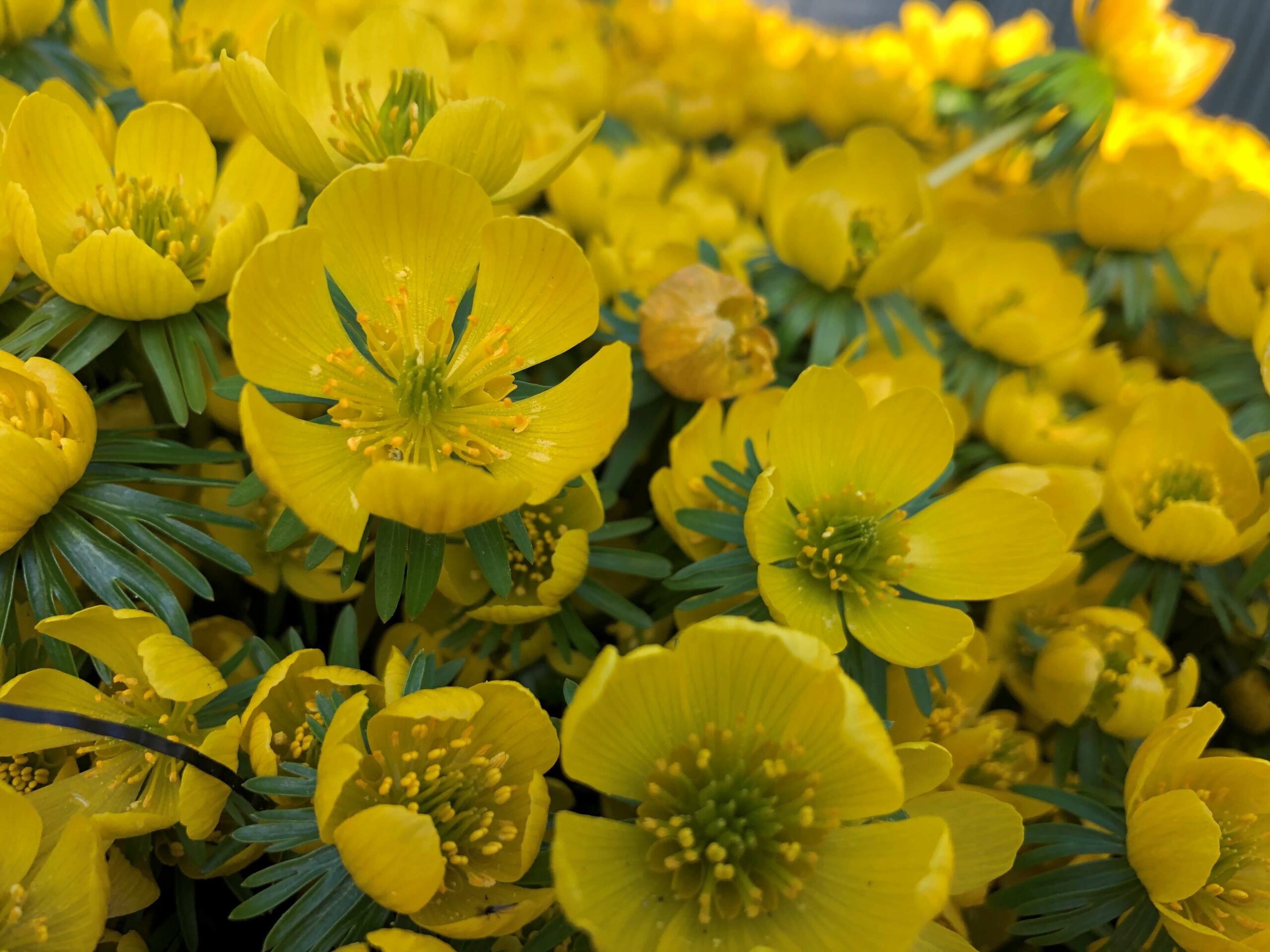
Winter aconite (Eranthis hyemalis) is an early-flowering plant that brings bright colour to the garden at the very start of the year. From late January into February, clusters of cheerful golden-yellow flowers appear above lush green leaves, creating a beautiful natural display. As a tuberous herbaceous perennial from the buttercup family, winter aconites are perfect for signalling the seasonal transitions from winter into spring.

How to Identify

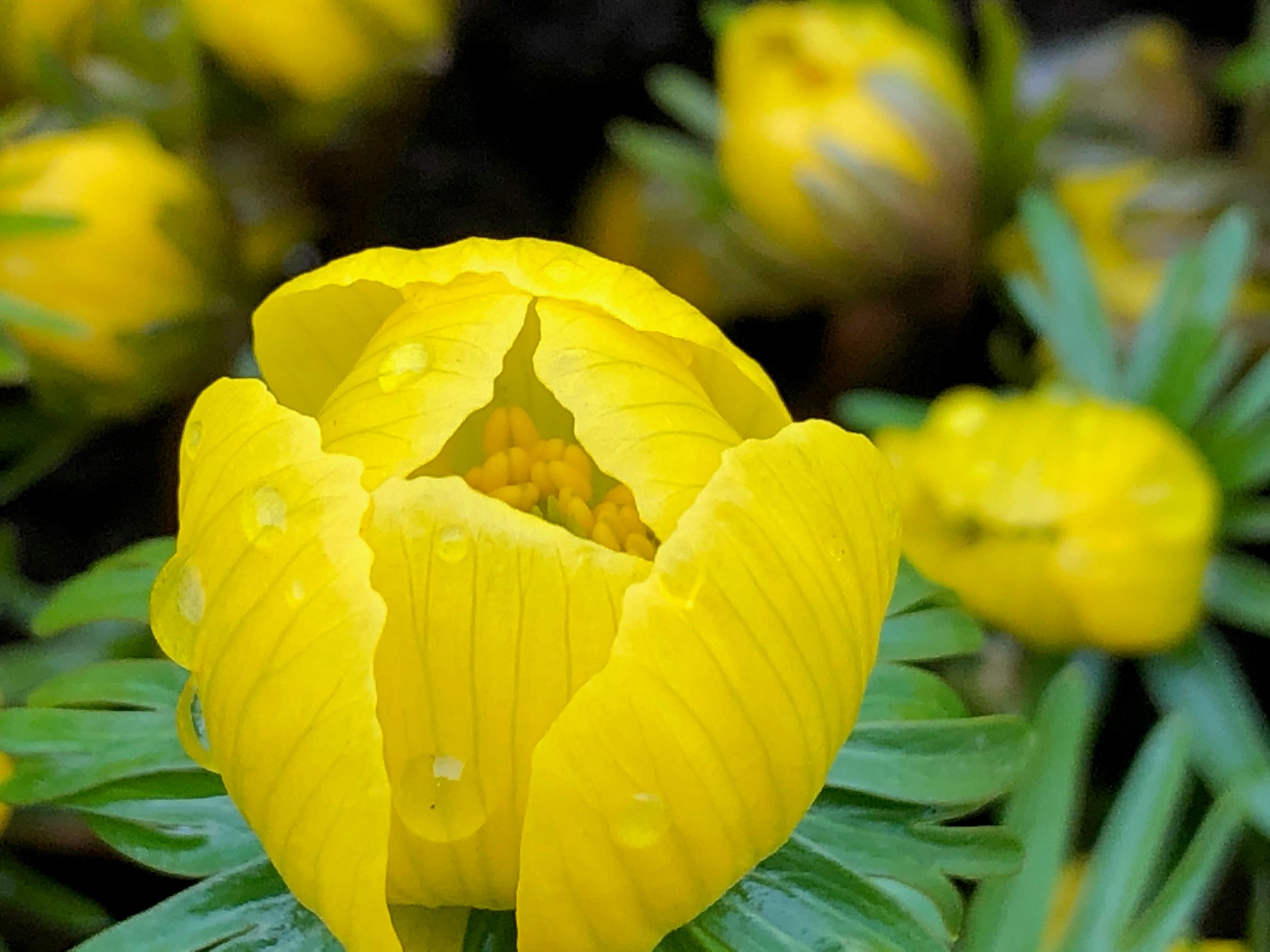
Low-growing and compact, winter aconite produces yellow chalice-shaped flowers surrounded by fresh green leaves. The flowers sit close to the ground and gradually spread to form vibrant carpets, especially in dappled shade beneath trees or shrubs. Their neat, glossy foliage and bright colour make them easy to recognise in late winter. Winter aconite is a valuable early nectar source for pollinating insects, including bees and other beneficial insects emerging in late winter, when few other flowers are available.

Growing Guide

Winter aconites thrive in humus-rich, moderately fertile soil that is moist but well-drained. They tolerate most soil types but grow best in alkaline soils. Plant tubers in autumn or early spring in full sun, partial shade, or full shade, ideally beneath a deciduous woodland canopy. Enriching the soil with garden compost before planting will help encourage strong growth.

Plant tubers around 5cm deep and 5cm apart, soaking them in water beforehand to help establishment. Once settled, they require little maintenance and will develop over time, making them ideal for borders, wildlife gardens, and naturalised areas.

Important: All parts of winter aconite are poisonous if eaten by humans or pets, so it should be planted with care in gardens used by children or animals.


PDF: Planting Instructions Here


Additional information

Option

,

Colour

Habitat

Plant Type