 My Account
 Basket



Description
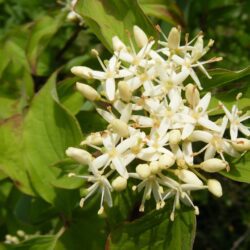
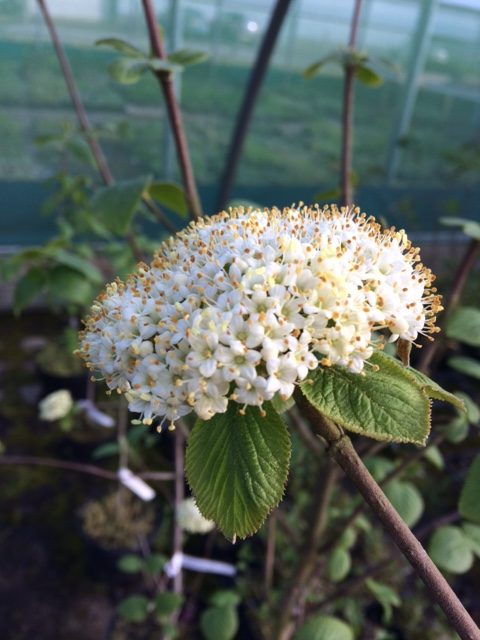
An old name for this tree is Hoarwithy, Hoar” means grey-haired and refers to the hairs under the leaves, and “withy” means a pliant stem. It is a deciduous shrub or small tree growing to 4–5 m tall. Will grow it most soil types but does like Alkaline soils. White flowers in spring smelling mildly of Lilly and Red berries in the autumn that will ripen to black though the berries are attractive to bird and mammals they are slightly toxic to humans if eaten.
If using in as hedge: All species in a wildlife hedge can be cut back or “Coppiced” without harm. In the 1st year after establishment the hedge can be cut back to stimulate growth of the hedge from the base thereafter cut every 2-3 years. If the weather is unsuitable for planting or receiving the hedging, dig a hole and bury the roots of the bunched plants, they can be held like that till planting. After planting it is advantageous to mulch the hedge with lawn mowing or leaf mould to suppress weeds and also be done with plastic or carpet cuts and covered with soil.