 My Account
 Basket
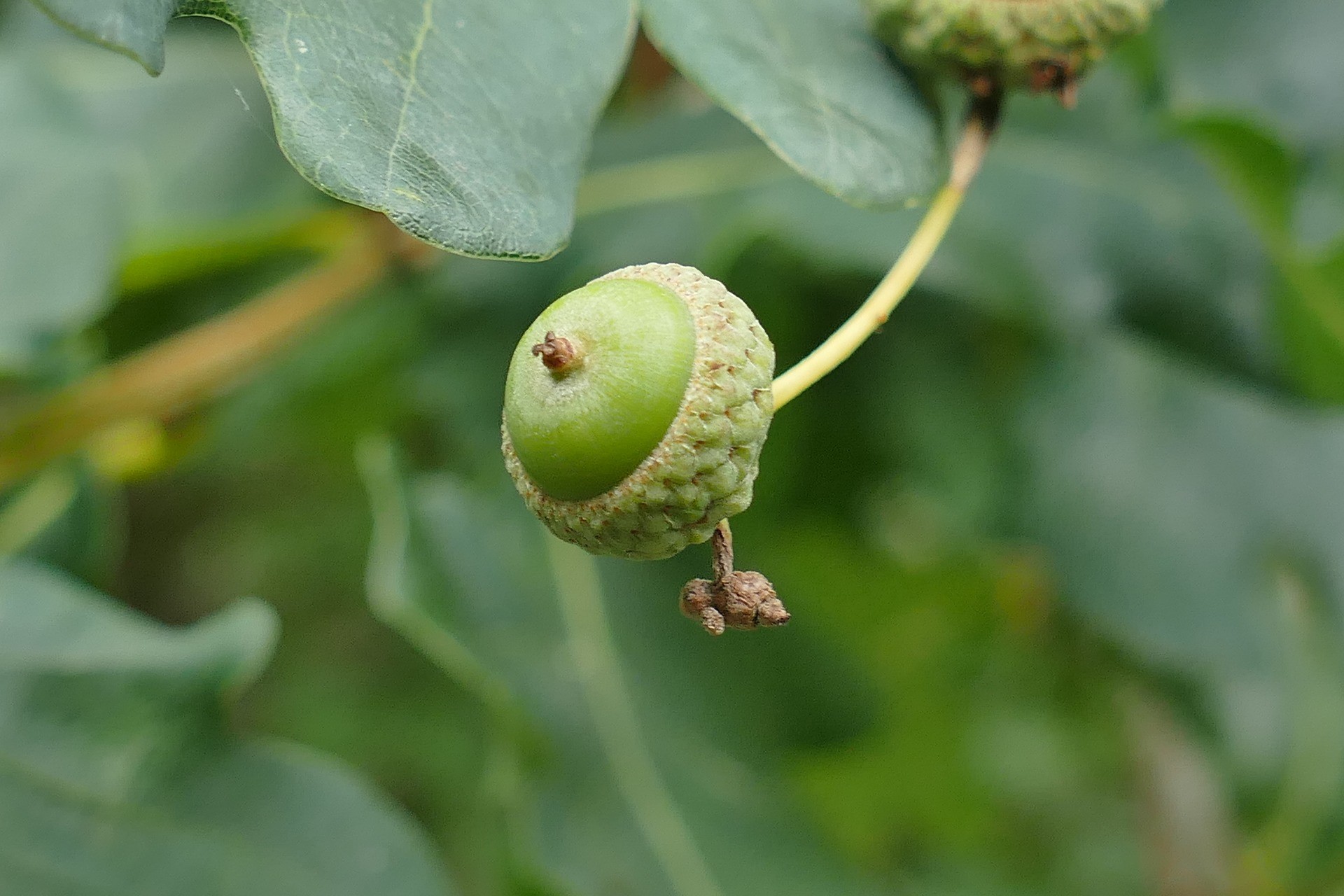
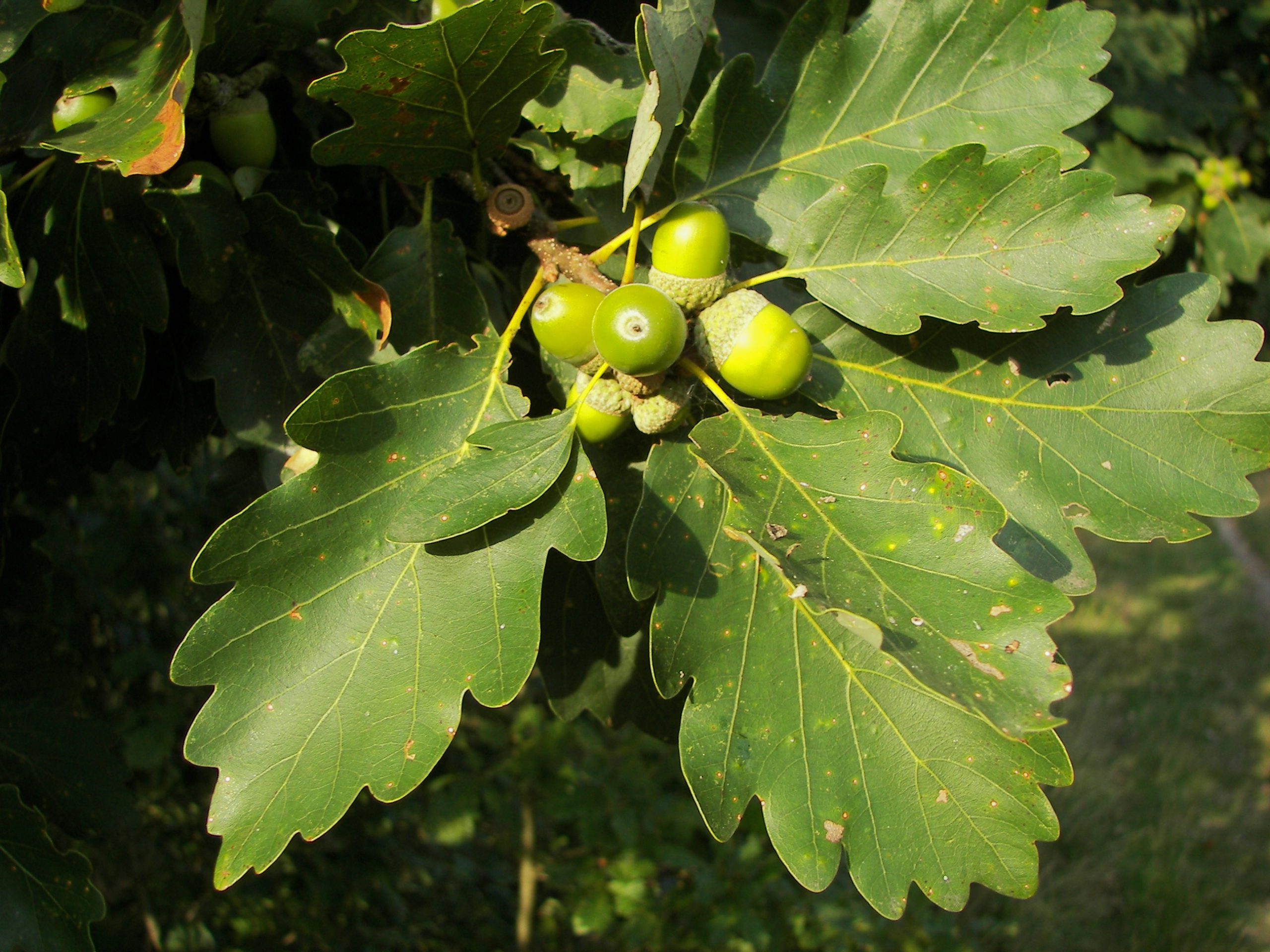

Description
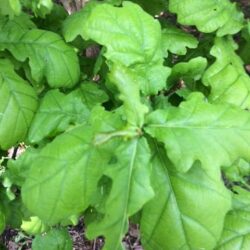
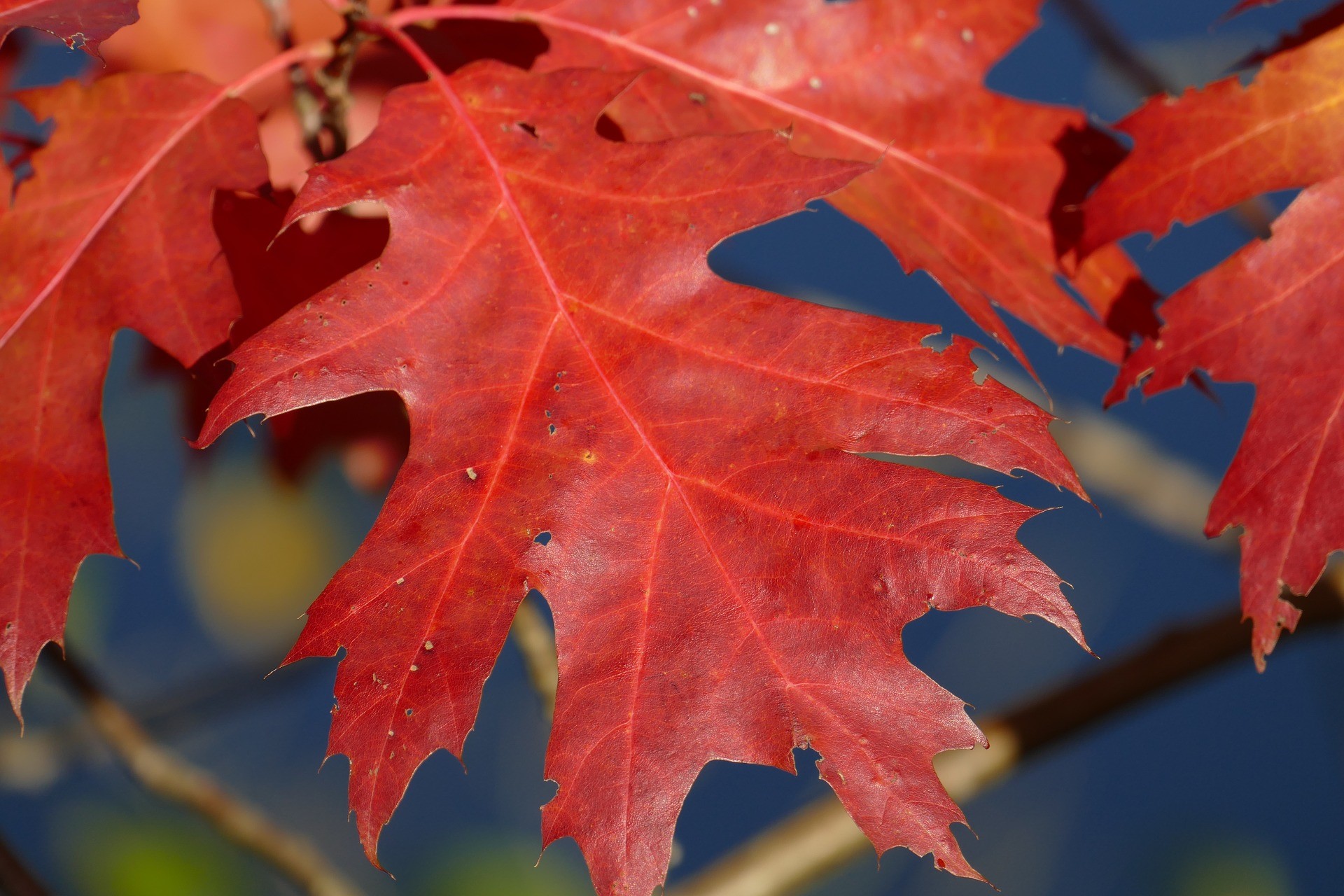
The sessile oak quercus petraea is a large deciduous tree up to 20–40 m (66–131 ft) tall. Quercus petraea oak trees can be found in upland areas over 300 m (984 ft) with higher rainfall and shallow, acidic, sandy soils. Common names also include Cornish Oak or Durmast Oak.
Sessile oak is one of the most important species in Europe both economically and ecologically. Oak timber is traditionally used for building, ships and furniture. Today the best woods are used for quality cabinetmaking, veneers and barrel staves. Rougher material is used for fencing, roof beams and specialist building work. It is also a good fuel wood. During autumns with good acorn crops (the mast years) animals are traditionally grazed under the trees to fatten them.
If using as a hedge: Quercus petraea hedge can be cut back or “Coppiced” without harm. In the 1st year after establishment the hedge can be cut back to stimulate growth of the hedge from the base thereafter cut every 2-3 years. If the weather is unsuitable for planting or receiving the hedging, dig a hole and bury the roots of the bunched plants, they can be held like that till planting. After planting it is advantageous to mulch the hedge with lawn mowing or leaf mould to suppress weeds and also be done with plastic or carpet cuts and covered with soil.